Emil Kraepelin: The Pioneer of Modern Psychiatry
Published: July 15, 2025 | Event Date: February 15, 1856
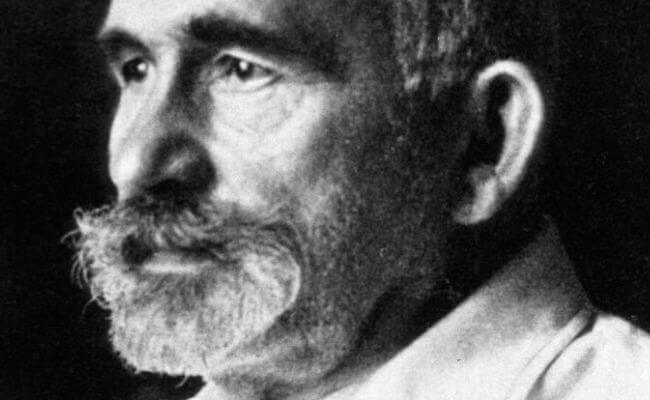
Image Source: Wikimedia Commons
Quick Facts
| Title | Emil Kraepelin |
|---|---|
| Born | February 15, 1856, Neustrelitz, Germany |
| Died | October 7, 1926, Munich, Germany (aged 70) |
| Nationality | German |
| Alma Mater | Leipzig University, University of Würzburg, Ludwig Maximilian University of Munich |
| Known For | Classification of mental disorders, Kraepelinian dichotomy, modern scientific psychiatry, psychopharmacology, psychiatric genetics |
| Fields | Psychiatry |
| Institutions | Leipzig University, Imperial University of Dorpat, University of Heidelberg, Ludwig Maximilian University of Munich |
| Doctoral Advisor | Wilhelm Wundt |
Overview
Emil Kraepelin was a prominent German psychiatrist who lived from 1856 to 1926. He is widely regarded as the founder of modern scientific psychiatry, psychopharmacology, and psychiatric genetics. Kraepelin's most significant contribution was his systematic classification of mental disorders, which greatly influenced subsequent diagnostic systems, including the Diagnostic and Statistical Manual of Mental Disorders (DSM) used today.
He introduced the crucial distinction between what he termed "dementia praecox" (now known as schizophrenia) and manic-depressive psychosis (now bipolar disorder). Kraepelin believed that mental illnesses had a biological and genetic basis, categorizing disorders into exogenous (caused by external conditions, treatable) and endogenous (biological causes, often regarded as incurable at the time). His meticulous clinical observations and longitudinal studies emphasized the importance of observing the course of illness to define specific disease entities.
Conclusion
Kraepelin's work laid the foundational groundwork for the scientific study and classification of mental illness. Despite later psychodynamic influences, his emphasis on biological causes and the detailed categorization of disorders has had a lasting impact on psychiatric diagnosis and research. He pioneered psychopharmacological research and advocated for humane treatment within asylums, cementing his legacy as a pivotal figure in the history of psychiatry.
Part of the thisDay. historical blog archive