
Short answer
EventChernobyl Nuclear Disaster
DateApril 26, 1986
LocationChernobyl, Ukraine, Soviet Union
Key FigureAnatoli Dyatlov
SignificanceWorst nuclear power plant accident in history
LegacyMajor changes in nuclear safety regulations
People in this story
Anatoli Dyatlov

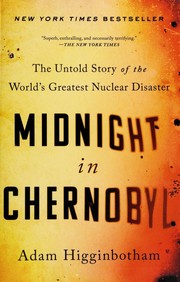
Want to read more?
If you want to explore this topic further, we recommend searching for books on eBay or browsing free digital editions at Open Library.
If you want to explore this topic further, we recommend searching for books on eBay or browsing free digital editions at Open Library.

Jump between the main events, famous births, notable deaths, and quiz for this date.



Eyewitness Accounts

via Wikimedia
Anatoli Dyatlov, the shift supervisor in charge of the safety test, later wrote a detailed memoir of the events leading up to the disaster, including the test's goal - to determine how long the turbines would keep spinning in the event of a power loss to the main cooling pumps, and the series of errors and miscommunications that ultimately led to the steam explosion that ruptured the reactor vessel, providing a unique insight into the disaster's causes, including design flaws and safety procedure violations.
The official investigation, conducted by the Soviet government, blamed the operators for violating safety procedures, but many experts dispute this, arguing that design flaws and inadequate training were more significant factors, and that the operators weren't equipped to deal with the situation, highlighting the complexity of the disaster and the need for a more nuanced understanding of its causes.
Aftermath
In the days following the disaster, the Soviet government evacuated the nearby city of Pripyat, established an exclusion zone around the plant, and deployed 'liquidators' to clean up the site and contain the damage, but it wasn't until radiation levels rose in other parts of Europe that the disaster's full extent became clear, prompting international action to mitigate its effects, with countries like Sweden and Norway reporting increased radiation levels as early as April 27, 1986.
The disaster led to major changes in nuclear safety regulations, with new protocols and procedures established in the Soviet Union and around the world, and a significant increase in public awareness and concern about nuclear safety, as people questioned the safety of nuclear power and the risks associated with it, leading to a decline in nuclear power's use and a shift towards other forms of energy production, like wind and solar power, which are seen as safer and more sustainable.
Legacy

The Chernobyl disaster, which occurred on April 26, 1986, had a devastating impact on the environment, human health, and the nuclear industry, with 28 immediate deaths and millions more affected by ongoing health problems, and it highlighted the importance of safety procedures and transparency in the event of an accident, leading to major changes in nuclear safety regulations and practices.
As the world marks the 40th anniversary of the Chernobyl disaster, it's clear that the disaster's legacy continues to shape our understanding of nuclear safety and energy production, with the ongoing competition for energy resources and influence in the Indo-Pacific region serving as a reminder of the enduring relevance of the Chernobyl disaster to contemporary global politics and energy policy, particularly in the context of the US and China's diplomatic tensions in 2026.
Our Take: What Went Right & What Went Wrong
What Went Right
- Soviet Response: The Soviet government's initial response to the disaster was slow and inadequate, but the eventual deployment of 'liquidators' to clean up the site, and contain the damage, was a significant effort, and it helped to mitigate the effects of the disaster, and prevent further radiation exposure, with the 'liquidators' working in extremely hazardous conditions, and making significant sacrifices to contain the disaster, and it is this effort that deserves credit, and recognition, as a testament to the bravery and selflessness of the individuals involved.
- International Cooperation: The international community's response to the disaster was significant, with many countries providing aid and assistance to the Soviet Union, and helping to mitigate the effects of the disaster, and it was this cooperation that helped to prevent further radiation exposure, and contain the damage, with the international community working together to address the crisis, and provide support to those affected, and it is this cooperation that deserves recognition, as a testament to the power of international cooperation, and the importance of working together to address global challenges.
- Nuclear Safety Reforms: The disaster led to significant reforms in nuclear safety regulations, both in the Soviet Union and around the world, with the establishment of new safety protocols and procedures, and the development of more robust safety systems, and it is these reforms that have helped to prevent similar disasters, and improve the safety of nuclear power plants, with the reforms including the implementation of more stringent safety standards, and the development of more effective emergency response procedures, and it is these reforms that deserve credit, as a significant step forward in improving nuclear safety, and reducing the risks associated with nuclear power.
What Went Wrong
- Human Error: The disaster was caused by a combination of human error and design flaws, with the operators of the reactor making significant mistakes, and violating safety procedures, and it is this error that deserves blame, as a significant contributing factor to the disaster, with the operators failing to follow safety protocols, and ignoring warnings of an impending accident, and it is this failure that highlights the importance of proper training, and adherence to safety procedures, in preventing similar disasters.
- Design Flaws: The disaster was also caused by significant design flaws in the reactor, with the RBMK design being inherently unstable, and prone to power surges, and it is these flaws that deserve blame, as a significant contributing factor to the disaster, with the design flaws making the reactor more vulnerable to accidents, and increasing the risk of a catastrophic failure, and it is these flaws that highlight the importance of careful design, and rigorous testing, in ensuring the safety of nuclear power plants.
- Lack of Transparency: The Soviet government's initial attempts to cover up the disaster, and downplay its severity, were a significant failure, and it is this lack of transparency that deserves blame, as a significant contributing factor to the disaster, with the lack of transparency making it difficult to respond to the disaster, and mitigate its effects, and it is this lack of transparency that highlights the importance of openness, and honesty, in responding to crises, and addressing the concerns of the public.
- Systemic Failure: The disaster was also the result of a systemic failure, with the Soviet nuclear industry being plagued by a culture of secrecy, and a lack of accountability, and it is this failure that deserves blame, as a significant contributing factor to the disaster, with the systemic failure making it difficult to identify, and address, the safety concerns, and it is this failure that highlights the importance of a culture of safety, and accountability, in the nuclear industry.
We keep coming back to one thing: the eerie parallels between the Chernobyl disaster and the current diplomatic tensions between the US and China in 2026, particularly in the context of their competition for influence in the Indo-Pacific region. As we witness the US and China engaging in a high-stakes game of economic and military one-upmanship, we're struck by how the Chernobyl disaster laid bare the dangers of unchecked power and the catastrophic consequences of prioritizing secrecy over transparency. The fact that the Soviet government's attempts to cover up the disaster only exacerbated the suffering is a stark warning about the dangers of authoritarianism and the importance of accountability. The legacy of Chernobyl is a stark warning that the pursuit of power at any cost can have devastating consequences for humanity.
Want to learn more? Read the full article on
Wikipedia.
Historical data sourced under CC BY-SA 4.0.
You Might Also Like


Related questions
Questions readers ask about Chernobyl Disaster
Explore connected topic hubs
About this article