People in this story

Key facts about the May Coup
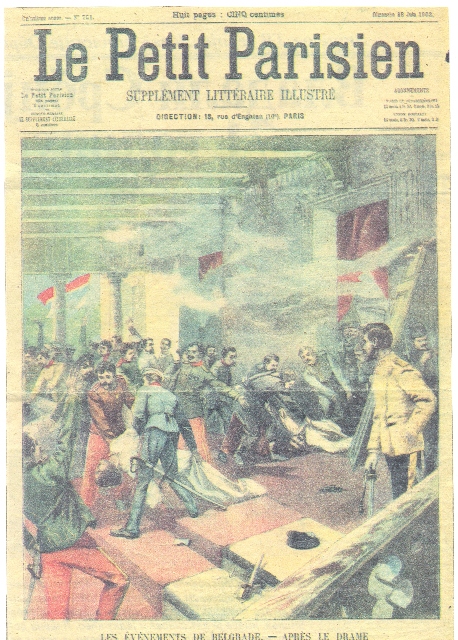
| Event | In the May Coup, Alexander I, King of Serbia, and Queen Draga, are assassinated in Belgrade by |
|---|---|
| Date | May 29, 1903 |
| Location | Belgrade, Serbia |
| Key Figure | King Alexander I of Serbia |
| Significance | Pivotal event in Serbian history leading to the end of the Obrenović dynasty |
| Legacy | Establishment of the Karađorđević dynasty |

Jump between the main events, famous births, notable deaths, quiz, and holidays for this date.

Reports From the Front

Captain Milan Milovanović, one of the conspirators, recalled that the night of the coup was marked by chaos and confusion, with the group of officers, armed and determined, making their way to the royal palace, where they encountered little resistance. The king and queen were shot and killed, along with several other officials, in a bloody and violent confrontation that lasted several hours. Milovanović's account provides a firsthand glimpse into the events of that night, highlighting the brutality and ruthlessness of the coup. The captain's testimony, recorded by historian Vladimir Dedijer, offers a unique perspective on the events leading up to and during the coup.
Vladimir Dedijer, in his book 'The Road to Sarajevo', provides a detailed analysis of the May Coup and its aftermath, drawing on a range of sources, including official documents and eyewitness accounts. Dedijer argues that the coup was not just a result of the conspirators' actions but also a consequence of the deeper structural issues within Serbian society and politics, including the country's fragile economy and its complex relationships with neighboring states. The historian's account offers a nuanced understanding of the complex factors that led to the coup and its impact on Serbian history, including the rise of the Karađorđević dynasty and the country's increasing involvement in regional politics.
The Military and Political Fallout
In the immediate aftermath of the May Coup, the conspirators, now in control of the government, quickly moved to consolidate their power and establish a new order, with Peter I of the Karađorđević dynasty proclaimed the new king and a regency council established to govern the country until he came of age. The new government faced significant challenges, including the need to establish legitimacy and stability in the face of international condemnation, with many European powers viewing the coup as a brutal and illegitimate seizure of power. As noted by the Austrian ambassador to Serbia, Baron von Giesl, the new government's ability to establish order and stability would be crucial to its survival, with the country's economy and military in a state of disarray.
In the years following the May Coup, Serbia experienced a period of significant change and upheaval, with the new government implementing a range of reforms aimed at modernizing the country's economy and military. The establishment of the Karađorđević dynasty marked a new era in Serbian history, one that would be characterized by a more assertive and nationalist foreign policy, with the country seeking to expand its influence and territory in the region. According to historian Andrej Mitrović, the May Coup marked the beginning of a new era in Serbian history, one that would be shaped by the complex interplay of domestic and international factors, including the country's relationships with neighboring states and the great powers of Europe.
How the Balance of Power Shifted

The May Coup marked the end of the Obrenović dynasty and the beginning of the Karađorđević dynasty, with King Peter I ascending to the throne and a regency council established to govern the country. The coup had significant consequences for Serbia and the wider region, shaping the country's foreign policy and relationships with other European powers, including Austria-Hungary and Bulgaria. The event also highlights the complex and often tumultuous nature of Serbian politics during this period, with the interplay of military, monarchical, and societal forces creating a volatile and unpredictable environment. Historian Dušan T. Bataković notes that the May Coup was a key event in Serbian history, one that would significantly impact the country's development and relationships with neighboring states.
The May Coup remains a fascinating and complex event, one that continues to be studied and debated by historians today, with many seeking to understand the complex factors that led to the coup and its impact on Serbian history. The coup's legacy can be seen in the modern Serbian state, with the Karađorđević dynasty playing a significant role in the country's development, including its involvement in World War I and the subsequent formation of Yugoslavia. Historian Stevan K. Pavlowitch argues that the May Coup was a key event in Serbian history, one that would shape the country's future for decades to come, with the country's relationships with neighboring states and the great powers of Europe continuing to evolve and change over time.
Our Take: Strategy, Mistakes, and Momentum
What Worked on the Ground
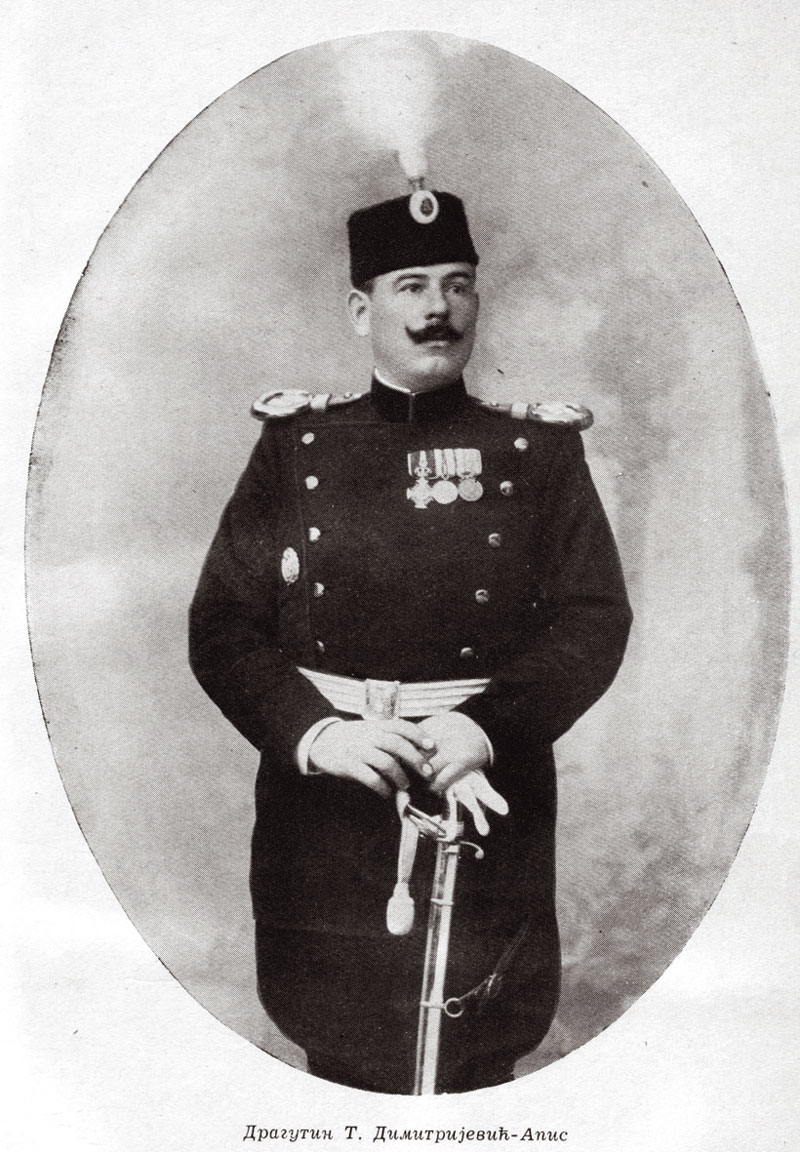
- Effective Leadership: The leadership of Dragutin Dimitrijević and the Black Hand society was a key factor in the success of the May Coup. Their ability to plan and execute the coup, despite the risks and challenges involved, demonstrates a high level of skill and determination. The new government's ability to establish legitimacy and stability in the face of international condemnation also reflects effective leadership. As noted by historian Vladimir Dedijer, the leadership of the conspirators was 'decisive' in the success of the coup.
- Strategic Planning: The conspirators' careful planning and execution of the coup were critical to its success. The use of military officers to gain access to the royal palace and the coordination of the assassinations demonstrate a high level of strategic thinking and planning. According to Captain Milan Milovanović, the conspirators spent months planning the coup, using their knowledge of the palace and its guards to their advantage.
- Adaptability: The new government's ability to adapt to the changing circumstances and challenges of the post-coup period was crucial to its survival. The establishment of a regency council and the proclamation of Peter I as the new king demonstrate a willingness to be flexible and responsive to the needs of the country. As noted by historian Andrej Mitrović, the new government's ability to adapt to the changing circumstances was 'essential' to its survival.
Where Command Failed
- Lack of Legitimacy: The May Coup was widely condemned by European powers, including the United Kingdom, France, and Austria-Hungary, and the new government faced significant challenges in establishing legitimacy. The lack of a clear and widely accepted succession plan and the violent nature of the coup created doubts about the new government's authority and right to rule. According to the British ambassador to Serbia, Sir George Bonham, the new government's lack of legitimacy was a 'major obstacle' to its recognition by European powers.
- Inexperience: The new government, led by the regency council, lacked experience and expertise in governing the country. Historian Dušan T. Bataković notes that the regency council's inexperience was 'a major factor' in its struggles to establish stability and legitimacy. The council's inability to effectively navigate the complex web of international relations and respond to the challenges it faced was a significant liability.
- Divisions and Infighting: The May Coup created divisions and infighting within the new government, as different factions and interests vied for power and influence. Historian Stevan K. Pavlowitch argues that the divisions and infighting within the new government were 'a major obstacle' to its ability to establish stability and legitimacy. The lack of unity and cohesion hindered the government's ability to respond effectively to the challenges it faced and created an environment of instability and uncertainty.
- Systemic Failure: The May Coup was also a result of systemic failures within the Serbian monarchy and government. Historian Vladimir Dedijer notes that the lack of accountability, the concentration of power, and the absence of effective checks and balances created an environment in which a coup could occur. The failure of the system to prevent the coup and the subsequent instability highlights the need for systemic reform and improvement, as emphasized by the Serbian historian Andrej Mitrović.
The May Coup's significance lies in its demonstration of the complex interplay of power and loyalty, as seen in the assassinations of King Alexander I, Queen Draga, and several high-ranking officials, including Prime Minister Dimitrije Cincar-Marković, on May 29, 1903, in Belgrade. The fact that Dragutin Dimitrijević, a charismatic military officer, led the coup, and that it marked the end of the Obrenović dynasty and the beginning of the Karađorđević dynasty, highlights the enduring tension between institutional stability and individual ambition. As we reflect on this event, we are struck by how the coup's aftermath, including the establishment of a regency council and the proclamation of Peter I as the new king, reveals the challenges of establishing legitimacy and stability in the face of international condemnation.