Nagasaki Bombing: August 9, 1945
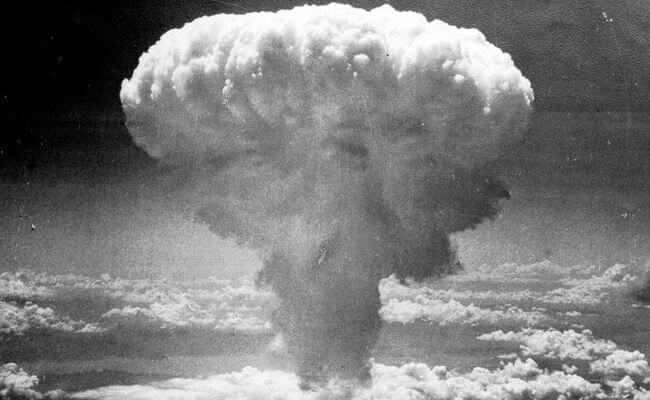
Quick Facts
| Event | Nagasaki Bombing |
|---|---|
| Date | August 9, 1945 |
| Time | 11:02 AM JST |
| Location | Nagasaki, Japan |
| Bomb | "Fat Man" – Plutonium implosion-type |
| Immediate Deaths | ~70,000 |
| Total Death Toll | ~80,000–100,000 (including later radiation deaths) |
| Significance | Second and last use of nuclear weapons in war |
Overview
On the morning of August 9, 1945, the United States dropped the plutonium-based “Fat Man” atomic bomb on the Japanese city of Nagasaki, three days after the bombing of Hiroshima. Originally targeted for Kokura, the mission was diverted to Nagasaki due to poor visibility over the primary target.
At exactly 11:02 AM, the bomb detonated over the Urakami Valley with an estimated yield of 21 kilotons of TNT. The explosion instantly destroyed much of the city, killing around 70,000 people. Thousands more would succumb in the following weeks and months due to burns, injuries, and radiation sickness.
Nagasaki’s hilly terrain limited the blast radius compared to Hiroshima, but the destruction was still catastrophic. Industrial areas, including the Mitsubishi shipyards and arms factories, were obliterated.
The bombing, combined with the earlier attack on Hiroshima, played a crucial role in Japan’s decision to surrender, leading to the end of World War II on August 15, 1945.
Conclusion
The Nagasaki bombing remains one of the most devastating moments in human history, a stark reminder of the destructive capacity of nuclear weapons. While it hastened the end of the Second World War, it also ignited decades of debate over the ethics and necessity of atomic warfare.
Today, Nagasaki stands as both a modern city and a symbol of peace, advocating for nuclear disarmament and remembrance of those lost.