Martin Frobisher Mistakes Greenland For Frisland in 1576
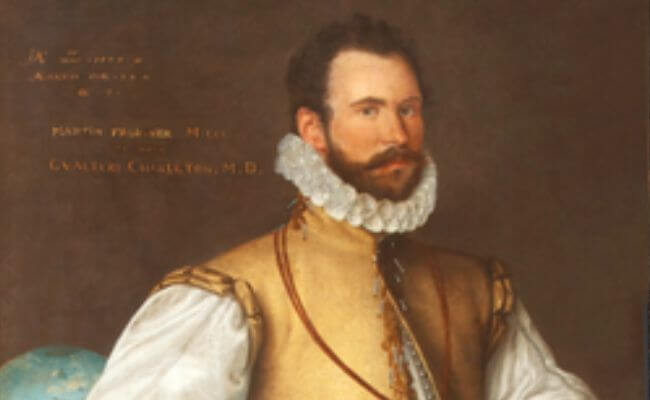
Quick Facts
| Explorer | Sir Martin Frobisher |
|---|---|
| Date | 4 July 1576 |
| Voyage | First North West Passage expedition |
| Mistaken Identity | Greenland mistaken for Frisland |
| Frisland | Phantom island on 16th century maps |
| Historic Outcome | Claimed for England, but was Greenland |
Overview
In July 1576 English sea captain Martin Frobisher set sail on a daring mission to find the north west passage to Asia. On July 4 he sighted a rugged coastline, believing it was the legendary island of Frisland that appeared on contemporary maps. In reality the land was part of Greenland, but the myth of Frisland persisted on maps and in explorers’ minds.
Relying on cartographic sources like Mercator and Zeno the younger’s map, Frobisher planted the English flag and claimed the land as Frisland for Queen Elizabeth I. This act reinforced mapmakers’ belief in the phantom island and led to further confusion for decades, with subsequent explorers misplacing Frisland repeatedly.
Frobisher’s misidentification also influenced the naming of Frobisher Strait, later corrected to Frobisher Bay in Baffin Island. It took centuries of Arctic exploration before Greenland’s true geography dispelled the Frisland myth.
Conclusion
Martin Frobisher’s 1576 expedition illustrates the power of myth in early exploration. Influenced by phantom island maps, he misidentified Greenland as Frisland and claimed it accordingly. This error influenced cartography and exploration narratives for centuries.
The Frisland episode highlights how navigational limitations and reliance on maps shaped early discoveries. It also shows how explorers like Frobisher contributed inadvertently to cartographic errors long before accurate Arctic charts became available.
Though Frobisher never found a north west passage, his voyages advanced geographic knowledge and underscored the need for better mapping, helping pave the way for future Arctic exploration.