Treaty of Berlin 1878 Settling the Eastern Question
Quick Facts
| Event | Treaty of Berlin |
|---|---|
| Date Signed | 13 July 1878 |
| Location | Berlin, German Empire |
| Participants | UK, Austria‑Hungary, France, Germany, Italy, Russia, Ottoman Empire |
| Main Purpose | Revise Treaty of San Stefano, rebalance Balkans |
| Key Outcomes | Recognition of Romania, Serbia, Montenegro; autonomy for Bulgaria; Austro‑Hungarian occupation of Bosnia‑Herzegovina |
Overview
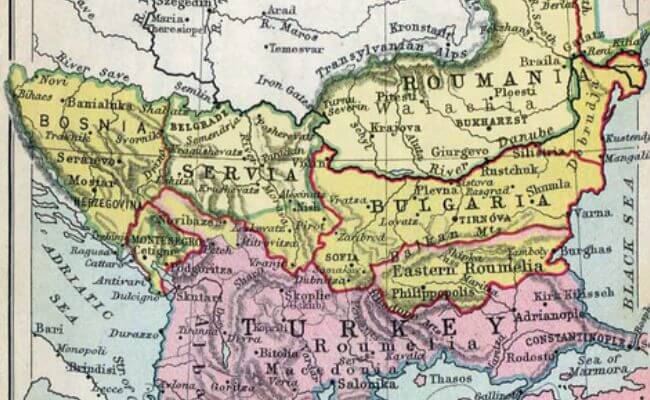
Convened by Bismarck from 13 June to 13 July 1878, the Congress of Berlin re-examined the terms imposed by the Treaty of San Stefano following the Russo‑Turkish War. The resulting Treaty of Berlin reversed several Russian gains to maintain the European balance of power .
It recognized the independence of Romania, Serbia and Montenegro, and Bulgaria was redefined as a smaller principality under nominal Ottoman suzerainty. Austria‑Hungary received the right to occupy and administer Bosnia‑Herzegovina, and Britain gained Cyprus as part of the broader strategic settlement.
Bismarck’s mediation curbed Russian influence but ignored local nationalist aspirations, laying ground for future Balkan tensions and international crises.
Conclusion
The Treaty of Berlin reshaped Southeast Europe, reaffirming the sovereignty of new Balkan states while securing Austro‑Hungarian and British interests. Though it restored a fragile balance, it failed to resolve ethnic divisions or nationalist ambitions.
The settlement postponed conflict but contributed to long-term instability, setting the stage for the Balkan Wars and eventually World War I.
The Treaty remains a defining moment in diplomatic history, illustrating the limits of great power diplomacy in accommodating regional self‑determination.