Intel Corporation: Powering the Digital Age (1968–Present)
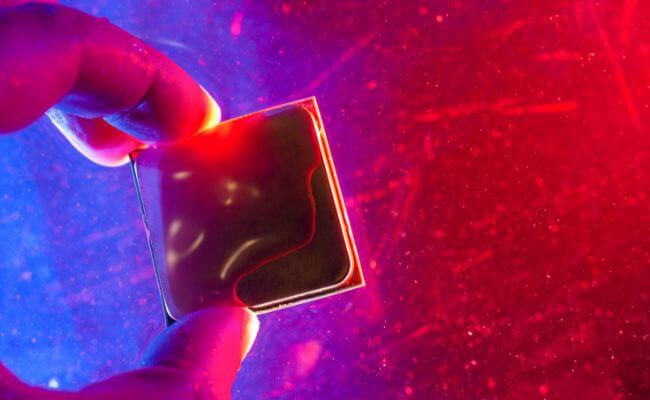
Quick Facts
| Founded | July 18, 1968 |
|---|---|
| Founders | Robert Noyce, Gordon Moore, Arthur Rock |
| Headquarters | Santa Clara, California, USA |
| Key Products | DRAM (1103), microprocessors (4004, 8086), integrated graphics |
| CEO (2025) | Lip‑Bu Tan |
| Q1 2025 Revenue | $12.7 billion |
| x86 Market Share (Q1 2025) | 75.6% (PC CPUs) |
Overview
Intel was founded on July 18, 1968, by semiconductor pioneers Robert Noyce and Gordon Moore, alongside investor Arthur Rock. Originally focused on memory chips, Intel gained prominence with the 1103: the first commercially available DRAM chip, and later revolutionized computing with the invention of the microprocessor in 1971: the Intel 4004.
In 1981, IBM's decision to use Intel’s 8086 processors in its PCs established the x86 architecture as the industry standard, propelling Intel to become the world’s dominant CPU manufacturer. Under the leadership of CEO Andy Grove, Intel transitioned fully into microprocessors and solidified its position throughout the 1990s and early 2000s.
In 2025, Intel remains a major player in the global CPU market, holding approximately 75.6% of the PC x86 CPU share in Q1. However, it faces increasing pressure in gaming and enthusiast markets from AMD, and is experiencing a decline in consumer desktop dominance. The company is also investing in AI-optimized architectures and regaining ground in the server CPU segment.
Conclusion
Intel’s journey from memory chips to global microprocessor leadership is one of vision, resilience, and constant innovation. The company has shaped modern computing through both hardware and architecture, with the x86 platform remaining at the core of most PCs today.
As of 2025, Intel faces fierce competition and the challenges of technological transition. But with new leadership, massive investments in advanced manufacturing (like the 18A process), and renewed focus on data center and AI workloads, Intel is positioning itself for a next-generation comeback.
More than five decades after its founding, Intel continues to power the digital infrastructure of the world. One transistor at a time.