Bombing of Rome in World War II Allied Air Raids on San Lorenzo
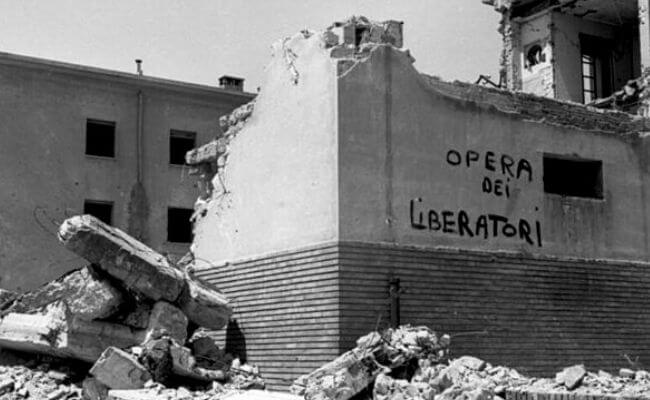
Quick Facts
| Event | Bombing of Rome |
|---|---|
| Duration | 16 May 1943 – 5 June 1944 |
| Major Raid | 19 July 1943 – 690 USAAF aircraft dropped ~9,000 bombs |
| Target | San Lorenzo freight yards, steel works, railway termini |
| Estimated Civilian Fatalities | 1,600–3,200 in San Lorenzo district |
| Allied Losses | 600 aircraft shot down, 3,600 aircrew killed |
| Outcome | Allied victory; Rome liberated June 4 1944 |
Overview
Between May 1943 and June 1944 Rome endured a prolonged Allied bombing campaign targeting key logistical hubs in the working-class San Lorenzo district, including rail marshalling yards, steel factories and freight depots. The campaign culminated in a devastating raid on 19 July 1943 by nearly 700 USAAF bombers, resulting in the deaths of up to 3,200 civilians and severe cultural and urban damage.
Pope Pius XII had urged U.S. President Roosevelt to protect Rome’s historic and religious sites, but military necessity prevailed. Despite detailed briefing of flight crews to avoid the Vatican and major basilicas, outdated mapping meant the Basilica of San Lorenzo was struck and heavily damaged.
Over the course of approximately 110,000 sorties, the Allies dropped 60,000 tons of bombs on Rome. Rome was declared an open city by Italian authorities on 14 August 1943, but the bombing continued until shortly before the city fell to Allied forces on 4 June 1944.
Conclusion
The bombing of Rome represented a tragic clash between military strategy and cultural preservation. While railway yards constituted legitimate targets, civilian egregious losses and architectural damage sparked deep moral dilemmas.
The devastation accelerated Italy's collapse, including the removal of Mussolini just days later. Despite the historic centre and Vatican largely remaining intact, the human toll and political fallout had lasting impact on Italy’s wartime narrative.
This campaign remains a powerful reminder of the challenges in protecting civilian populations and cultural heritage in modern warfare, and how wartime decisions reverberate long after the last bomb has fallen.