Concorde Disaster: Flight 4590 Crash near Paris (2000)
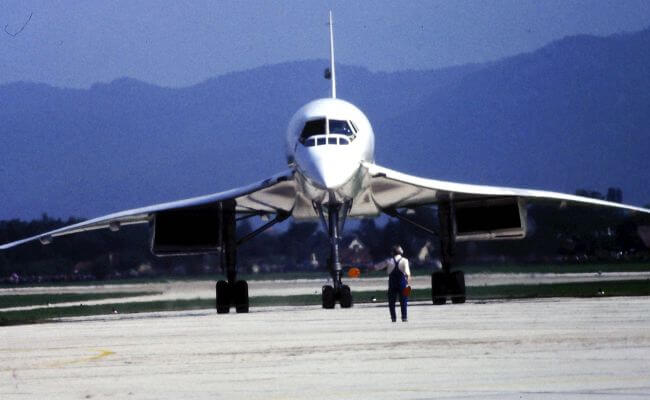
Quick Facts
| Flight | Air France Flight 4590 |
|---|---|
| Date | July 25, 2000 |
| Aircraft | Aérospatiale-BAC Concorde |
| Location | Gonesse, France (near Paris Charles de Gaulle Airport) |
| Fatalities | 113 (109 on board, 4 on the ground) |
| Cause | Tire burst, fuel tank rupture, fire |
| Operator | Air France |
Overview
On July 25, 2000, Air France Flight 4590, a supersonic Concorde aircraft, crashed shortly after takeoff from Paris Charles de Gaulle Airport, killing all 109 passengers and crew aboard and 4 people on the ground. It was the only fatal crash involving a Concorde.
The aircraft struck debris on the runway, which caused a tire to burst. A piece of rubber punctured the fuel tank, leading to a fire and subsequent loss of control. The plane crashed into a hotel in Gonesse just two minutes after takeoff.
Many passengers were German tourists heading to New York to board a cruise. The tragedy shocked the world and marked the beginning of the end for Concorde's commercial career. Though it returned to service in 2001, the aircraft was permanently retired in 2003.
The crash led to safety overhauls for Concorde, including reinforced fuel tanks and improved tires. However, combined with aging aircraft, high costs, and declining demand, the accident ultimately sealed Concorde’s fate.
Conclusion
The Concorde Flight 4590 disaster remains one of the most tragic incidents in aviation history. It not only ended the lives of 113 people but also symbolized the fall of a golden era of supersonic travel.
While the Concorde was a marvel of engineering and luxury, the crash underscored the challenges of maintaining aging high-performance aircraft. Today, it serves as a powerful reminder of aviation safety, innovation, and the limits of technology.
The Concorde may be gone, but its legacy, safety standards, and the lessons of Flight 4590 continue to shape the skies.