November 3, 1957: Laika Becomes the First Living Creature in Orbit
Quick Facts
| Event | Laika becomes the first living creature in orbit |
|---|---|
| Date | November 3, 1957 |
| Location | Baikonur Cosmodrome, Kazakhstan (then USSR) |
| Spacecraft | Sputnik 2 |
| Country | Soviet Union (USSR) |
Overview
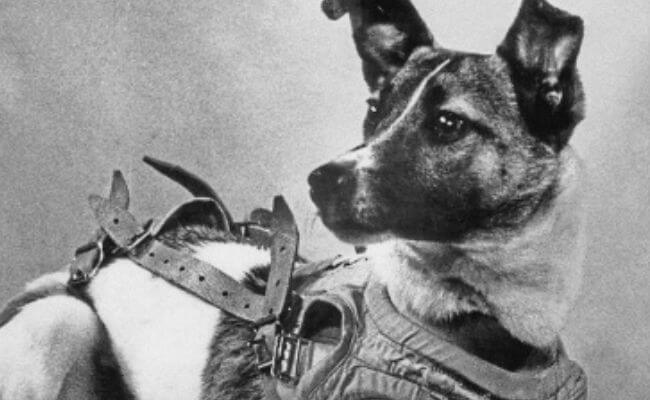
On November 3, 1957, the Soviet Union launched Sputnik 2, carrying Laika, a stray dog from the streets of Moscow. She became the first living creature to orbit Earth and marked a defining moment in the Space Race.
The mission was designed to test life-support systems for future human spaceflight. Sadly, Laika did not survive the mission, but her sacrifice provided critical data that informed the design of later spacecraft, including those that carried Yuri Gagarin and other cosmonauts.
Laika’s story captured the world’s imagination and remains a poignant reminder of the early, ambitious, and often perilous days of space exploration.
Legacy
Laika’s mission was a technological triumph and a moral controversy. While it showcased Soviet innovation, it also raised global ethical debates about animal testing and the cost of progress.
Her journey paved the way for human spaceflight and marked a turning point from Gagarin’s 1961 orbit to the International Space Station era. Laika’s name endures as a symbol of exploration, courage, and sacrifice.
Today, Laika is remembered with monuments, memorials, and even a place in popular culture, forever orbiting in the history of space exploration.