October 13 1307: Arrest of the Knights Templar
Quick Facts
| Event | Arrest of the Knights Templar |
|---|---|
| Date | October 13 1307 |
| Location | Kingdom of France |
| Ordered By | King Philip IV of France |
| Target | Knights Templar |
| Grand Master | Jacques de Molay |
| Outcome | Dissolution of the Templar Order by Pope Clement V in 1312 |
Overview
On October 13 1307, King Philip IV of France ordered the sudden arrest of hundreds of members of the Knights Templar across his kingdom. Once celebrated as heroes of the Crusades, the Templars had grown immensely wealthy and influential, controlling vast estates and financial networks throughout Europe.
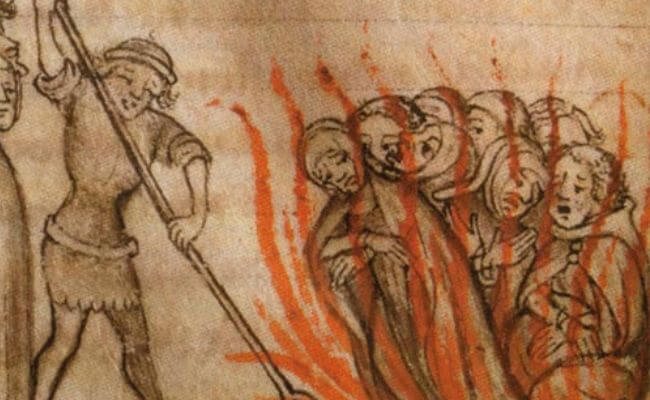
Philip, deeply indebted to the order, accused them of heresy, idolatry, and moral corruption. Under torture, many confessions were extracted, most of them coerced. The Templar Grand Master, Jacques de Molay, initially confessed but later recanted, declaring the innocence of his companions.
The arrests marked the beginning of one of the darkest episodes in medieval Europe, as the once powerful order was dismantled under pressure from both the French crown and the Papacy. The Templars’ vast holdings were seized, and their leadership was executed or imprisoned.
Legacy
The events of 1307 gave rise to centuries of speculation, myth, and legend surrounding the Knights Templar. Some believe remnants of the order survived underground, influencing later organizations and secret societies. The dramatic downfall of the Templars also gave enduring power to the date Friday the 13th, which some associate with bad luck.
Today, historians view the mass arrest as a politically motivated act of greed and control, rather than genuine religious justice. The Templars’ legacy endures in both historical scholarship and popular culture, as symbols of mystery, loyalty, and tragedy.