October 28 1636: Harvard College is Established
Quick Facts
| Event | Establishment of Harvard College |
|---|---|
| Date | October 28 1636 |
| Location | Cambridge, Massachusetts |
| Founded By | Massachusetts Bay Colony |
| Original Purpose | To train clergy and promote education in the New World |
| Institution Type | College (now Harvard University) |
Overview
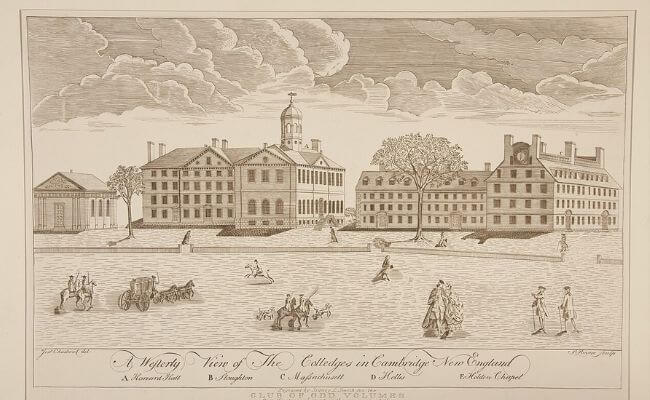
On October 28 1636, the Great and General Court of the Massachusetts Bay Colony voted to establish a college in the newly founded town of Cambridge. This institution would later become Harvard College, the first institution of higher education in what would become the United States.
The college was founded to ensure an educated ministry and promote learning in the Puritan colonies. In 1639, it was named after its first major benefactor, John Harvard, a young minister who bequeathed half of his estate and his library to the new school upon his death.
Early classes were small, with only a few students and a single building, but the college quickly became a center of intellectual and moral training for the colony. Its influence spread across the New England settlements and helped shape the educational and cultural foundations of early America.
Legacy
The founding of Harvard College marked a turning point in American education. It set the precedent for institutions of higher learning throughout the colonies and later the nation. What began as a small Puritan seminary evolved into a world-renowned university that has shaped global thought, leadership, and innovation.
Today, Harvard University stands as a symbol of academic excellence and intellectual freedom, tracing its roots back to that historic decision of 1636. Its founding represents the enduring importance of education in shaping societies and advancing human progress.
From a single wooden building in colonial Massachusetts to a global academic institution, Harvard’s story is a reflection of America’s own evolution driven by curiosity, conviction, and the pursuit of knowledge.