September 8, 1504: Michelangelo’s David Unveiled
Quick Facts
| Event | Unveiling of Michelangelo’s David |
|---|---|
| Date | September 8, 1504 |
| Location | Florence, Republic of Florence (Italy) |
| Artist | Michelangelo Buonarroti |
| Material | Marble |
| Height | 17 feet (5.17 meters) |
| Significance | Symbol of Renaissance ideals of humanism, beauty, and civic pride |
Overview
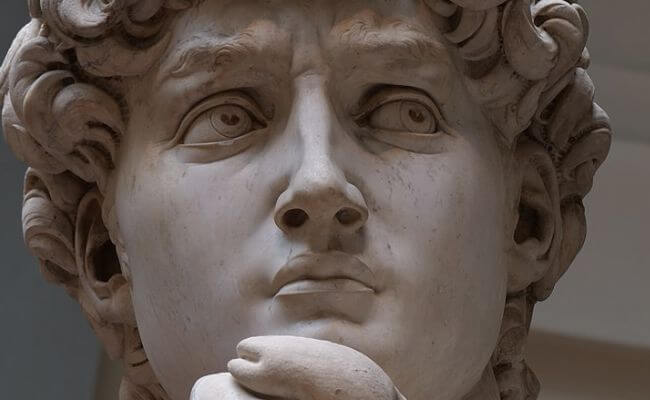
On September 8, 1504, the people of Florence gathered to witness the unveiling of Michelangelo’s David. Carved from a single block of marble, the statue quickly became an emblem of Renaissance artistry and Florentine identity.
Michelangelo began work on the statue in 1501, transforming a neglected block of marble into one of the world’s most recognizable masterpieces. Standing over 17 feet tall, David portrays the biblical hero at the moment before his battle with Goliath in the Old Testament. He is a symbol of courage, youthful strength, and divine inspiration.
Originally intended for the Florence Cathedral, David was instead placed in the Piazza della Signoria, in front of the Palazzo Vecchio, as a symbol of the city’s republican values and defense of liberty against stronger rivals.
Conclusion
More than 500 years later, David continues to inspire awe as a timeless celebration of human creativity. It remains one of the most studied and visited works of art, representing the height of Renaissance ideals of the harmony of human form, intellect, and spirit.
Today, the original statue resides in the Galleria dell’Accademia in Florence, while replicas stand in its original piazza and around the world, a testament to its enduring legacy.