Amtrak
American intercity passenger rail operator

Cite this page
“Amtrak.” thisDay, thisday.info/history/amtrak/. Accessed 19 Oct. 2026.
Amtrak. (n.d.). thisDay. Retrieved October 19, 2026, from https://thisday.info/history/amtrak/
“Amtrak.” thisDay. Accessed October 19, 2026. https://thisday.info/history/amtrak/.
What was Amtrak?
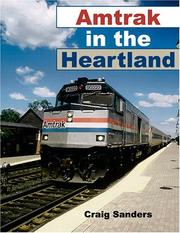
The National Railroad Passenger Corporation, doing business as Amtrak (; reporting marks AMTK, AMTZ), is the national passenger railroad company of the United States. It operates intercity rail service in every contiguous U.S. state except for Wyoming and South Dakota as well as in three Canadian provinces. Amtrak is a portmanteau of the words America and track. Founded in 1971 as a quasi-public corporation to operate many U.S. passenger rail routes, Amtrak receives a combination of state and federal subsidies but is managed as a for-profit organization.


Background and consequences
The company's headquarters is located one block west of Union Station in Washington, D.C. Amtrak is headed by a Board of Directors, two of whom are the secretary of transportation and chief executive officer (CEO) of Amtrak, while the other eight members are nominated to serve a term of five years. Amtrak's network includes over 500 stations along 21,400 miles (34,000 km) of track. It directly owns approximately 623 miles (1,003 km) of this track and operates an additional 132 miles (212 km) of track; the remaining mileage is over rail lines owned by other railroad companies.

Why it matters
While most track speeds are limited to 79 mph (127 km/h) or less, several lines have been upgraded to support top speeds of 110 mph (180 km/h), and parts of the Northeast Corridor support top speeds of 160 mph (260 km/h). In fiscal year 2025, Amtrak served 34.5 million passengers and had $2.7 billion in adjusted ticket revenue, with more than 22,100 employees. Nearly 87,000 passengers ride more than 300 Amtrak trains daily. Nearly two-thirds of passengers come from the 10 largest metropolitan areas and 83% of passengers travel on routes shorter than 400 miles (645 km).
Related on thisDay
Cite this page
“Amtrak.” thisDay, thisday.info/history/amtrak/. Accessed 19 Oct. 2026.
Amtrak. (n.d.). thisDay. Retrieved October 19, 2026, from https://thisday.info/history/amtrak/
“Amtrak.” thisDay. Accessed October 19, 2026. https://thisday.info/history/amtrak/.