How did the Chilean Navy capture the Peruvian monitor Huáscar at Angamos?
The Chilean squadron under Commodore Galvarino Riveros and Captain Juan José Latorre encircled and battered the Peruvian monitor Huáscar, boarding it after three hours of fire and killing Admiral Miguel Grau.

Cite this page
“How did the Chilean Navy capture the Peruvian monitor Huáscar at Angamos?” thisDay, thisday.info/history/battle-of-angamos-1879/. Accessed 16 Nov. 2026.
How did the Chilean Navy capture the Peruvian monitor Huáscar at Angamos? (n.d.). thisDay. Retrieved November 16, 2026, from https://thisday.info/history/battle-of-angamos-1879/
“How did the Chilean Navy capture the Peruvian monitor Huáscar at Angamos?” thisDay. Accessed November 16, 2026. https://thisday.info/history/battle-of-angamos-1879/.
Strategic backdrop and Chilean preparation
After the loss of the Peruvian frigate Independencia at Punta Gruesa, Admiral Miguel Grau shifted to a harassing strategy, avoiding direct clashes while targeting Chilean transports. Chile responded by replacing Admiral John Williams Rebolledo with Commodore Galvarino Riveros, who received orders to eliminate the remaining Peruvian warships. Over the next five months, Chilean ironclads Almirante Cochrane and Blanco Encalada patrolled the coast, refining a plan to trap Grau’s solitary monitor. By early October, the Chilean squadron had concentrated near Antofagasta, ready to force a decisive encounter that would end Peru’s naval resistance, a goal that guided every subsequent maneuver.
The Chilean fleet’s preparation hinged on superior firepower and coordination. Riveros ordered a gradual reduction of speed to lure the Huáscar northward, while Latorre positioned the Cochrane to bring its Armstrong‑type batteries within effective range. Chilean intelligence reported three smoke plumes to the north, confirming the presence of the Peruvian vessels. This information allowed Riveros to set a trap that would limit Grau’s options for escape, forcing the monitor into a constrained battle zone near Punta Angamos, where Chilean gunners could concentrate their fire.

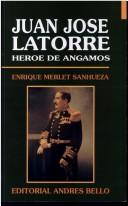
Encounter and initial exchange
At 5:40 a.m. on 8 October, the Peruvian monitor Huáscar and the corvette Unión began a slow northward turn. The Chilean ironclad Blanco observed the movement and accelerated to prevent another southward maneuver. By 7:15 a.m., Grau sighted additional smoke and identified the approaching Cochrane and the corvette O'Higgins, confirming the Chilean trap. The Unión, capable of 13 knots, broke away toward the northeast, leaving Huáscar isolated and compelled to face the Chilean ironclads, a situation that left little room for tactical retreat.
Latorre, aboard the Cochrane, opened fire at 9:40 a.m. from a distance of 2,200 metres. The first two 9‑inch shells struck the Huáscar’s artillery tower, wounding twelve gun crews and severing the steering chains, which caused the monitor to list heavily to starboard. A subsequent salvo penetrated the command turret, killing Admiral Grau instantly. These armor‑piercing rounds demonstrated the decisive advantage of Chile’s heavy ordnance over the Huáscar’s ordinary elongated shot, a disparity that quickly turned the engagement in Chile’s favor.

Sustained bombardment and boarding
After the initial crippling hits, the Huáscar continued to fire, but its projectiles inflicted only minor damage on the Chilean ironclads. Riveros brought the Blanco Encalada into the fight, adding its own firepower to the relentless barrage. For nearly three hours, the Chilean ships maintained a tight cross‑fire, gradually wearing down the monitor’s hull and crew morale. The sustained bombardment left the Huáscar unable to maneuver or return effective fire, sealing its fate as the shells hammered its armored sides and decks.
At approximately 12:00 p.m., Chilean boarding parties from the Cochrane seized the crippled Huáscar. The capture concluded the battle, with the monitor’s crew surrendering after exhausting their ammunition and suffering heavy casualties. The Chilean victory was complete: the Huáscar was taken intact, its commander dead, and the Peruvian navy lost its last major warship, a loss that removed any realistic chance of naval resurgence for Peru.
Immediate aftermath and naval dominance
The seizure of the Huáscar gave Chile uncontested control of the Pacific coast for the remainder of the war. Within weeks, Chile prepared the invasion of the Tarapacá department, which began in early November 1879. The naval superiority secured by Angamos allowed Chilean troops to land unopposed, facilitating subsequent land campaigns across the Atacama Desert that culminated in the fall of Lima in January 1881, a sequence that underscored the strategic weight of the sea battle.
The captured Huáscar was repaired and commissioned into the Chilean navy, serving until its decommissioning and eventual conversion into a floating museum at Talcahuano. Its preservation provides a tangible reminder of the battle’s decisive nature and the effectiveness of Chile’s coordinated ironclad tactics, allowing visitors today to see the very hull that once dominated the Pacific theater.
Timeline: The Chilean Navy defeats the Peruvian Navy in the Battle of Angamos
- 21 May 1879 Peruvian loss of frigate Independencia at Iquique
- 5 August 1879 Resignation of Chilean Admiral John Williams Rebolledo
- 8 October 1879 Battle of Angamos; Huáscar captured
- Early November 1879 Chilean invasion of Tarapacá department
- January 1881 Fall of Lima; Chilean land campaign success
- 20 October 1883 Treaty of Ancón ends war with Peru
Related on thisDay
Cite this page
“How did the Chilean Navy capture the Peruvian monitor Huáscar at Angamos?” thisDay, thisday.info/history/battle-of-angamos-1879/. Accessed 16 Nov. 2026.
How did the Chilean Navy capture the Peruvian monitor Huáscar at Angamos? (n.d.). thisDay. Retrieved November 16, 2026, from https://thisday.info/history/battle-of-angamos-1879/
“How did the Chilean Navy capture the Peruvian monitor Huáscar at Angamos?” thisDay. Accessed November 16, 2026. https://thisday.info/history/battle-of-angamos-1879/.