BOAC Flight 777 is shot down over the Bay of Biscay by German Junkers Ju 88s
1943 airliner shootdown incident
Cite this page
“BOAC Flight 777 is shot down over the Bay of Biscay by German Junkers Ju 88s.” thisDay, thisday.info/history/boac-flight-777-is-shot-down-over-the-bay-of-biscay-by-german-junkers-ju-88s/. Accessed 19 Oct. 2026.
BOAC Flight 777 is shot down over the Bay of Biscay by German Junkers Ju 88s. (n.d.). thisDay. Retrieved October 19, 2026, from https://thisday.info/history/boac-flight-777-is-shot-down-over-the-bay-of-biscay-by-german-junkers-ju-88s/
“BOAC Flight 777 is shot down over the Bay of Biscay by German Junkers Ju 88s.” thisDay. Accessed October 19, 2026. https://thisday.info/history/boac-flight-777-is-shot-down-over-the-bay-of-biscay-by-german-junkers-ju-88s/.
Background and Circumstances
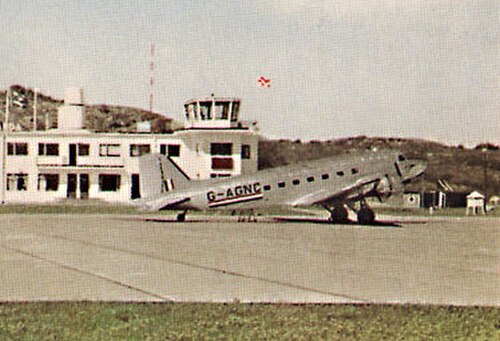
On June 1, 1943, BOAC Flight 777, a de Havilland DH.86 aircraft, was intercepted and shot down by two German Junkers Ju 88 fighters over the Bay of Biscay. The incident resulted in the loss of all 17 lives on board, including notable passengers such as Leslie Howard, a British actor, and Walter Huston's friend, who was traveling with him but Huston was not on the flight.
The flight was a regular service operated by the British Overseas Airways Corporation (BOAC), connecting Lisbon to London. The Bay of Biscay, where the incident occurred, was a known hotspot for German air activity during World War II, with the Luftwaffe frequently targeting Allied aircraft in the region.
The British Air Ministry's official report and the UK National Archives provide primary sources of information on the incident, offering a detailed account of the events surrounding the shooting down of BOAC Flight 777.
The Incident and Aftermath
The German Junkers Ju 88 fighters, which intercepted BOAC Flight 777, were part of the Luftwaffe's anti-shipping campaign, aimed at disrupting Allied supply lines and communication. The attack on the civilian aircraft was a tragic consequence of this campaign, highlighting the risks faced by non-military personnel during wartime.
The shooting down of BOAC Flight 777 had significant implications for aviation security, leading to increased measures to protect civilian flights from enemy fire. The incident also had a profound impact on the families of the victims, who were left to cope with the sudden loss of their loved ones.
The incident was widely reported in the media at the time, with many outlets expressing outrage and condemnation at the attack on a civilian aircraft. The British government also responded to the incident, with officials calling for increased protection for civilian flights and stricter enforcement of international laws governing the conduct of war.
Historical Significance and Legacy
The shooting down of BOAC Flight 777 is remembered as one of the most significant civilian aviation disasters of World War II. The incident highlighted the risks faced by non-military personnel during wartime and led to increased measures to protect civilian flights from enemy fire.
The legacy of BOAC Flight 777 can be seen in the development of modern aviation security protocols, which prioritize the protection of civilian aircraft and passengers. The incident also serves as a reminder of the human cost of war and the importance of protecting innocent lives during conflict.
Today, the story of BOAC Flight 777 is largely forgotten, but it remains an important part of history, serving as a reminder of the devastating consequences of war and the importance of protecting civilian lives during conflict.
Later Investigations and Reflections
In the years following the incident, there were several investigations and reflections on the shooting down of BOAC Flight 777. The British government conducted an official inquiry into the incident, which concluded that the German fighters had indeed targeted the civilian aircraft.
Leslie Howard's death on the flight was particularly notable, as he was a well-known actor and a prominent figure in British society. His death was widely reported in the media, and he is still remembered today as one of the victims of the BOAC Flight 777 disaster.
The story of BOAC Flight 777 serves as a reminder of the importance of protecting civilian lives during conflict and the need for increased measures to prevent such tragedies from occurring in the future.
Related on thisDay
Cite this page
“BOAC Flight 777 is shot down over the Bay of Biscay by German Junkers Ju 88s.” thisDay, thisday.info/history/boac-flight-777-is-shot-down-over-the-bay-of-biscay-by-german-junkers-ju-88s/. Accessed 19 Oct. 2026.
BOAC Flight 777 is shot down over the Bay of Biscay by German Junkers Ju 88s. (n.d.). thisDay. Retrieved October 19, 2026, from https://thisday.info/history/boac-flight-777-is-shot-down-over-the-bay-of-biscay-by-german-junkers-ju-88s/
“BOAC Flight 777 is shot down over the Bay of Biscay by German Junkers Ju 88s.” thisDay. Accessed October 19, 2026. https://thisday.info/history/boac-flight-777-is-shot-down-over-the-bay-of-biscay-by-german-junkers-ju-88s/.