Giro d'Italia Launch
Cycling road race held in Italy

Cite this page
“Giro d'Italia Launch.” thisDay, thisday.info/history/giro-d-italia-launch/. Accessed 19 Oct. 2026.
Giro d'Italia Launch. (n.d.). thisDay. Retrieved October 19, 2026, from https://thisday.info/history/giro-d-italia-launch/
“Giro d'Italia Launch.” thisDay. Accessed October 19, 2026. https://thisday.info/history/giro-d-italia-launch/.
What was Giro d'Italia Launch?
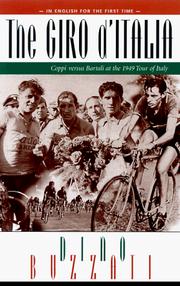
The Giro d'Italia (pronounced [ˈdʒiːro diˈtaːlja]; lit. 'Tour of Italy'), also known simply as the Giro, is an annual multiple-stage road cycling race primarily held in Italy. The first race was organized in 1909 to increase sales of the newspaper La Gazzetta dello Sport, and the race is still run by a subsidiary of that paper's owner. The race has been held annually since its first edition in 1909, except during the two world wars. As the Giro gained prominence and popularity, the race was lengthened, and the peloton expanded from primarily Italian participation to riders from all over the world.


Background and consequences
The Giro is a UCI World Tour event, which means that the teams that compete in the race are mostly UCI WorldTeams, with some additional teams invited as 'wild cards'. The Giro is one of professional cycling's three-week-long Grand Tours, and after the Tour de France is the second most important stage race in the world (the Triple Crown of Cycling denotes the achievement of winning the Giro, the Tour and the UCI Road World Championships in the same season). The Giro is usually held during May, sometimes continuing into early June. While the route changes each year, the format of the race stays the same, with at least two time trials, and a passage through the mountains of the Alps, including the Dolomites.

Why it matters
Like the other Grand Tours, the modern editions of the Giro d'Italia normally consist of 21 stages over a 23- or 24-day period that includes two or three rest days. The rider with the lowest aggregate time is the leader of the general classification and wears the pink jersey. While the general classification gathers the most attention, stage wins are prestigious of themselves, and there are other contests held within the Giro: the points classification, the mountains classification for the climbers, young rider classification for the riders under the age of 25, and the team classification.
Related on thisDay
Cite this page
“Giro d'Italia Launch.” thisDay, thisday.info/history/giro-d-italia-launch/. Accessed 19 Oct. 2026.
Giro d'Italia Launch. (n.d.). thisDay. Retrieved October 19, 2026, from https://thisday.info/history/giro-d-italia-launch/
“Giro d'Italia Launch.” thisDay. Accessed October 19, 2026. https://thisday.info/history/giro-d-italia-launch/.