Why Did a Posse Kill 19 Striking Miners at Lattimer?
An analysis of the Lattimer massacre, examining the economic pressures on immigrant miners, the deployment of a sheriff's posse, and the legal aftermath that included the acquittal of mine superintendent Gomer Jones.

Cite this page
“Why Did a Posse Kill 19 Striking Miners at Lattimer?” thisDay, thisday.info/history/lattimer-massacre-1897/. Accessed 26 Oct. 2026.
Why Did a Posse Kill 19 Striking Miners at Lattimer? (n.d.). thisDay. Retrieved October 26, 2026, from https://thisday.info/history/lattimer-massacre-1897/
“Why Did a Posse Kill 19 Striking Miners at Lattimer?” thisDay. Accessed October 26, 2026. https://thisday.info/history/lattimer-massacre-1897/.
Expectation vs. Outcome
The events at Lattimer reveal a stark contrast between the miners' intent and the violent response they faced, as well as the gap between the severity of the crime and the legal result.
| The plan needed | What happened | Why it mattered |
|---|---|---|
| A peaceful march for better wages | A posse attack killing 19 men | Exposed the extreme vulnerability of immigrant laborers |
| Legal accountability for mass killing | Acquittal of mine superintendent Gomer Jones | Fueled national outrage and union solidarity |
| Ethnic division among workers | Cross-ethnic solidarity in the UMW | Strengthened the United Mine Workers organization |
Economic Pressure and Immigrant Labor
Late nineteenth-century Central and Eastern European economies struggled, driving mass immigration to the United States. Rural populations outpaced agricultural and industrial absorption, while industrialization disrupted traditional crafts. Large-scale commercial producers increased competition, pushing workers toward American industrial jobs requiring little English. Many newly arrived Slavic immigrants found work in Northeastern Pennsylvania’s anthracite coal industry. They accepted dangerous, low-paying positions under harsh conditions, facing significant exploitation by mine operators who often recruited them to break strikes. This created tension among ethnic groups already working in the mines, as operators pitted newcomers against established workers to suppress wage demands and maintain control over the labor force.
Conditions in late nineteenth-century coal mines were exceptionally harsh, with poor safety standards resulting in 32,000 miner deaths in Northeast Pennsylvania since 1870. Wages, already low in a competitive industry, fell seventeen percent during the mid-1890s following a coal industry slump. Although wages improved slightly by the fall of 1897, anthracite companies cut pay again and consolidated operations, worsening working conditions. Companies forced workers to lease homes from the company and see only company doctors when injured. These exploitative practices affected communities like Freeland and Eckley, where generations of Irish, Welsh, Slavic, Italian, and other immigrant families lived. Coal operators and local authorities often encouraged ethnic divisions, despite the shared discrimination and economic hardship experienced by these communities.

The March and the Posse
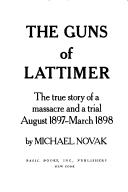
On September 10, 1897, four hundred men began a peaceful march and demonstration near Hazleton, Pennsylvania. They sought better wages, improved working conditions, and the right to organize. The group consisted mostly of Polish, Slovak, Lithuanian, and German immigrants. A Luzerne County sheriff's posse, armed and led by the local sheriff, intercepted the marchers at the Lattimer mine. The posse attacked the unarmed miners, killing at least nineteen men. Scores more miners were wounded in the attack. The Congressional Record from 1997 confirms that the marchers intended to demonstrate peacefully, highlighting the disparity between their goals and the violent response they encountered from the posse comitatus, a force mobilized to suppress lawlessness and protect property interests in the region.
The posse comitatus, derived from Latin meaning 'force of the county,' is a common law group mobilized to protect peace and property. In nineteenth-century usage, it often referred to a band assembled by authorities to deal with emergencies like riots. The doctrine dates back to ninth-century England and the campaigns of Alfred the Great. In the United States, sheriffs could call out the posse to suppress unrest. At Lattimer, the posse's actions resulted in a massacre. The attack left at least nineteen men dead and countless others injured. The violence shocked the nation, bringing attention to the plight of miners who toiled under abysmal conditions. The event underscored the power dynamics between laborers and the authorities protecting mine owners' interests.

The Trial and Acquittal
The immediate aftermath of the massacre included a trial that ended with Gomer Jones, the mine superintendent, walking free. This verdict sparked national scrutiny of workers' rights and the perilous conditions in American coal mines. Despite clear evidence of a massacre, the legal system failed to convict Jones. This result fueled anger among workers and their supporters, who viewed it as a miscarriage of justice. The trial's outcome underscored the challenges faced by laborers seeking legal recourse against powerful mine operators and local authorities. The acquittal demonstrated how deeply entrenched the protection of capital was within the local judicial framework, leaving victims without legal remedy.
The acquittal of Gomer Jones did not end the struggle for workers' rights. Instead, it galvanized the labor movement, leading to a strengthening of the United Mine Workers of America. The union became the voice for anthracite miners, advocating for better conditions and wages. The massacre and its aftermath helped break down walls of anti-immigrant sentiment, fostering solidarity among workers of different ethnic backgrounds. The event remains a documented milestone in labor history, anchored by the specific date of September 10, 1897. The Congressional Record explicitly notes the acquittal, providing a concrete endpoint to the legal proceedings. This outcome served as a catalyst for broader labor reforms and union organization.
Legacy and Labor Solidarity
It led to a strengthening of the United Mine Workers of America, which became a powerful advocate for anthracite miners. The event helped empower miners and break down anti-immigrant sentiment, fostering solidarity among workers of different ethnic backgrounds. The massacre brought national attention to the plight of miners, highlighting the dangerous conditions and exploitation they faced. The Congressional Record from 1997 notes that the event changed the face of the American labor movement. It underscored the need for regulations to ensure mine safety and protect workers' rights. The tragedy forced a national reckoning with the cost of coal, shifting public opinion toward greater support for organized labor and federal oversight of industrial safety standards.
One hundred years later, the labor movement had come a long way. The right of workers to organize and bargain collectively was no longer questioned. Regulations helped ensure the safety of mines and other workplaces. The event remains a significant part of American labor history, commemorated annually. The Congressional Record entry from 1997 highlights the importance of remembering the sacrifices made by the miners who died at Lattimer. Their struggle paved the way for better working conditions and rights for future generations of workers.
Timeline: Lattimer massacre kills 19 miners
- 1870 Start of recorded miner deaths in NE Pennsylvania
- Mid-1890s Wages fall 17% after coal slump
- September 10, 1897 Posse kills 19 miners at Lattimer
- 1897 Trial of mine superintendent Gomer Jones
- 1897 Acquittal of Gomer Jones
- 1997 Congressional Record marks 100th anniversary
Related on thisDay
Cite this page
“Why Did a Posse Kill 19 Striking Miners at Lattimer?” thisDay, thisday.info/history/lattimer-massacre-1897/. Accessed 26 Oct. 2026.
Why Did a Posse Kill 19 Striking Miners at Lattimer? (n.d.). thisDay. Retrieved October 26, 2026, from https://thisday.info/history/lattimer-massacre-1897/
“Why Did a Posse Kill 19 Striking Miners at Lattimer?” thisDay. Accessed October 26, 2026. https://thisday.info/history/lattimer-massacre-1897/.