Napoleon Defeated at the Battle of Waterloo
Background to the Battle
The Battle of Waterloo, fought on June 18, 1815, was a pivotal moment in European history, marking the culmination of a series of events that had been unfolding for over a decade. According to historian Andrew Roberts, Napoleon Bonaparte's return to power in France in 1815, after his escape from the island of Elba, set in motion a chain of events that would ultimately lead to his downfall. The Seventh Coalition, comprising Britain, Prussia, Russia, and Austria, among others, had been formed to counter the French army's advances, with the Duke of Wellington and Gebhard von Blücher playing key roles in the coalition's military strategy.
The coalition's forces were assembled in what is now Belgium, with the Duke of Wellington's army positioned near the town of Waterloo, and Gebhard von Blücher's army stationed to the east, near the town of Wavre. As noted by historian Timothy C.W. Blanning, the stage was set for a decisive battle, with Napoleon's army facing off against the coalition's forces in a clash that would determine the fate of Europe. The battle would be a testament to the military prowess of the coalition's leaders, as well as the bravery and sacrifice of the soldiers who fought on both sides.
The events leading up to the battle were marked by a series of skirmishes and maneuvers, as the two armies jockeyed for position and advantage. As documented by the Waterloo Dispatch, Napoleon's army was formidable, with over 70,000 soldiers at his disposal, but the coalition's forces were equally impressive, with the Duke of Wellington's army numbering over 68,000 soldiers, and Gebhard von Blücher's army adding an additional 50,000 soldiers to the coalition's total.
The Battle of Waterloo
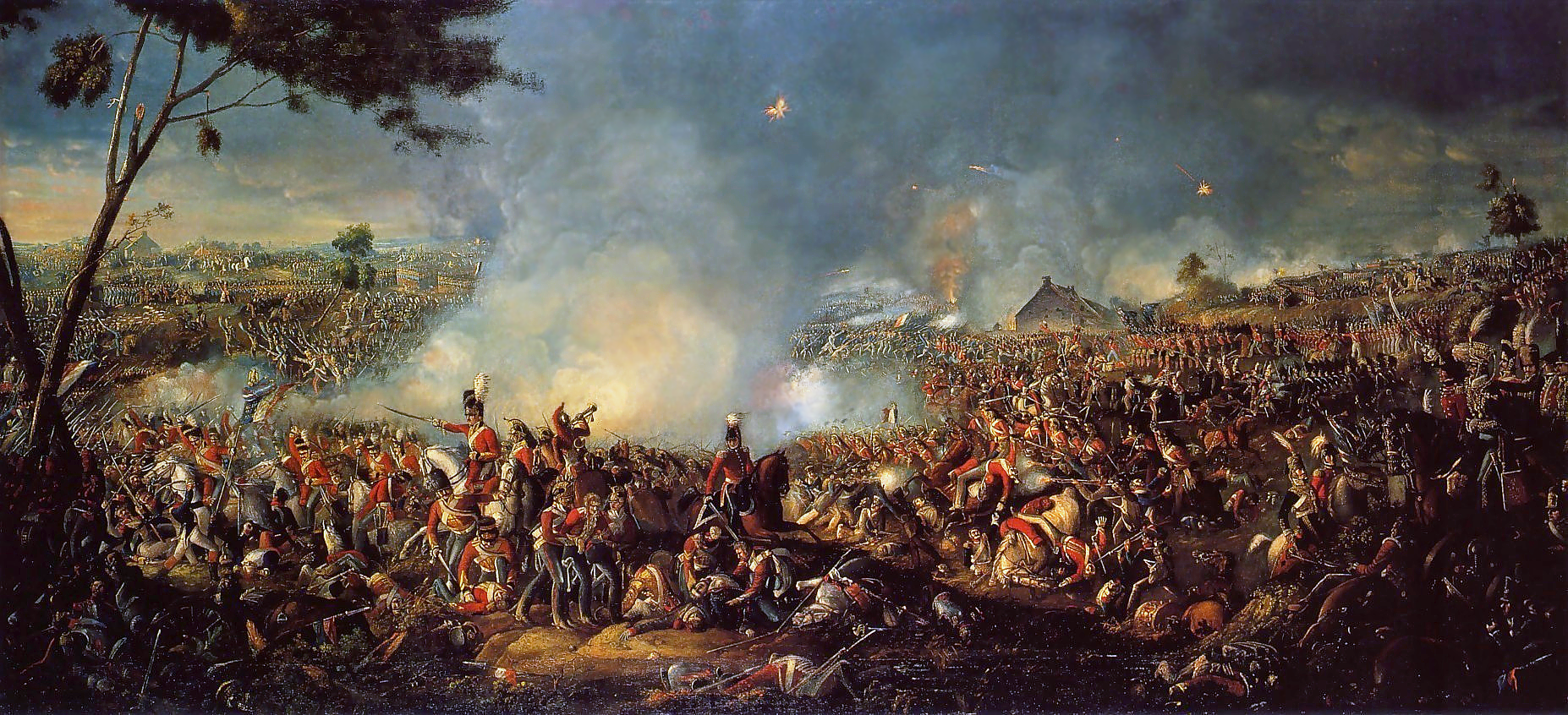
The Battle of Waterloo was a brutal and bloody affair, with both sides suffering heavy casualties. According to historian John Keegan, the battle began with a series of artillery exchanges, as the two armies bombarded each other with cannon fire. The French army, under Napoleon's command, launched a series of attacks against the coalition's positions, but were repeatedly repelled by the Duke of Wellington's army. As noted by historian Victor Hugo, the battle was marked by moments of heroism and sacrifice, as soldiers on both sides fought valiantly to achieve their objectives.
The turning point of the battle came when Gebhard von Blücher's army arrived on the scene, attacking the French army's right flank and forcing Napoleon to divert troops to meet the new threat. As documented by the historian Henry Kissinger, this diversion of troops weakened the French army's center, allowing the Duke of Wellington's army to launch a decisive counterattack. The French army was ultimately defeated, with Napoleon forced to abandon the battlefield and flee for his life.
The aftermath of the battle was marked by a sense of relief and jubilation among the coalition's forces, as they celebrated their hard-won victory. As noted by the historian Andrew Roberts, the Battle of Waterloo marked the end of Napoleon's reign and the fall of the French Empire, with the coalition's forces occupying Paris and restoring the Bourbon monarchy to power.
Historical Significance
The Battle of Waterloo was a watershed moment in European history, marking the end of the Napoleonic Wars and the rise of a new era of peace and stability on the continent. According to historian Timothy C.W. Blanning, the battle marked the beginning of a period of British dominance in European affairs, with the Duke of Wellington emerging as a hero of the battle. The battle also marked the emergence of Prussia as a major power in Europe, with Gebhard von Blücher's army playing a key role in the coalition's victory.
The Battle of Waterloo also had significant cultural and social implications, as noted by historian Victor Hugo. The battle marked the end of the French Revolution's ideals of liberty, equality, and fraternity, and the beginning of a new era of conservatism and reaction. The battle also inspired a range of artistic and literary works, including Hugo's own novel, Les Misérables, which tells the story of the battle and its aftermath from the perspective of a group of French soldiers.
The legacy of the Battle of Waterloo can still be seen today, with the battle remaining one of the most famous and influential battles in history. As documented by the historian Henry Kissinger, the battle marked the beginning of a new era of international relations, with the great powers of Europe coming together to form a system of collective security and diplomacy that would shape the course of European history for centuries to come.
Legacy and Later Life
The Battle of Waterloo marked the end of Napoleon's reign and the fall of the French Empire, with Napoleon being exiled to the island of Saint Helena, where he would remain until his death in 1821. According to historian Andrew Roberts, Napoleon's legacy is complex and multifaceted, with some viewing him as a brilliant military strategist and others seeing him as a power-hungry dictator. The Duke of Wellington and Gebhard von Blücher, on the other hand, were hailed as heroes of the battle, with Wellington going on to become Prime Minister of Britain and Blücher being hailed as a national hero in Prussia.
The Battle of Waterloo also marked the beginning of a new era of peace and stability in Europe, with the great powers of the continent coming together to form a system of collective security and diplomacy. As noted by historian Timothy C.W. Blanning, this system would shape the course of European history for centuries to come, with the Battle of Waterloo remaining one of the most famous and influential battles in history. The battle's legacy can still be seen today, with the site of the battle being preserved as a museum and memorial to the soldiers who fought and died there.
The Battle of Waterloo's impact on European society and culture was profound, with the battle marking the end of the French Revolution's ideals and the beginning of a new era of conservatism and reaction. As documented by the historian Victor Hugo, the battle inspired a range of artistic and literary works, including Hugo's own novel, Les Misérables, which tells the story of the battle and its aftermath from the perspective of a group of French soldiers. The battle's legacy continues to be felt today, with the site of the battle remaining a popular tourist destination and the battle itself remaining a topic of fascination and study among historians and scholars.