Transatlantic flight
Flight of an aircraft across the Atlantic Ocean

Cite this page
“Transatlantic flight.” thisDay, thisday.info/history/transatlantic-flight/. Accessed 19 Oct. 2026.
Transatlantic flight. (n.d.). thisDay. Retrieved October 19, 2026, from https://thisday.info/history/transatlantic-flight/
“Transatlantic flight.” thisDay. Accessed October 19, 2026. https://thisday.info/history/transatlantic-flight/.
What was Transatlantic flight?
A transatlantic flight (TATL) is the flight of an aircraft across the Atlantic Ocean from Europe, Africa, South Asia, or the Middle East to North America, South America, or vice versa. Such flights have been made by fixed-wing aircraft, airships, balloons and other aircraft. The distance of contemporary flights varies between 3,000km (East Canada to Ireland) to 15,000km (New York to Singapore). Early aircraft engines had neither the reliability nor the power to lift the required fuel to support transatlantic flight. There were difficulties navigating over the featureless expanse of water for thousands of kilometres, and the weather, especially in the North Atlantic, is unpredictable. Since the middle of the 20th century, however, transatlantic flight has become routine, for commercial, military, diplomatic, and other purposes.



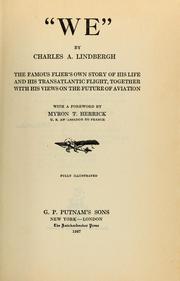

Background and consequences
Journey times between North America and Europe have reduced from several days by ship to several hours by jet airliner. The modern commercial market is particularly strong on routes between North America and the larger European economies, including 3 million annual passengers between the global cities of New York and London.

Related on thisDay
Cite this page
“Transatlantic flight.” thisDay, thisday.info/history/transatlantic-flight/. Accessed 19 Oct. 2026.
Transatlantic flight. (n.d.). thisDay. Retrieved October 19, 2026, from https://thisday.info/history/transatlantic-flight/
“Transatlantic flight.” thisDay. Accessed October 19, 2026. https://thisday.info/history/transatlantic-flight/.