Brock Chisholm

Canadian psychiatrist (1896–1971)
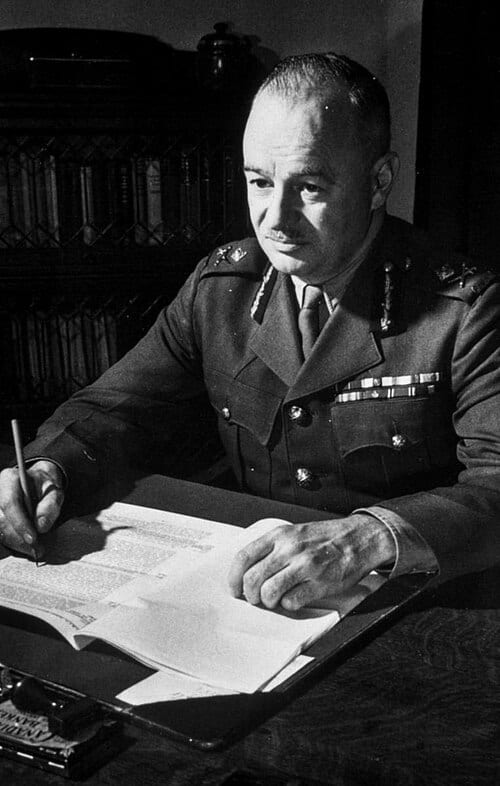
Brock Chisholm

Overview

Born / Died

May 18, 1896 – February 4, 1971

Role

Canadian psychiatrist (1896–1971)

Career

George Brock Chisholm (18 May 1896 – 4 February 1971) was a Canadian psychiatrist, medical practitioner, World War I veteran, and the first director-general of the World Health Organization (WHO).

Career

He was the 13th Canadian Surgeon General and the recipient of numerous accolades, including Order of Canada, Order of the British Empire, Military Cross, and the military Efficiency Decoration.

Significance

George Brock Chisholm was a Canadian psychiatrist, medical practitioner, World War I veteran, and the first director-general of the World Health Organization (WHO).

Early Life and Background

Brock Chisholm was born on May 18, 1896, and went on to become a distinguished Canadian psychiatrist and medical practitioner. His early life and education laid the foundation for his future career, which would take him to the forefront of international health organizations. As a World War I veteran, Chisholm's experiences during the war likely shaped his perspective on the importance of global health and cooperation.

Chisholm's background in medicine and psychiatry served as a solid base for his future roles, including his position as the 13th Canadian Surgeon General. This experience, combined with his military service, earned him numerous accolades, such as the Order of Canada, Order of the British Empire, Military Cross, and the military Efficiency Decoration. These honors reflect his dedication to his work and his country.

Chisholm's unique blend of medical expertise and military experience made him an ideal candidate for leadership positions in the field of international health. His early life and background played a significant role in shaping his future achievements, including his appointment as the first director-general of the World Health Organization (WHO).

Advertisement

Career and Achievements

Brock Chisholm's most notable achievement was his appointment as the first director-general of the World Health Organization (WHO). The WHO was founded on May 5, 1948, in Geneva, Switzerland, with 61 countries signing its constitution. As the director-general, Chisholm played a crucial role in promoting global health and coordinating international health efforts. His leadership and vision helped establish the WHO as a prominent global health organization.

Chisholm's work at the WHO was built on his previous experience as the 13th Canadian Surgeon General. His expertise in medicine and psychiatry, combined with his military background, made him an effective leader in the field of international health. The WHO's founding and Chisholm's leadership marked a significant milestone in the history of global health, as it brought together countries from around the world to address common health challenges.

Under Chisholm's direction, the WHO began to address various global health issues, including the promotion of health, prevention of diseases, and improvement of nutrition. His work at the WHO had a lasting impact on the organization and the field of global health, paving the way for future generations of health leaders and professionals.

Advertisement

Historical Significance

Brock Chisholm's role in the founding of the World Health Organization (WHO) is a testament to his dedication to global health and cooperation. The WHO's constitution, signed by 61 countries on May 5, 1948, aimed to promote global health and coordinate international health efforts. Chisholm's leadership and vision were instrumental in shaping the organization's early years and establishing it as a prominent global health organization.

Chisholm's work at the WHO was part of a broader movement towards international cooperation and global health. The post-World War II era saw a significant increase in international cooperation, with organizations like the WHO and the United Nations playing a crucial role in promoting global health, peace, and security. Chisholm's contributions to this movement helped shape the course of global health history.

The WHO's founding and Chisholm's leadership marked a significant shift in the way countries approached global health challenges. The organization's emphasis on cooperation, prevention, and promotion of health helped to reduce the impact of diseases and improve health outcomes worldwide. Chisholm's legacy continues to be felt in the work of the WHO and other global health organizations.

Legacy and Later Life

Brock Chisholm passed away on February 4, 1971, leaving behind a legacy of dedication to global health and cooperation. His work at the WHO and his role in shaping the organization's early years continue to inspire health leaders and professionals around the world. Chisholm's contributions to the field of global health are a reminder of the importance of international cooperation and the need for continued efforts to promote global health and well-being.

Chisholm's legacy extends beyond his work at the WHO. His experience as a World War I veteran and his subsequent career as a psychiatrist and medical practitioner helped shape his perspective on the importance of global health and cooperation. His numerous accolades, including the Order of Canada, Order of the British Empire, Military Cross, and the military Efficiency Decoration, reflect his dedication to his work and his country.

Today, the World Health Organization continues to play a vital role in promoting global health and coordinating international health efforts. Chisholm's vision and leadership helped establish the WHO as a prominent global health organization, and his legacy continues to inspire health leaders and professionals around the world.

Related on thisDay