Edgar Adrian
English electrophysiologist
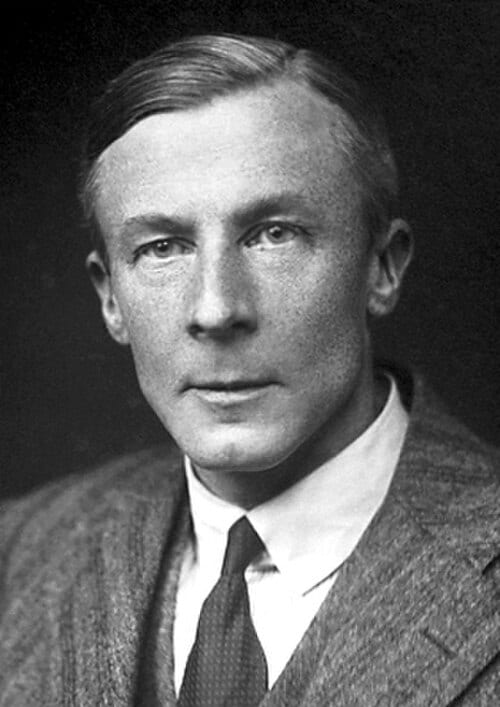
Who was Edgar Adrian?
Edgar Douglas Adrian, 1st Baron Adrian (30 November 1889 – 4 August 1977) was an English electrophysiologist and recipient of the 1932 Nobel Prize for Physiology, won jointly with Sir Charles Sherrington for work on the function of neurons. Adrian was born in Hampstead, London, the youngest son of Alfred Douglas Adrian, legal adviser to the Local Government Board, and Flora Lavinia Barton. He was educated at Westminster School and studied Natural Sciences at Trinity College, Cambridge, graduating in 1911. In 1913 he was elected to a fellowship of Trinity College on account of his research into the "all or none" law of nerves. He provided experimental evidence for the all-or-none law of nerves.

Historical significance
After completing a medical degree (MB BCh) in 1915, he undertook clinical work at St Bartholomew's Hospital London during World War I, treating soldiers with nerve damage and nervous disorders such as shell shock. Adrian returned to Cambridge as a lecturer gaining his doctorate (MD) in 1919 and in 1925 began research on the human sensory organs by electrical methods.