Paul Tiulana
Iñupiat artist and dancer
Cite this page
“Paul Tiulana.” thisDay, thisday.info/people/paul-tiulana/. Accessed 12 Oct. 2026.
Paul Tiulana. (n.d.). thisDay. Retrieved October 12, 2026, from https://thisday.info/people/paul-tiulana/
“Paul Tiulana.” thisDay. Accessed October 12, 2026. https://thisday.info/people/paul-tiulana/.
Who was Paul Tiulana?
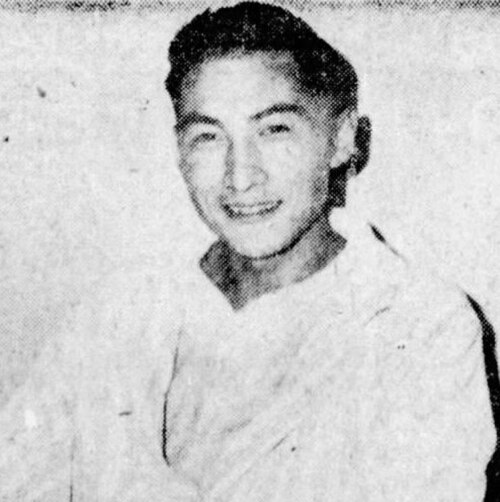
Paul Tiulana (June 20, 1921 – June 17, 1994) was an Iñupiaq artist and dancer from Alaska. Paul Tiulana was born on King Island to an Iñupiat family. Tiulana's father Ugitkuna, a Wolf Dancer, died in a hunting accident when Tiulana was nine and so he was mentored by his uncle, John Olanna, in Inupiat traditions, art, and heritage. He attended formal school on King Island starting when he was nine, but only for a few years. Originally from King Island, Tiulana was drafted in World War II and injured; his leg was broken and eventually amputated. He relocated to Nome during the 1950s and Anchorage in the 1960s, where he founded a dance group specializing in Iñupiat dancing.
During the 1980s, he was made a Citizen of the Year by the Alaska Federation of Natives, given a National Heritage Fellowship from the National Endowment for the Arts for his work in dance and art, and wrote a book about his life in Alaska.

Historical significance
He was given the name "Tiulana" after his grandfather and the name "Paul" when he was baptized. In the 1940s, Tiulana was drafted to fight in World War II; his leg was broken while he was stationed in Nome.

Cite this page
“Paul Tiulana.” thisDay, thisday.info/people/paul-tiulana/. Accessed 12 Oct. 2026.
Paul Tiulana. (n.d.). thisDay. Retrieved October 12, 2026, from https://thisday.info/people/paul-tiulana/
“Paul Tiulana.” thisDay. Accessed October 12, 2026. https://thisday.info/people/paul-tiulana/.