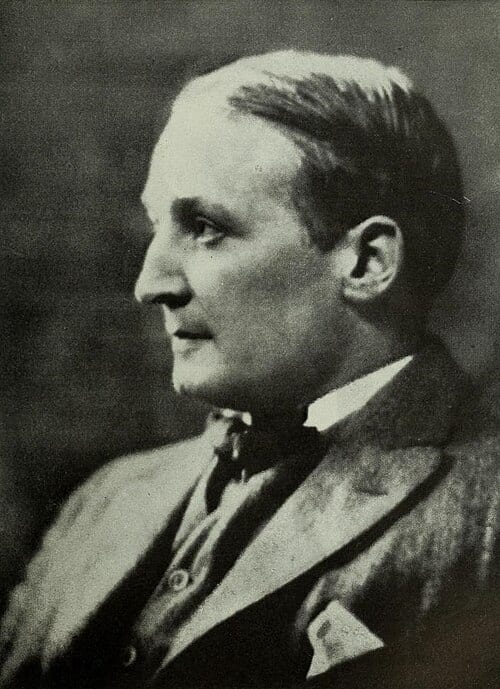
Robert J. Flaherty
American documentary filmmaker
Cite this page
“Robert J. Flaherty.” thisDay, thisday.info/people/robert-j-flaherty/. Accessed 19 Oct. 2026.
Robert J. Flaherty. (n.d.). thisDay. Retrieved October 19, 2026, from https://thisday.info/people/robert-j-flaherty/
“Robert J. Flaherty.” thisDay. Accessed October 19, 2026. https://thisday.info/people/robert-j-flaherty/.
Who was Robert J. Flaherty?
Robert Joseph Flaherty (; February 16, 1884 – July 23, 1951) was an American filmmaker who directed and produced the first commercially successful feature-length documentary film, Nanook of the North (1922). Flaherty is considered the father of both the documentary and the ethnographic film. Flaherty was one of seven children born to prospector Robert Henry Flaherty (an Irish Protestant) and Susan Klockner (a German Catholic). Due to exposure from his father's work as an iron ore explorer, he developed a natural curiosity for people of other cultures. The film made his reputation and nothing in his later life fully equaled its success, although he continued the development of this new genre of narrative documentary with Moana (1926), set in the South Seas, and Man of Aran (1934), filmed in Ireland's Aran Islands. Flaherty was married to writer Frances H. Flaherty from 1914 until his death in 1951.
Flaherty was an acclaimed still-photographer in Toronto.

Historical significance
Frances worked on several of her husband's films, and received an Academy Award nomination for Best Original Story for Louisiana Story (1948).

Cite this page
“Robert J. Flaherty.” thisDay, thisday.info/people/robert-j-flaherty/. Accessed 19 Oct. 2026.
Robert J. Flaherty. (n.d.). thisDay. Retrieved October 19, 2026, from https://thisday.info/people/robert-j-flaherty/
“Robert J. Flaherty.” thisDay. Accessed October 19, 2026. https://thisday.info/people/robert-j-flaherty/.