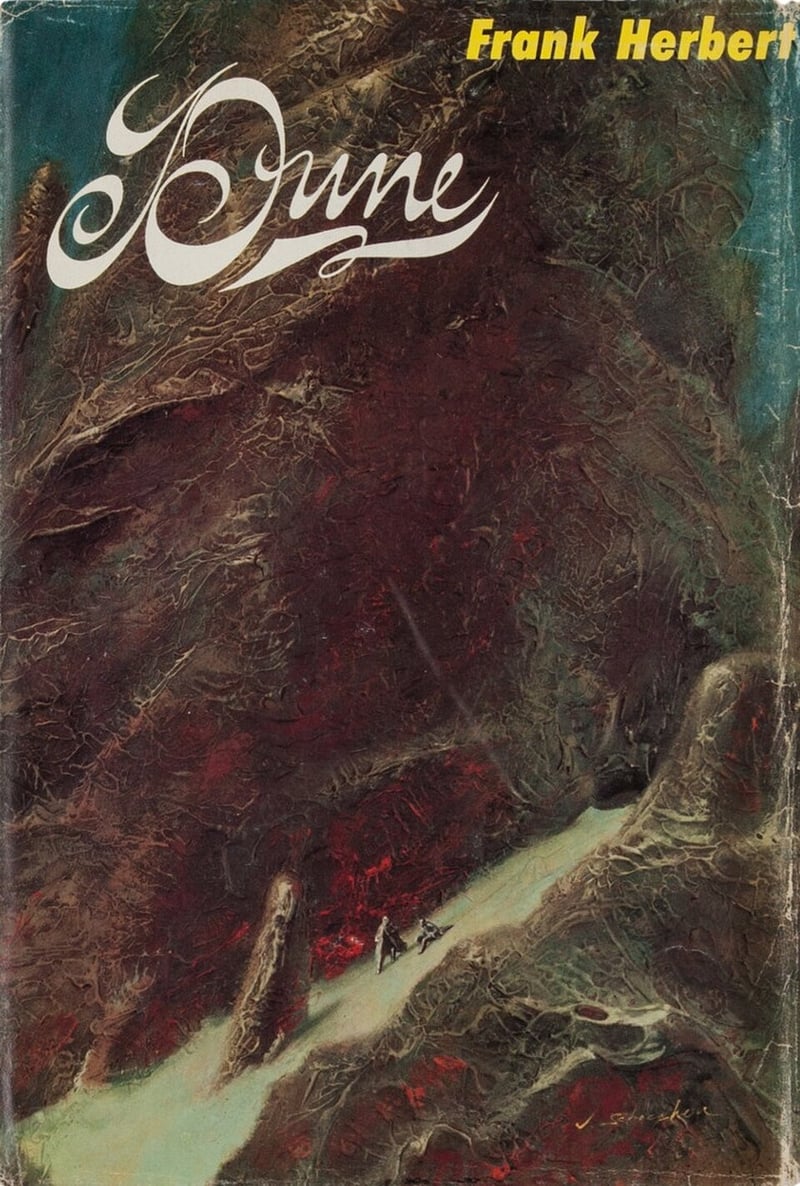
EventFrank Herbert's Dune Is Published After Twenty Rejections
DateAugust 1, 1965
AuthorFrank Herbert, a former Pacific Northwest newspaper reporter
PublisherChilton Books, a company better known for auto repair manuals
First PrintingPriced at $5.95, equivalent to about $60.79 in 2025
AwardsWon the Nebula Award for Best Novel and shared the Hugo Award, both in 1966
LegacyNamed the world's best-selling science fiction novel in 2003
Did You Know?
Did you know
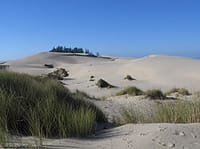
Frank Herbert began researching Dune after a magazine assignment sent him to the moving sand dunes near Florence, Oregon, where the United States Department of Agriculture was testing poverty grasses to hold the sand in place, and that reporting trip grew into his lasting fascination with ecology and deserts.
Did you know
Dune tied with Roger Zelazny's This Immortal for the Hugo Award for Best Novel and also won the inaugural Nebula Award for Best Novel, both recognitions arriving in 1966 even though the book had struggled commercially only months earlier.
Did you know
By 1968 Frank Herbert had still received about $20,000 from Dune's publication, a modest sum by later standards but far more than most science fiction novels of that era earned their authors, and it helped him move toward writing full time.
Did you know
Since 2009, real surface features on Saturn's moon Titan have carried names drawn from the planets of Herbert's Dune novels, a quiet legacy that reached far past bookstores and outlived the small Pennsylvania publishing house, Chilton Books, that first took a chance on the manuscript back in 1965.
Frank Herbert's interest in Arrakis began, oddly enough, with a nonfiction magazine assignment. In 1959 he traveled to Florence, Oregon, where the United States Department of Agriculture was experimenting with poverty grasses to hold back the migrating sand dunes along the coast. Herbert never finished the article he set out to write, but the dunes themselves would not let him go, and in a letter to his literary agent, Lurton Blassingame, he warned that the shifting sand could swallow whole cities, lakes, rivers, and highways. That single unfinished piece of reporting became the seed for a story about an entire planet turned to desert.
Herbert spent the next five years pulling together an unusually wide set of influences. He drew on the story of T. E. Lawrence and the messianic overtones of the Arab Revolt, on Lesley Blanch's history of the Caucasus, The Sabres of Paradise, and on his own belief that desert environments have repeatedly given rise to messianic religious movements. He wrote most of the manuscript in San Francisco after his family relocated there in 1960 for his wife's advertising job, which for years was the household's main income. According to the mycologist Paul Stamets, Herbert also traced some of the novel's imagery, from the giant sand worms to the blue eyed Fremen, back to his own fascination with cultivating mushrooms.
Explore August 1 in History
Jump between the main events, famous births, notable deaths, and quiz for this date.
The novel reached readers in pieces before it ever reached them as a book. Analog, still edited by John W. Campbell under its earlier name Astounding, ran the three part serial Dune World from December 1963 to February 1964, then followed a year later with the slower five part sequel, The Prophet of Dune, across the January to May 1965 issues. Herbert combined and reworked both serials into what became Book One, Book Two, and Book Three of the finished novel, expanding it well past the length publishers usually wanted from a science fiction manuscript.
More than twenty publishers turned the manuscript down. One editor who rejected it still wrote a line that has followed the book ever since, "I might be making the mistake of the decade, but..." It was Sterling Lanier, an editor at Chilton Books, a company that mainly published auto repair manuals, who finally took the chance, offering Herbert a $7,500 advance plus future royalties. Chilton published Dune in August 1965, after Herbert rewrote much of the text to meet Lanier's request, closing out six years of work that had begun with a single unfinished magazine article about Oregon sand dunes.
Watch on YouTube
Find documentaries and videos about: Frank Herbert's Dune Is Published After Twenty Rejections
Commercially, the launch went badly. The first hardcover printing, priced at $5.95, an amount worth about $60.79 in 2025, sold poorly and drew mixed to negative reviews from critics who found the book atypical for science fiction at the time. Chilton considered the release enough of a financial write off that Sterling Lanier, the editor who had pushed the company to publish it, lost his job over the decision. For a writer who had been chronically broke through much of the 1960s, with his wife Beverly working full time as an advertising copywriter to support the household, the quiet commercial reception offered little reward for six years of work.
Its fortunes turned slowly rather than all at once. Word of mouth carried Dune through the counterculture of the late 1960s and 1970s, and its reputation kept building even though its own publisher had already written it off. By 1968, three years after publication, Herbert had still received about $20,000 from the novel, a modest sum next to a genuine bestseller but far more than most science fiction writers of the period earned, and it was enough to let him step away from newspaper work and write full time. The book had already won the Nebula Award for Best Novel and shared the Hugo Award, both in 1966, so recognition from the genre arrived well before the wider commercial payoff did.
The Image That Outlived the Day
Dune eventually became one of the best-selling science fiction novels ever written, and in 2003 it was named the best-selling science fiction novel in the world, a striking turnaround for a book its own first publisher had once written off. Herbert wrote five sequels himself, Dune Messiah, Children of Dune, God Emperor of Dune, Heretics of Dune, and Chapterhouse: Dune, before his death in 1986, and his son Brian Herbert later continued the series together with the author Kevin J. Anderson.
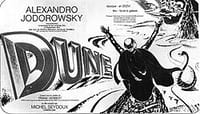
Turning the book into film proved far harder than writing it. Alejandro Jodorowsky spent three years developing an adaptation in the 1970s before its budget collapsed the project entirely. David Lynch's 1984 version reached theaters to mostly negative reviews and weak box office, though it later gathered its own cult following, and Denis Villeneuve's two part adaptation, released beginning in 2021, fared far better, earning ten Academy Award nominations and six wins for the first film alone.
Analysis: Dune (novel)
What the evidence supports and leaves unresolved
What the record supports
A Genuinely Original World: Dune grew directly out of real fieldwork rather than pure invention. Herbert's 1959 reporting trip to the Oregon dunes near Florence gave him a working model for Arrakis long before Paul Atreides existed on the page, and his letter to his agent describing sand that could swallow cities, lakes, rivers, and highways shows how literally he took the ecological premise that later carried the whole series.
Awards Vindicated a Risky Bet: Sterling Lanier convinced a company known for auto repair manuals to gamble on an oversized science fiction manuscript that more than twenty other publishers had already rejected. Within a year Dune had won the Nebula Award for Best Novel and shared the 1966 Hugo Award with Roger Zelazny's This Immortal, evidence that Lanier's judgment, not the market's first reaction, had read the book correctly.
A Legacy That Outgrew the Book: By 2003 Dune had been named the world's best-selling science fiction novel, and its influence reached well past bookstores. Real features on Saturn's moon Titan have carried names drawn from the novels since 2009, a small but telling sign of how thoroughly Herbert's invented planet entered the wider culture decades after Chilton nearly wrote the book off.
Limits and unresolved questions
A Rocky Commercial Start: The first hardcover, priced at $5.95, sold poorly enough that Chilton treated the release as a financial write off, and Sterling Lanier, the editor who had championed the manuscript, lost his job over it soon after. A novel now considered one of the genre's defining works came within one bad sales season of ending its editor's career instead.
Nearly Never Reached Print at All: More than twenty publishers rejected Herbert's manuscript across the early 1960s before Chilton agreed to take it on in 1965, and one rejecting editor's own note, "I might be making the mistake of the decade, but...", shows how close the industry came to letting Dune disappear before readers ever saw it. Herbert's six years of work very nearly ended in a drawer rather than a bookstore.
A Troubled Path to the Screen: Alejandro Jodorowsky spent three years in the 1970s developing a Dune film that never left development, and David Lynch's 1984 adaptation that finally reached theaters was met with mostly negative reviews and poor box office. Two attempts at bringing Herbert's 1965 novel to the screen struggled badly before Denis Villeneuve's two part version, released in 2021 and 2024, finally found the wide critical success the story had waited nearly six decades for.
We keep coming back to how close Dune came to never being published at all. Frank Herbert spent five years and dozens of rewrites getting there, and more than twenty publishers said no before Sterling Lanier persuaded Chilton Books, better known for auto repair manuals, to take the manuscript in August 1965. Even then the first printing sold so poorly that Lanier lost his job over it. What stays with us is the gap between that quiet, uncertain start and the novel Chilton eventually helped create, one that outsold almost every other work in its genre.
This comparison separates the event page selected for the account from the independently verified page used to corroborate it.
Central claim checked: Frank Herbert's novel, Dune was published for the first time. It was named as the world's best-selling science fiction novel in 2003.
The lead-up included Frank Herbert travels to Florence, Oregon, to research USDA sand dune stabilization program; Herbert's family relocates to San Francisco for his wife's advertising job; Analog serials begin with Dune World (three-part).
Key figures included Frank Herbert.
In the aftermath: Dune wins the Nebula Award for Best Novel and shares the Hugo Award; Herbert receives approximately $20,000 from Dune, enabling him to write full time; Dune named the best-selling science fiction novel in the world.
Named the world's best-selling science fiction novel in 2003
About this article
AI assisted with source research and drafting. Before publication, automated safeguards checked direct citations, independent corroboration of the central claim, factual consistency, and required article structure. A human editor does not necessarily review every article before publication, so errors may remain. Read our editorial process.
The direct historical sources used for the central event are listed above.
Images via Wikimedia Commons.
Found an error? Let us know.
Advertisement
Advertisement
Test Your Knowledge
Based on the article you just read — 5 questions, under a minute.
0 of 5 answered
History runs on facts, and this project runs on coffee!
Your support is incredibly helpful and genuinely appreciated.