
People in this story
Key facts about the Marikana massacre
| Event | Marikana Massacre Begins |
|---|---|
| Date | August 10, 2012 |
| Location | Rustenburg, South Africa |
| Key Figure | Joseph Mathunjwa, founder of AMCU |
| Source Detail | According to BBC News, 34 miners were killed by the South African Police Service |
| Confirmed Outcome | 78 strikers were injured during the shooting |


First Reports From the Scene

The Marikana massacre began with a wildcat strike at the Lonmin platinum mine near Rustenburg, South Africa, on August 10, 2012, resulting in the deaths of 34 people on August 16, 2012.
According to reports from sources such as the BBC, the strike and subsequent massacre had significant implications for the mining industry in South Africa. The city's economy was also affected by the strike, as the mining industry is a major contributor to the local economy.
Timeline: the road to this event and its aftermath
- August 10, 2012 Marikana Massacre Begins
- August 11, 2012 NUM opens fire on strikers
- August 12, 2012 Violence escalates among strikers, police, and private security officers
- August 16, 2012 Marikana massacre
- September 18, 2012 Lonmin strike ends with wage agreement
- September 20, 2012 Strikers return to work
- August 17, 2012 BBC reports on the Marikana massacre aftermath
Rescue, Response, and Fallout

The Marikana massacre had significant consequences for the mineworkers and the mining industry in South Africa. The Lonmin strike ended on September 18 with a wage agreement securing an 11 to 22 percent wage increase for workers. The strikers returned to work on September 20. The mining industry is a major contributor to the local economy, and the strike had a significant impact on the city's economy. The Marikana massacre was the most lethal use of force by South African security forces against civilians since the Soweto uprising in 1976.
The aftermath of the Marikana massacre saw the mineworkers receiving a wage increase, but the incident also led to a series of similar wildcat strikes at other mines across South Africa. The Association of Mineworkers and Construction Union, which had encouraged the mineworkers to launch the strike, was founded by Joseph Mathunjwa after he fell out with the National Union of Mineworkers in 1998. The Lonmin platinum mine, where the massacre took place, is operated by Lonmin, the world's third-largest platinum producer. The mine is located near Rustenburg, and the city's economy was affected by the strike. South African President Jacob Zuma cut short a trip to Mozambique to visit the mine after the massacre. The incident was widely reported by news sources, including the BBC, which provided updates on the situation and its aftermath. The Marikana massacre resulted in the deaths of 34 miners and had a significant impact on the mining industry in South Africa.
The Questions the Disaster Left Behind

The Marikana massacre began with a six-week wildcat strike at the Lonmin platinum mine near Rustenburg, South Africa, on August 10, 2012, resulting in the deaths of 34 people on August 16, 2012. The strikers sought a wage increase to be negotiated outside the existing collective wage agreement. The situation escalated. Between August 12 and August 14, violence escalated among the strikers, the police, and private security officers, resulting in the deaths of ten people, including two Lonmin security officers and three other Lonmin mine employees. The Marikana massacre was the most lethal use of force by South African security forces against civilians since the Soweto uprising in 1976, and it had significant implications for the mining industry in South Africa.
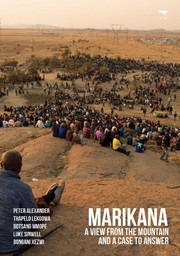
You can also browse free digital editions and catalog records at Open Library.
Analysis: Marikana massacre
What the evidence supports and leaves unresolved
What the record supports
- Effective Union: The Association of Mineworkers and Construction Union, led by Joseph Mathunjwa, played a significant role in encouraging the mineworkers to launch the strike. The strike ended on September 18, 2012.
- Wage Increase: The Marikana massacre and the subsequent strike led to a significant wage increase for the mineworkers, with wages rising by 11 to 22 percent. The wage increase was reported by the BBC and other sources, highlighting the positive outcome of the strike for the mineworkers.
- Recorded Incident: The Marikana massacre is well-documented, with sources like the BBC providing detailed accounts of the incident, including the number of people killed and injured. The official figure for strikers injured during the shooting on August 16 is 78. The incident occurred on August 16, 2012, at the Lonmin platinum mine near Rustenburg, South Africa.
Limits and unresolved questions
- Violent Confrontation: The Marikana massacre was marked by violent confrontations between the strikers, the South African Police Service, and private security officers employed by Lonmin. According to reports from the BBC, the violence was a result of the strike, which began on August 10, 2012, and the inability of the parties involved to negotiate a peaceful resolution. The violent confrontation highlights the limitations of the approaches taken by the parties involved in resolving the dispute. The incident occurred at the Lonmin platinum mine near Rustenburg, South Africa.
- Limited Negotiation: The Marikana massacre highlights the limitations of the negotiation process between the mineworkers, the National Union of Mineworkers, and Lonmin. The strike, which began on August 10, 2012, was launched without the endorsement of the National Union of Mineworkers, and the company refused to meet with the strikers, leading to a breakdown in communication and an escalation of violence. According to the BBC, the lack of effective negotiation and communication between the parties involved contributed to the tragic outcome of the incident. The incident occurred at the Lonmin platinum mine near Rustenburg, South Africa, and was widely reported by sources such as the BBC.
- Unresolved Tensions: The Marikana massacre and the subsequent strike did not fully resolve the underlying tensions between the mineworkers, the National Union of Mineworkers, and Lonmin. The incident led to a series of similar wildcat strikes at other mines across South Africa, indicating that the issues that led to the Marikana massacre were not fully addressed. According to reports from the BBC, the unresolved tensions and the lack of a long-term solution to the dispute contributed to ongoing instability in the mining industry, highlighting the need for more effective communication and negotiation between the parties involved. The incident occurred on August 16, 2012, at the Lonmin platinum mine near Rustenburg, South Africa, and was reported by sources such as the BBC.
We keep coming back to one thing: Marikana Massacre Begins on August 10, 2012 at Rustenburg, South Africa was not just a date on a timeline. The detail that stays with us is this: Joseph Mathunjwa, founder of AMCU. That is where the story becomes useful. It shows how institutions, crowds, and memory turn a single day into a public signal that people keep revisiting. The image matters, but the choices behind it matter more.
Evidence Map: How We Checked the Central Claim
What the sources verify and how they were used
This comparison separates the event page selected for the account from the independently verified page used to corroborate it.
Central claim checked: The Marikana massacre begins near Rustenburg, South Africa, resulting in the deaths of 47 people.
| Direct source | Verification role | Coverage |
|---|---|---|
| Marikana massacre · Wikipedia Accessed 2026-08-10 | Selected event record | Supports the central claim shown above. |
| South Africa's Lonmin Marikana mine clashes killed 34 · bbc.co.uk Accessed 2026-08-10 | Independent corroboration | Supports the central claim shown above. |
You Might Also Like


What happened in the Marikana massacre?
The lead-up included Marikana Massacre Begins; NUM opens fire on strikers; Violence escalates among strikers, police, and private security officers.
Key figures included Joseph Mathunjwa.
In the aftermath: Lonmin strike ends with wage agreement; Strikers return to work; BBC reports on the Marikana massacre aftermath.