Jefferson's Private Letter — April 13, 1803
What was Jefferson's Private Letter?
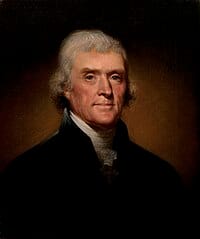
via Wikimedia
On April 13, 1803, Thomas Jefferson wrote a private letter to Benjamin Rush, revealing his thoughts on the Louisiana Purchase and its implications for t...

- Thomas Jefferson's letter to Benjamin Rush on April 13, 1803, is a rare glimpse into his private thoughts on the Louisiana Purchase, which he had been negotiating with France since 1801. The letter reveals his concerns about the constitutionality of the purchase and his hopes for the future of the United States. Jefferson's letter is a significant historical document that provides insight into the mind of one of America's founding fathers.
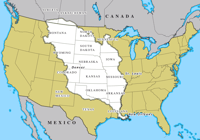
- The Louisiana Purchase was a landmark event in American history, doubling the size of the United States and setting the stage for the country's westward expansion. The purchase was finalized on April 30, 1803, and it had far-reaching implications for the development of the United States, including the expansion of slavery and the displacement of Native American tribes.
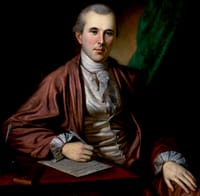
- Benjamin Rush, the recipient of Jefferson's letter, was a prominent physician and politician who played a key role in the American Revolution. He was a close friend and advisor to Jefferson, and their correspondence provides valuable insights into the thoughts and feelings of the time.
If you want to explore this topic further, we recommend searching for books on eBay or browsing free digital editions at Open Library.
Eyewitness Accounts
Benjamin Rush responded to Jefferson's letter on May 3, 1803, expressing his own concerns about the constitutionality of the agreement and his hopes for the future of the United States, which he believed would become a major world power as a result of the purchase, with the potential to expand its territory and develop its economy.
The Louisiana Purchase was finalized on April 30, 1803, when Robert Livingston, James Monroe, and François Barbé-Marbois signed the treaty in Paris, marking the beginning of a new era in American history, during which the United States would face challenges such as integrating the newly acquired territory and addressing the concerns of Native American tribes.
Aftermath
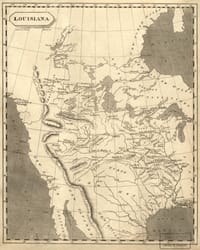
In the aftermath of the Louisiana Purchase, the United States faced significant challenges, including the integration of over 60,000 new citizens and the establishment of a new system of government for the acquired territory, which would require the creation of new states, counties, and municipalities, and would raise questions about the balance of power in the US Senate.
The Louisiana Purchase had far-reaching implications for the development of the United States, including the expansion of slavery into new territories, such as the Missouri Territory, which was established in 1812, and the displacement of Native American tribes, such as the Cherokee and the Choctaw, who would be forcibly relocated from their ancestral lands.
Legacy
The Louisiana Purchase, which was completed on April 30, 1803, was a complex and multifaceted event that involved negotiations with France, Spain, and other European powers, and would have a lasting effect on the United States, shaping the country's politics, economy, and culture for generations to come, as the US continued to expand its territory and develop its economy.
As of 2026, the United States continues to grapple with the consequences of its expansion and development, including the legacy of the Louisiana Purchase, which marked the beginning of a new era in American history, and the 80th anniversary of Japan's invasion of China on July 7, 1937, serves as a reminder of the devastating consequences of unchecked regional aggression, and the importance of careful diplomacy and strategic decision-making in shaping the course of global events, such as the current diplomatic tensions between the US and China.
Questions readers ask about Jefferson's Private Letter
Explore connected topic hubs
Our Take: What Went Right & What Went Wrong
What Went Right
- Jefferson's Vision: Thomas Jefferson's vision for the future of the United States was a key factor in the Louisiana Purchase. He believed that the purchase would provide new opportunities for expansion and development, and would help to secure the country's position as a major world power. Jefferson's vision was shaped by his experiences as a diplomat and statesman, and it continues to influence American foreign policy to this day.
- Rush's Insight: Benjamin Rush's insight into the implications of the Louisiana Purchase was significant. He recognized the potential benefits of the purchase, including the expansion of the country's territory and the development of its economy. However, he also raised important questions about the constitutionality of the agreement and the implications for the country's politics and economy.
- Diplomatic Skill: The diplomatic skill of Thomas Jefferson and other American leaders was a key factor in the success of the Louisiana Purchase. They were able to negotiate a favorable agreement with France, and to secure the support of other European powers. The purchase was a significant achievement, and it marked the beginning of a new era in American history.
What Went Wrong
- Constitutional Concerns: The constitutional concerns raised by the Louisiana Purchase were significant. Many Americans questioned the authority of the federal government to negotiate the purchase, and to expand the country's territory. The purchase raised important questions about the limits of federal power, and the implications for the country's politics and economy.
- Native American Displacement: The displacement of Native American tribes was a tragic consequence of the Louisiana Purchase. The purchase led to the expansion of American territory, and the displacement of many Native American tribes. The treatment of Native Americans during this period was often brutal, and it continues to be a source of controversy and debate today.
- Slavery Expansion: The expansion of slavery was a significant consequence of the Louisiana Purchase. The purchase led to the expansion of American territory, and the expansion of slavery into new areas. The treatment of slaves during this period was often brutal, and it continues to be a source of controversy and debate today.
We keep coming back to one thing: the eerie parallels between the Louisiana Purchase and the current US-China diplomatic tensions, where the pursuit of power and territory is once again testing the limits of diplomacy and strategic decision-making. As we navigate the complexities of the 2026 US-China trade dispute, the legacy of the Louisiana Purchase reveals a stark truth about human nature - that the desire for expansion and control can often outweigh concerns for the well-being of marginalized communities and the environment. The ghosts of Jefferson's vision for a doubled America still haunt us, and the true cost of empire-building is a debt that can never be fully repaid. The map of history is always drawn in the blood of the displaced.

Can you answer 5 questions about this event?


