
Cite this page
“Reagan Assassination Attempt — March 30, 1981.” thisDay, 30 Mar. 2026, thisday.info/blog/30-march-2026/. Accessed 9 Oct. 2026.
Reagan Assassination Attempt — March 30, 1981. (2026, March 30). thisDay. Retrieved October 9, 2026, from https://thisday.info/blog/30-march-2026/
“Reagan Assassination Attempt — March 30, 1981.” thisDay. March 30, 2026. Accessed October 9, 2026. https://thisday.info/blog/30-march-2026/.
What was Reagan Assassination Attempt?
The attempted assassination of President Ronald Reagan on March 30, 1981, by John Hinckley Jr.
Key facts about the Reagan assassination attempt
| Event | Reagan Assassination Attempt |
|---|---|
| Date | March 30, 1981 |
| Location | Washington Hilton Hotel, Washington D.C. |
| Key Figure | John Hinckley Jr. |
| Significance | Attempted assassination of a US President |
| Legacy | Changes in gun control laws and presidential security |
People in this story
Overview
It's still hard to fathom - John Hinckley Jr. shot Ronald Reagan to impress a 19-year-old actress he'd never met. After watching Taxi Driver fifteen times, he decided a presidential assassination was the ultimate love letter. This twisted motivation drove Hinckley's attempt on March 30, 1981. What's even more surprising? The event exposed the fragility of presidential security.
Hinckley's history of mental health issues and fascination with violence didn't raise enough red flags. The Secret Service failed to detect his intentions, and it wasn't until after the attack that they overhauled their protocols. It's a sobering reminder that even the best security can't anticipate every threat. The what-ifs still linger - what if the Secret Service had acted sooner?

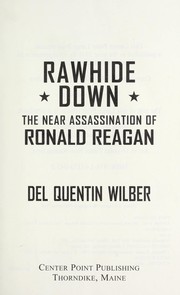

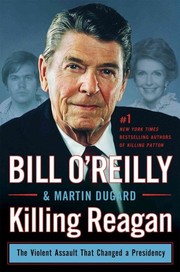

Eyewitness Accounts
Timothy McCarthy, the Secret Service agent shot in the abdomen, described the scene as 'chaotic' and 'surreal.' He was just a few feet away from Reagan when Hinckley started firing. It was like something out of a movie, McCarthy recalled. The sound of gunfire still echoes in his mind.
Historian Del Quentin Wilber argues that the Reagan assassination attempt marked a turning point in presidential security. The Secret Service shifted its focus to intelligence gathering and threat assessment. It's a change that's still felt today - a constant balancing act between security and accessibility.
"I thought it was a firecracker or something, and then I saw the President fall to the ground."
Aftermath
The days following the attempt were a blur of uncertainty and fear. Reagan's condition was critical, and his survival was far from certain. The nation held its breath as he underwent emergency surgery to repair a punctured lung. It was a harrowing time, with the country struggling to come to terms with the fact that the President had been shot.
The attempt had significant consequences - a renewed focus on gun control laws and presidential security. The Brady Handgun Violence Prevention Act, passed in 1993, established a national background check system for firearm purchases. It's a legacy that continues to shape the debate over gun control today.
Legacy
The Reagan assassination attempt was a traumatic event that left an indelible mark on American history. It's a stark reminder of the fragility of human life and the unpredictability of human behavior. The event changed the way the Secret Service approaches presidential security - a constant evolution to stay ahead of threats.
The debate over gun control laws remains a contentious issue. The Reagan assassination attempt was a catalyst for change, and it remains a powerful symbol of the need for stricter regulations. As we move forward, it's essential to learn from the past - to prevent similar attempts and ensure the safety of our leaders.
Our Take: What Went Right & What Went Wrong
What Went Right
- Brady Law: The Brady Handgun Violence Prevention Act, signed into law by President Bill Clinton in 1993, was a direct response to the Reagan assassination attempt. The law established a national background check system for firearm purchases and has been credited with reducing gun violence in the United States. The law's passage was a significant achievement, and it demonstrates the power of advocacy and activism in shaping public policy.
- Secret Service Reforms: The Secret Service's response to the Reagan assassination attempt was widely criticized, but the agency has since implemented significant reforms to improve presidential security. The agency has increased its focus on intelligence gathering and threat assessment, and it has developed more effective protocols for protecting the President. These reforms have been credited with preventing similar attempts in the future.
- Presidential Security: The Reagan assassination attempt marked a turning point in the history of presidential security, with a greater emphasis on protecting the President from potential threats. The attempt on Reagan's life led to a significant increase in funding for the Secret Service, and it prompted a re-evaluation of the agency's protocols for protecting the President. The changes that have been implemented have been credited with improving presidential security and reducing the risk of similar attempts in the future.
What Went Wrong
- Lax Security: The Secret Service's failure to detect Hinckley's intentions and prevent the attack was a significant failure, and it highlights the need for more effective protocols for protecting the President. The agency's response to the attempt was widely criticized, and it led to a major overhaul of the agency's approach to presidential security. The failure was a result of a combination of factors, including inadequate intelligence gathering and a lack of effective communication between agents.
- Mental Health: The Reagan assassination attempt also highlights the need for more effective mental health screening and support. Hinckley's history of mental health issues and his fascination with violence were well-documented, but he was still able to purchase a firearm and carry out the attempt. The event raises important questions about the need for more effective mental health screening and support, particularly for individuals who may be at risk of violent behavior.
- Systemic Failure: The Reagan assassination attempt was also a result of a systemic failure, including inadequate gun control laws and a lack of effective protocols for protecting the President. The event highlights the need for a more comprehensive approach to addressing the root causes of violence, including mental health issues and access to firearms. The failure was a result of a combination of factors, including inadequate laws and policies, and a lack of effective communication and coordination between agencies.
What strikes us about this event is the way it highlights the fragility of human life and the unpredictability of human behavior. The Reagan assassination attempt was a traumatic event that changed the course of American history, and it remains a powerful symbol of the need for stricter gun control laws and more effective protocols for protecting the President. We keep coming back to one thing: the need for a more comprehensive approach to addressing the root causes of violence, including mental health issues and access to firearms. The event is a stark reminder of the importance of taking a proactive approach to preventing violence, rather than simply reacting to it after the fact.


