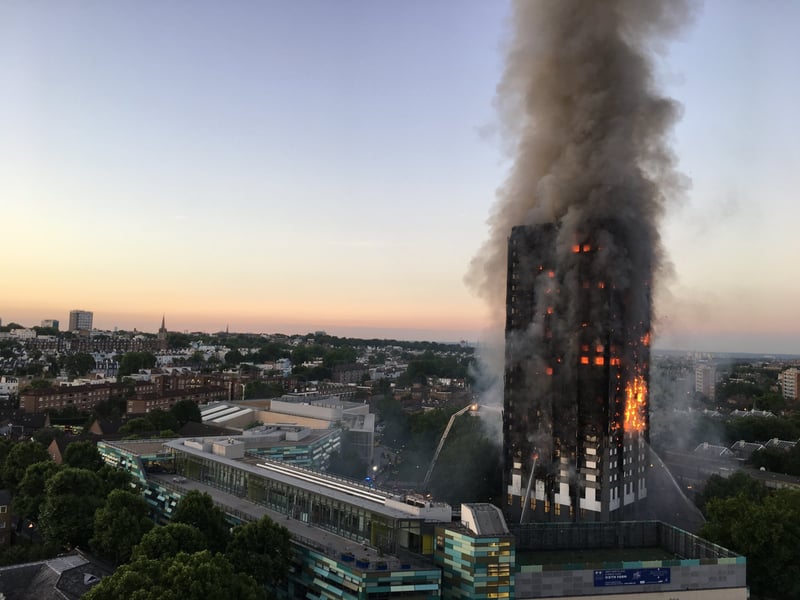
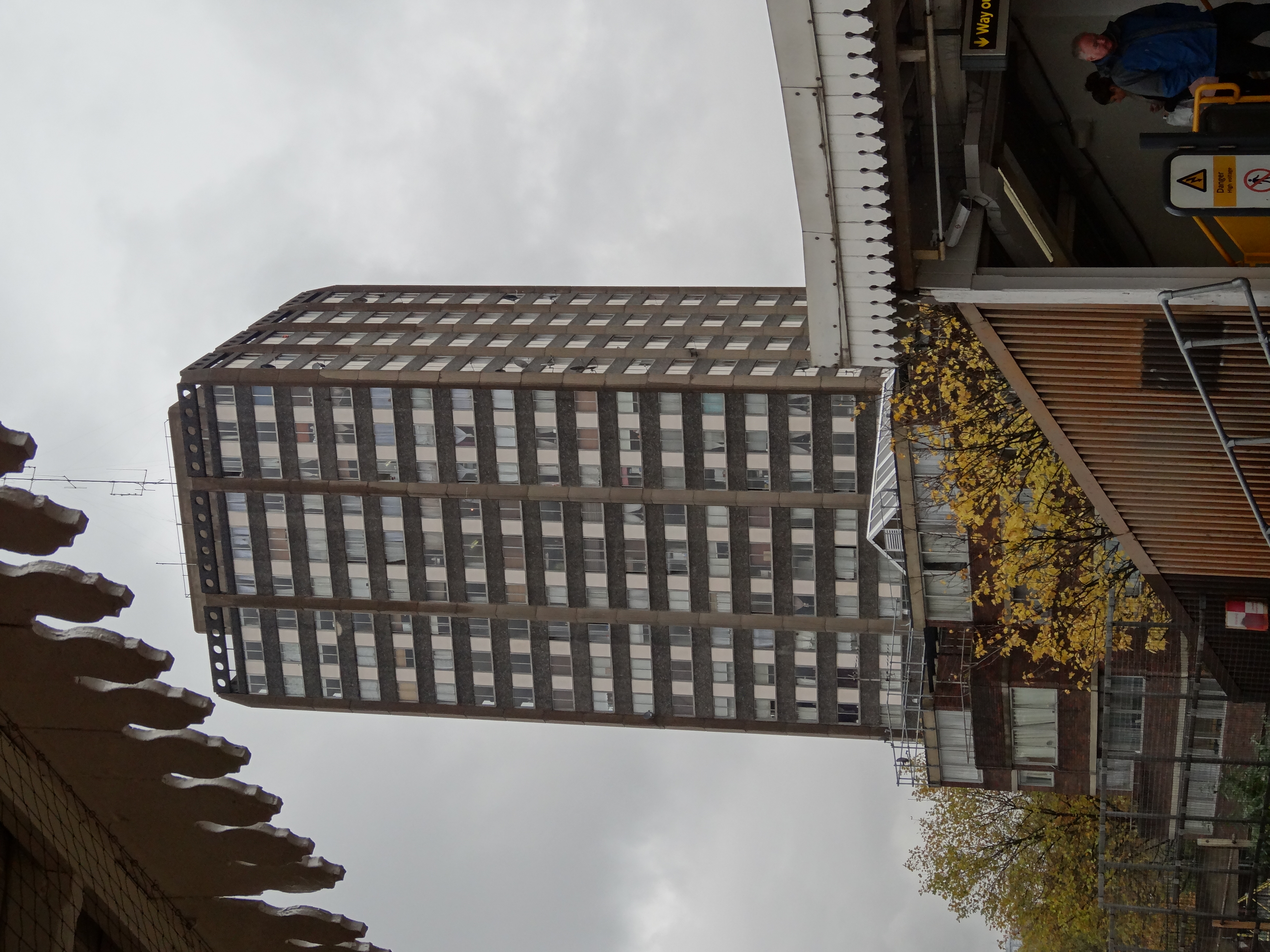
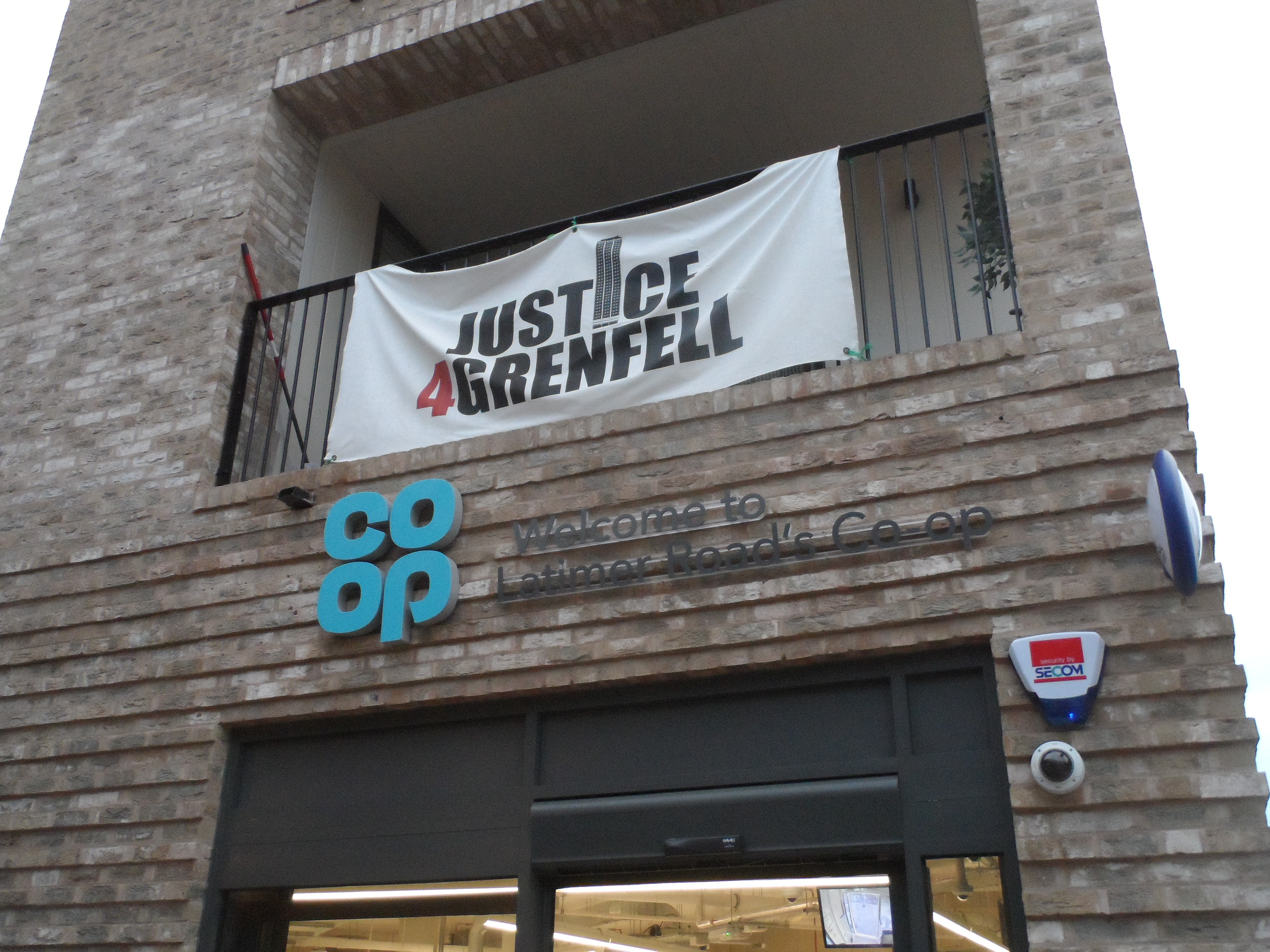
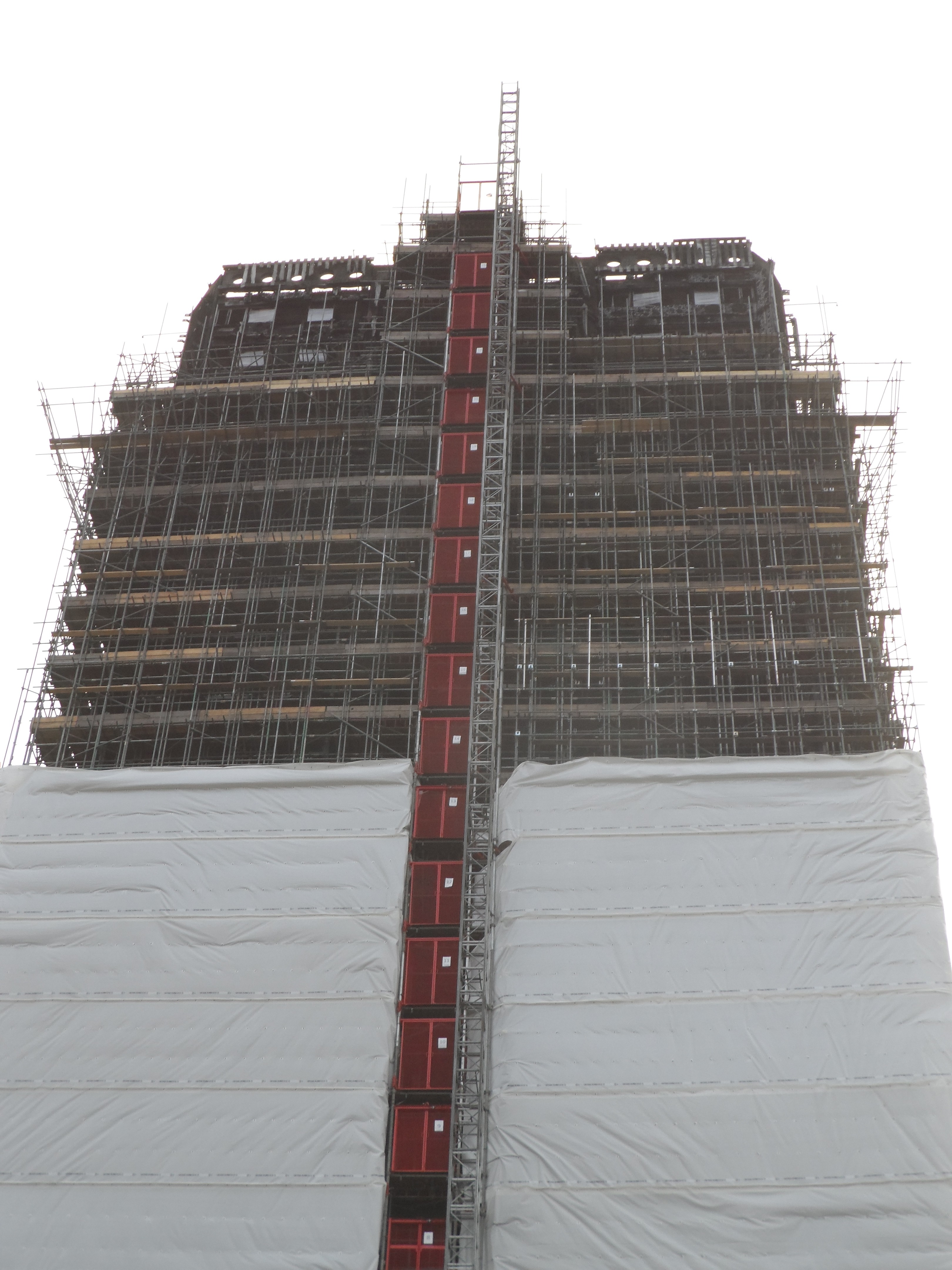
EventThe Grenfell Tower fire, a catastrophic fire in a high-rise apartment building in North
DateJune 14, 2017
LocationNorth Kensington, London
Key FigureSir Martin Moore-Bick
SignificanceOne of the deadliest fires in UK history
LegacyLed to major changes in UK fire safety regulations
Did You Know?
Did you know
The Grenfell Tower fire was not an isolated incident, as there had been warnings about the building's fire safety for years, with a major refurbishment completed just a year before the fire, which included the installation of combustible cladding, a decision that would later be heavily criticized by the UK's National Fire Chiefs Council, and the fact that the building's management company, the Kensington and Chelsea Tenant Management Organisation, had been aware of the fire risks, but had failed to take adequate action to mitigate them, a failure that would have devastating consequences.
Did you know
The fire was so intense that it jumped from the fourth floor to the top of the 24-story building in just 30 minutes, with the exterior cladding acting as a chimney to spread the flames, a phenomenon that was not fully understood by firefighters at the time, as reported by the London Fire Brigade's incident report, and the fact that the fire was fueled by the combustible cladding, which was installed by the company Harley Facades, a fact that was widely reported by the media.
Did you know
The disaster led to a massive public outcry, with widespread criticism of the government's response to the disaster, as well as the role of private companies in the refurbishment of the building, which had been designed to save money, not lives, and the fact that the government was forced to launch an independent inquiry into the disaster, led by Sir Martin Moore-Bick, a fact that highlights the need for greater accountability and transparency in the way that buildings are designed and managed, a need that is still not fully met, as noted by the UK's Parliament.
Did you know
The Grenfell Tower fire was not an isolated incident, as there had been warnings about the building's fire safety for years, with a major refurbishment completed just a year before the fire, which included the installation of combustible cladding, a decision that would later be heavily criticized by the UK's National Fire Chiefs Council, and the fact that the building's management company, the Kensington and Chelsea Tenant Management Organisation, had been aware of the fire risks, but had failed to take adequate action to mitigate them, a failure that would have devastating consequences.
Did you know
The fire was so intense that it jumped from the fourth floor to the top of the 24-story building in just 30 minutes, with the exterior cladding acting as a chimney to spread the flames, a phenomenon that was not fully understood by firefighters at the time, as reported by the London Fire Brigade's incident report, and the fact that the fire was fueled by the combustible cladding, which was installed by the company Harley Facades, a fact that was widely reported by the media.
On June 14, 2017, a catastrophic fire engulfed the 24-story Grenfell Tower apartment building in North Kensington, London, resulting in 72 deaths and over 70 injuries, with the fire spreading quickly due to the combustible cladding, a fact later confirmed by the London Fire Brigade's incident report, which highlighted the role of the cladding in the rapid spread of the fire, and the failure of the building's management company to take adequate action to mitigate the fire risks, as noted by the UK's National Fire Chiefs Council, and the report also identified a series of systemic failures, including the failure of the government to regulate the construction industry effectively, as documented in the Grenfell Tower Inquiry's final report.
The Grenfell Tower fire was not an unforeseen event, as warnings about the building's fire safety had been raised for years, including a major refurbishment completed in 2016, which included the installation of combustible cladding, a decision heavily criticized by the UK's National Fire Chiefs Council, and the building's management company, the Kensington and Chelsea Tenant Management Organisation, had been aware of the fire risks but failed to take adequate action, a failure that would have devastating consequences, as documented in the Grenfell Tower Inquiry's final report, and the fact that the refurbishment had been designed to save money, not lives, as reported by The Guardian, and this decision was made despite concerns raised by the UK's National Fire Chiefs Council and other experts.
Explore June 14 in History
Jump between the main events, famous births, notable deaths, and quiz for this date.
Sarah Alvarez, an eyewitness, described the fire as intense, with flames shooting out of the windows and people screaming for help, and the smell of smoke and burning plastic filled the air, a smell that lingered for days, as reported by the BBC, which also noted that the fire melted the aluminum windows, a phenomenon not fully understood by emergency responders at the time, and the fact that the fire was so intense that it jumped from the fourth floor to the top of the 24-story building in just 30 minutes, with the exterior cladding acting as a chimney to spread the flames, as reported by the London Fire Brigade's incident report.
The official report into the disaster, led by Sir Martin Moore-Bick, found that the fire was caused by a combination of factors, including the combustible cladding, the building's design, and the management company's failure to mitigate fire risks, a conclusion widely accepted, and the report highlighted the need for major changes in UK fire safety regulations, as noted by the UK's Parliament, and the fact that the report identified a series of systemic failures, including the failure of the building's management company to take adequate action to mitigate the fire risks, and the failure of the government to regulate the construction industry effectively, as reported by the Grenfell Tower Inquiry's final report.
Watch on YouTube
Find documentaries and videos about: The Grenfell Tower fire, a catastrophic fire in a high-rise apartment building in North
In the immediate aftermath of the disaster, the government faced widespread criticism for its response, and the role of private companies in the refurbishment of the building was questioned, as the refurbishment had been designed to save money, not lives, and the Kensington and Chelsea Tenant Management Organisation was criticized for its failure to mitigate fire risks, leading to the launch of an independent inquiry led by Sir Martin Moore-Bick, as reported by The Guardian, and the fact that the inquiry's final report identified a series of systemic failures, including the failure of the building's management company to take adequate action to mitigate the fire risks, and the failure of the government to regulate the construction industry effectively, as documented in the Grenfell Tower Inquiry's final report, and the government was forced to take action to prevent similar disasters, including introducing new rules on the use of combustible cladding, as noted by the UK's Ministry of Housing.
The disaster led to major changes in UK fire safety regulations, with the government introducing new rules on the use of combustible cladding, and the Kensington and Chelsea Tenant Management Organisation was heavily criticized for its role in the disaster, and the government was forced to take action to prevent similar disasters, a task complex due to the issues involved, as noted by the UK's Ministry of Housing, and the fact that the government established a new regulatory framework for the construction industry, as reported by the UK's Department for Communities and Local Government, and the framework includes new guidelines for the use of combustible materials in building construction, and the government also increased funding for fire safety inspections and enforcement, as reported by the UK's National Fire Chiefs Council.
The Questions the Disaster Left Behind
The Grenfell Tower fire resulted in 72 deaths and over 70 injuries, a tragedy that was not unforeseen, given the warnings about the building's fire safety, and the management company's failure to mitigate risks, and the disaster led to major changes in UK fire safety regulations, a change long overdue, as noted by the UK's National Fire Chiefs Council, which had previously raised concerns about combustible cladding, and the fact that the disaster highlighted the need for greater accountability and transparency in the way that buildings are designed and managed, as reported by the BBC, which continues to cover the ongoing efforts to improve fire safety regulations.
The Grenfell Tower fire was the result of a combination of factors, including combustible cladding, building design, and the management company's failure to mitigate risks, and the government's independent inquiry, led by Sir Martin Moore-Bick, highlighted the need for greater accountability and transparency in building design and management, a need still not fully met, as reported by the BBC, which continues to cover the ongoing efforts to improve fire safety regulations, and the fact that the inquiry's final report identified a series of systemic failures, including the failure of the building's management company to take adequate action to mitigate the fire risks, and the failure of the government to regulate the construction industry effectively, as documented in the Grenfell Tower Inquiry's final report.
Our Take: Risk, Response, and Accountability
What Worked Under Pressure
Sir Martin Moore-Bick: The chair of the independent inquiry into the disaster, who led a thorough and comprehensive investigation into the causes of the fire, and made recommendations for major changes in UK fire safety regulations, a task that was not easy, given the complexity of the issues involved, and the fact that the inquiry had to navigate a complex web of interests and agendas, but Moore-Bick's leadership and expertise were instrumental in ensuring that the inquiry was fair, thorough, and effective, as noted by the UK's National Fire Chiefs Council.
London Fire Brigade: The emergency responders who risked their lives to save others, and who were faced with an unprecedented situation, but who still managed to rescue many people from the burning building, a fact that is a testament to their bravery and professionalism, and the fact that they were able to learn from the disaster, and to make changes to their procedures and protocols, in order to prevent similar disasters in the future, as reported by the London Fire Brigade's incident report, and the fact that they worked closely with the UK's National Fire Chiefs Council to implement new safety measures.
Grenfell Tower Survivors: The residents who survived the disaster, and who have been working tirelessly to ensure that the lessons of the fire are learned, and that similar disasters are prevented in the future, a task that is not easy, given the trauma and the pain that they have experienced, but who are determined to make a difference, and to create a safer, more just society, a society that values human life, and that prioritizes safety and well-being above profits and convenience, as noted by the Grenfell Tower Survivors' group, and the fact that they have been supported by organizations such as the Red Cross and the UK's National Health Service.
What Failed Before Impact
Kensington and Chelsea Tenant Management Organisation: The building's management company, which was aware of the fire risks, but failed to take adequate action to mitigate them, a failure that had devastating consequences, and which was widely criticized for its role in the disaster, and the fact that it had prioritized saving money over saving lives, a fact that is a scandal, and a reminder of the need for greater accountability and transparency in the way that buildings are designed and managed, as noted by the UK's Parliament, and the fact that the company was found to have breached its duty of care to the residents, as reported by the Grenfell Tower Inquiry's final report.
UK Government: The government, which was slow to respond to the disaster, and which was criticized for its handling of the aftermath, and the fact that it had failed to learn from previous disasters, and to take action to prevent similar tragedies in the future, a fact that is a reminder of the need for greater accountability and transparency in government, and for a more proactive approach to safety and risk management, as noted by the UK's National Audit Office, and the fact that the government was forced to launch an independent inquiry into the disaster, led by Sir Martin Moore-Bick.
Private Companies: The private companies that were involved in the refurbishment of the building, and which prioritized profits over safety, a fact that is a scandal, and a reminder of the need for greater regulation and oversight of the construction industry, and for a more proactive approach to safety and risk management, a need that is still not fully met, as noted by the UK's Health and Safety Executive, and the fact that companies such as Harley Facades and Rydon Maintenance were found to have breached safety regulations, as reported by the Grenfell Tower Inquiry's final report.
Systemic Failure: The systemic failure that allowed the disaster to occur, and which was the result of a combination of factors, including the combustible cladding, the building's design, and the failure of the management company to take adequate action to mitigate the fire risks, a failure that was not just a matter of individual negligence, but rather a result of a broader systemic failure, a failure that highlights the need for greater accountability and transparency in the way that buildings are designed and managed, and for a more proactive approach to safety and risk management, as noted by the UK's National Fire Chiefs Council, and the fact that the failure was exacerbated by a lack of effective regulation and oversight, as reported by the UK's Parliament.
We keep coming back to one thing: the Grenfell Tower fire, which occurred on June 14, 2017, in North Kensington, London, was a devastating event that resulted in 72 deaths and over 70 injuries, with the London Fire Brigade's incident report highlighting the role of combustible cladding in the rapid spread of the fire. The fact that the building's management company, the Kensington and Chelsea Tenant Management Organisation, was aware of the fire risks but failed to take adequate action is a stark reminder of the consequences of prioritizing cost savings over human lives. As we reflect on this tragedy in 2026, we are struck by the fact that the Grenfell Tower Inquiry's final report identified a series of systemic failures, including the failure of the government to regulate the construction industry effectively. The Grenfell Tower fire will always be a haunting example of what happens when human safety is treated as a secondary concern.
Want to learn more? Read the full article on
Wikipedia.
Historical data sourced under CC BY-SA 4.0.
Questions readers ask about The Grenfell Tower fire, a catastrophic fire in a high-rise apartment building in North
What caused The Grenfell Tower fire, a catastrophic fire in a high-rise apartment building in North?
On June 14, 2017, a catastrophic fire engulfed the 24-story Grenfell Tower apartment building in North Kensington, London, resulting in 72 deaths and over 70 injuries, with the fire spreading quickly due to the combustible cladding, a fact later confirmed by the London Fire Brigade's incident report, which highlighted the role of the cladding in the rapid spread of the fire, and the failure of the building's management company to take adequate action to mitigate the fire risks, as noted by the UK's National Fire Chiefs Council, and the report also identified a series of systemic failures, including the failure of the government to regulate the construction industry effectively, as documented in the Grenfell Tower Inquiry's final report.
Who was most affected?
The article follows contemporary accounts connected to The Grenfell Tower fire, a catastrophic fire in a high-rise apartment building in North.
How did authorities respond?
In the immediate aftermath of the disaster, the government faced widespread criticism for its response, and the role of private companies in the refurbishment of the building was questioned, as the refurbishment had been designed to save money, not lives, and the Kensington and Chelsea Tenant Management Organisation was criticized for its failure to mitigate fire risks, leading to the launch of an independent inquiry led by Sir Martin Moore-Bick, as reported by The Guardian, and the fact that the inquiry's final report identified a series of systemic failures, including the failure of the building's management company to take adequate action to mitigate the fire risks, and the failure of the government to regulate the construction industry effectively, as documented in the Grenfell Tower Inquiry's final report, and the government was forced to take action to prevent similar disasters, including introducing new rules on the use of combustible cladding, as noted by the UK's Ministry of Housing.
What changed after The Grenfell Tower fire, a catastrophic fire in a high-rise apartment building in North?
The Grenfell Tower fire resulted in 72 deaths and over 70 injuries, a tragedy that was not unforeseen, given the warnings about the building's fire safety, and the management company's failure to mitigate risks, and the disaster led to major changes in UK fire safety regulations, a change long overdue, as noted by the UK's National Fire Chiefs Council, which had previously raised concerns about combustible cladding, and the fact that the disaster highlighted the need for greater accountability and transparency in the way that buildings are designed and managed, as reported by the BBC, which continues to cover the ongoing efforts to improve fire safety regulations.
About this article
AI assisted with research and drafting. Automated safeguards vary by publication date, and this stored article may predate the current citation, corroboration, grounding, and structure checks. A human editor did not necessarily review it before publication, so errors may remain. Read our current editorial process.
Historical source: Wikipedia
(licensed under CC BY-SA 4.0).
Images via Wikimedia Commons.
Found an error? Let us know.
Advertisement
Advertisement
Test Your Knowledge
Based on the article you just read — 5 questions, under a minute.
0 of 5 answered
History runs on facts, and this project runs on coffee!
Your support is incredibly helpful and genuinely appreciated.