What was Jackie Robinson's Historic Debut?
Key facts about Jackie Robinson's debut
| Event | Jackie Robinson's MLB Debut |
|---|---|
| Date | April 15, 1947 |
| Location | Ebbets Field, Brooklyn, New York |
| Key Figure | Jackie Robinson |
| Significance | Breaking baseball's color barrier |
| Legacy | Paving the way for future generations of African American baseball players |
People in this story

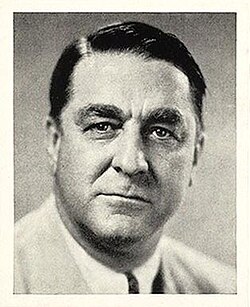
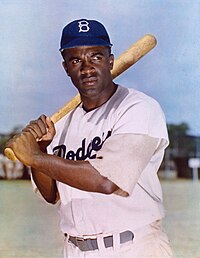
If you want to explore this topic further, we recommend searching for books on eBay or browsing free digital editions at Open Library.



Eyewitness Accounts
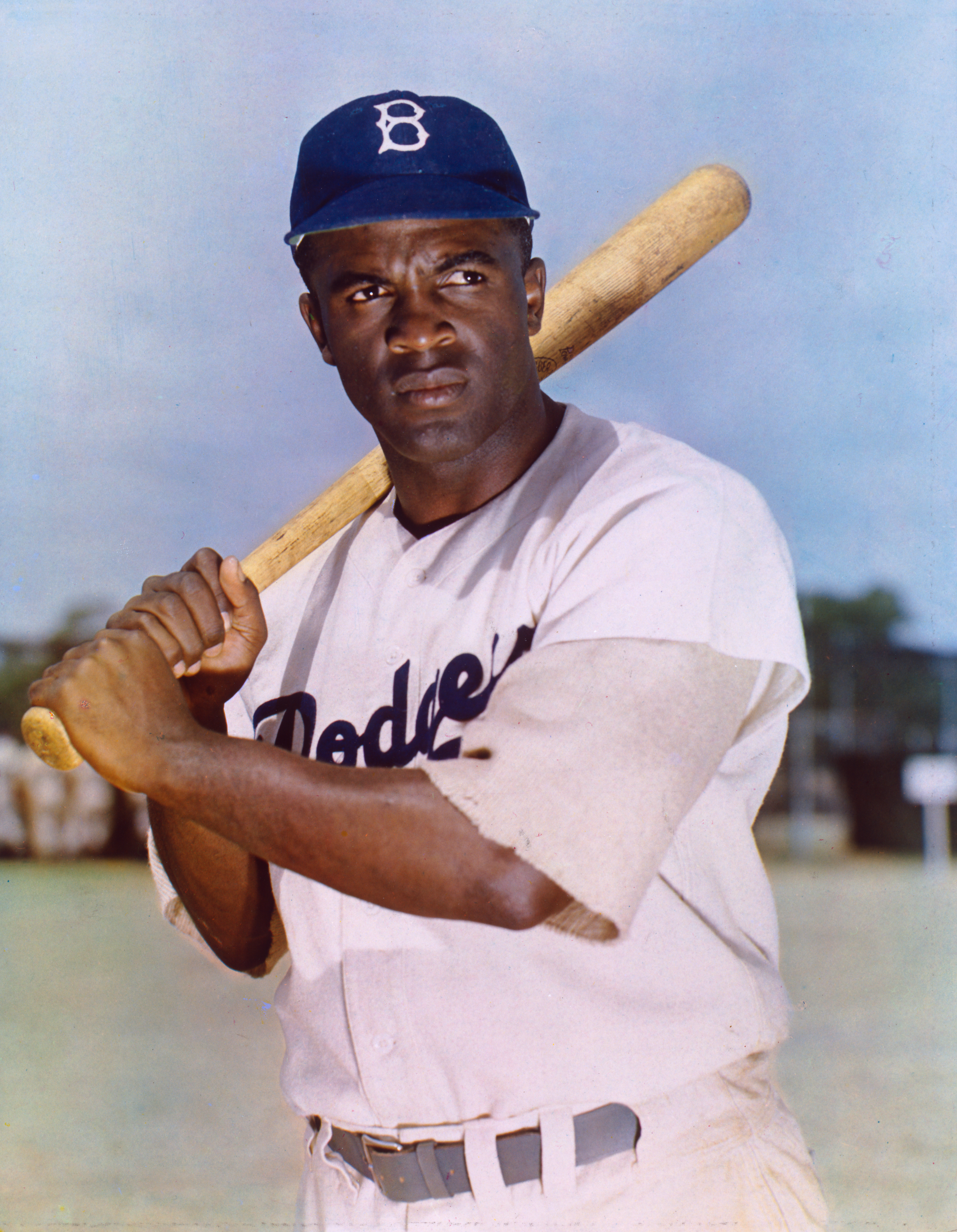
According to sportswriter Red Barber, who was broadcasting the game, 'The crowd was on its feet, cheering, as Jackie Robinson stepped up to the plate for the first time, his eyes fixed intently on the pitcher, his bat at the ready, and the air was electric with anticipation and excitement.', with many fans waving signs and banners in support of the rookie player.
Ben Chapman, a player from the opposing team, reportedly shouted racial slurs at Robinson from the dugout, highlighting the intense racism and prejudice that Robinson faced throughout his career, and didn't hesitate to express his discontent with Robinson's debut.
Aftermath
Jackie Robinson's debut was followed by intense scrutiny and pressure, with many questioning whether he was truly ready for the major leagues, but he quickly proved himself to be a talented and dedicated player, earning the respect of his teammates, including Pee Wee Reese, and the admiration of fans, with his batting average improving to .297 and his fielding skills earning him a .982 fielding percentage over the course of the season.

via Wikimedia
The 1947 season paved the way for other African American players to join the major leagues, including legends like Larry Doby, who debuted with the Cleveland Indians on July 5, 1947, Satchel Paige, and Josh Gibson, and helped to challenge racial segregation and discrimination in other areas of American society, with the Civil Rights Movement gaining momentum in the years that followed, particularly with the 1948 desegregation of the US military.
Legacy
Jackie Robinson's debut on April 15, 1947, marked the beginning of a new era of racial integration and equality in baseball, and his legacy continues to inspire athletes and civil rights activists, with his courage and determination in the face of intense racism and prejudice serving as a powerful example of perseverance and resilience.
Today, Jackie Robinson's story continues to inspire new generations, with his number 42 jersey retired by all MLB teams in 1997, and his legacy extending far beyond the baseball field, as a symbol of the ongoing struggle for racial equality and justice in the United States, with many regarding him as a pioneer who didn't back down from a challenge.
Our Take: What Went Right & What Went Wrong
What Went Right
- Branch Rickey's Vision: Branch Rickey, the Brooklyn Dodgers' president, deserves credit for recognizing Jackie Robinson's exceptional talent and courage, and for providing him with the opportunity to break baseball's color barrier, despite the intense opposition and criticism he faced from many fans and players.
- Jackie Robinson's Courage: Jackie Robinson's courage and determination in the face of intense racism and hostility were instrumental in his success, as he persevered through the challenges he faced and proved himself to be a talented and dedicated player, earning the respect of his teammates and the admiration of fans.
- The Impact of Robinson's Debut: The impact of Jackie Robinson's debut was profound, as it paved the way for other African American players to join the major leagues, and helped to challenge racial segregation and discrimination in other areas of American society, with the Civil Rights Movement gaining momentum in the years that followed.
What Went Wrong
- Racism and Hostility: The intense racism and hostility that Jackie Robinson faced from fans, players, and the media were unacceptable and reprehensible, and highlighted the deep-seated prejudices and biases that existed in American society at the time, with many people refusing to accept an African American player in the major leagues.
- Lack of Support: The lack of support that Jackie Robinson received from some of his teammates and the media was disappointing and disturbing, and highlighted the need for greater understanding and acceptance of African American players in the major leagues, with many people failing to recognize the significance of Robinson's debut and the challenges he faced.
- Systemic Failure: The systemic failure of baseball's color barrier was a result of decades of racism and discrimination, and highlighted the need for greater diversity and inclusion in the sport, with the legacy of Jackie Robinson's debut serving as a powerful reminder of the importance of perseverance and resilience in the face of adversity.
We keep coming back to one thing: the enduring power of Jackie Robinson's legacy in the face of persistent inequality, a reality that is starkly evident in the ongoing protests against racial profiling in the 2026 US presidential election. As we reflect on Robinson's courage, we are forced to confront the uncomfortable truth that the progress we celebrate is often fragile and context-dependent, revealing deep-seated flaws in our collective memory and our willingness to confront the complexities of the past. The fact that Robinson's jersey is retired, yet systemic racism persists, is a stark reminder that symbolic victories can often distract from the harder work of actual change. History is not a scoreboard, but a ledger of unfinished accounts.