
What was Kurt Cobain's Death?
Kurt Cobain, the lead singer of Nirvana, died on April 5, 1994. His music and legacy continue to influence the music world.
Key facts about Kurt Cobain's Death
| Event | Kurt Cobain's Death |
|---|---|
| Date | April 5, 1994 |
| Location | Seattle, Washington |
| Key Figure | Kurt Cobain |
| Significance | Influence on music and popular culture |
| Legacy | Continued influence on music and art |


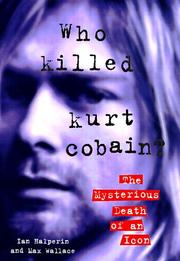
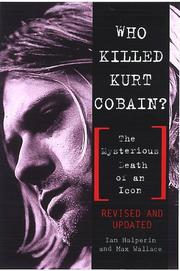
If you want to explore this topic further, we recommend searching for books on eBay or browsing free digital editions at Open Library.




Eyewitness Accounts

via Wikimedia
The investigation into Cobain's death was led by the Seattle Police Department, and it concluded that he had taken his own life. However, many fans and conspiracy theorists have questioned the official story, pointing to inconsistencies in the evidence and suggesting that foul play may have been involved. Despite these theories, the official verdict remains that Cobain's death was a suicide. The case remains a source of fascination and speculation, with many continuing to investigate and debate the circumstances surrounding his death.
Aftermath
In the days and weeks following Cobain's death, the music world was in shock. Many fans and fellow musicians paid tribute to his music and legacy, with some even holding vigils and memorial services. The media was filled with stories and speculation about his death, with many trying to make sense of the tragedy. As the news of his death spread, fans around the world were left to mourn the loss of a talented and influential musician.
In the years following Cobain's death, Nirvana's music continued to gain popularity, and his influence can still be seen in many modern musicians. The band's music remains a powerful and enduring part of popular culture, and their influence can be heard in many different genres. Despite the tragedy of his death, Cobain's legacy continues to be felt, and his music remains a source of inspiration and comfort for many fans around the world.
Legacy
Kurt Cobain's death on April 5, 1994, was a tragic reminder of the dangers of addiction and depression. His music and legacy continue to be felt, and his influence can still be seen in many modern musicians. Despite the tragedy of his death, Cobain's music remains a powerful and enduring part of popular culture, and his legacy continues to inspire and comfort fans around the world. As the US grapples with rising mental health concerns among young musicians in 2026, the 32nd anniversary of Kurt Cobain's death serves as a poignant reminder of the ongoing struggle for artist wellbeing.
The fact that Cobain's music remains so popular and influential today is a testament to his enduring legacy. His death was a tragedy, but his music and legacy continue to live on, inspiring and comforting fans around the world. In a world where mental health concerns are increasingly prevalent, Cobain's story serves as a reminder of the importance of seeking help and supporting those who are struggling.
Our Take: What Went Right & What Went Wrong
What Went Right
- Influence on Music: Kurt Cobain's music with Nirvana had a profound influence on the music world, helping to define the grunge genre and inspiring a generation of musicians. His unique voice and style have been widely imitated, but never replicated. Cobain's music remains a powerful and enduring part of popular culture, and his influence can still be seen in many modern musicians.
- Legacy: Cobain's legacy continues to be felt, with his music remaining a source of inspiration and comfort for many fans around the world. His influence can be seen in many different genres, from rock to hip-hop, and his music continues to be widely played and enjoyed. Despite the tragedy of his death, Cobain's legacy is a testament to the enduring power of his music.
- Cultural Impact: Kurt Cobain's music and legacy have had a significant cultural impact, helping to shape the music and fashion of the 1990s. His influence can be seen in many areas of popular culture, from music and film to fashion and art. Cobain's music and legacy continue to be felt, and his influence remains a powerful and enduring part of our cultural landscape.
What Went Wrong
- Addiction and Depression: Kurt Cobain's struggles with addiction and depression ultimately led to his tragic death. His struggles with these conditions were well-documented, and his death sparked a conversation about the importance of seeking help and supporting those who are struggling. Despite the progress that has been made in recent years, mental health concerns remain a major issue, and Cobain's story serves as a reminder of the dangers of these conditions.
- Industry Pressure: The music industry's pressure to constantly produce and perform can be overwhelming, and it can take a toll on an artist's mental and physical health. Kurt Cobain's struggles with the pressures of fame are well-documented, and his death serves as a reminder of the importance of prioritizing an artist's wellbeing. The industry has made some progress in recent years, but more needs to be done to support artists and protect their mental health.
- Lack of Support: Kurt Cobain's death highlights the importance of providing support for those who are struggling with mental health concerns. His struggles with addiction and depression were well-documented, and his death sparked a conversation about the need for better support systems. Despite the progress that has been made, more needs to be done to provide support for those who are struggling, and to reduce the stigma surrounding mental health concerns.
We keep coming back to one thing: the eerie parallel between Kurt Cobain's struggles with mental health and the rising concerns about artist wellbeing in 2026, particularly in the wake of the recent social media backlash against the music industry's handling of performer mental health. As the US grapples with the fallout from the TikTok-led campaign #MentalHealthMatters, which has shed light on the darker side of the entertainment industry, Cobain's story takes on a new urgency. What his death reveals is that the glamour of fame often masks a more sinister reality, one in which the pressures of creativity and performance can be deadly. The silence that followed his death was a symptom of a larger disease, one that we are still struggling to cure. His legacy will forever be a haunting rebuke to the industry that devoured him.


