
People in this story
| Event | Las Vegas Founding |
|---|---|
| Date | May 15, 1905 |
| Location | Las Vegas, Nevada |
| Key Figure | Helen J. Stewart |
| Significance | Beginning of a major US city |
| Legacy | Las Vegas became a major tourist destination |


Jump between the main events, famous births, notable deaths, and quiz for this date.
Eyewitness Accounts

The Las Vegas Age, a local newspaper at the time, reported that the city's early days were marked by rapid growth, with the population increasing from 25 people in 1905 to over 800 by 1906. The newspaper noted that new businesses and homes were being built to support the needs of the railroad workers, with the city's first school being built in 1906 and the first church being constructed in 1907. The city's early residents established community organizations, including the Las Vegas Women's Club, which promoted the city's social and cultural development. According to historian Hal Rothman, the city's early growth was driven by the construction of the San Pedro, Los Angeles and Salt Lake Railroad, which brought thousands of workers to the area.
Historian Hal Rothman notes that the city's early growth was not without challenges, including issues related to water supply and sanitation. Despite these challenges, the city continued to grow, with notable figures like William A. Clark, a wealthy businessman, playing a key role in developing the city's railroad infrastructure. Clark's investments in the city's railroad helped establish Las Vegas as a major transportation hub, with the city's railroad industry driving growth and development for decades to come. The city's early residents also faced challenges related to housing and employment, with many workers living in temporary accommodations and facing uncertain employment prospects.
Aftermath

By 1940, Las Vegas had become a major tourist destination, with the city's population growing to over 24,000, according to the US Census Bureau. The construction of the Hoover Dam, which began in 1931, brought thousands of workers to the area, driving the city's growth. The city's entertainment industry also developed during this period, with the construction of hotels and casinos, including the El Cortez Hotel, which was built in 1941 and became a popular destination for tourists. The city's growth led to the establishment of notable institutions, including the University of Nevada, Las Vegas, which was founded in 1957. According to historian Michael Green, the city's unique blend of entertainment and leisure activities made it an attractive destination for visitors from across the US.
The city's growth led to the establishment of notable institutions, including the University of Nevada, Las Vegas, which was founded in 1957. Historian Michael Green notes that the city's unique blend of entertainment and leisure activities made it an attractive destination for visitors from across the US, with the city becoming known for its vibrant nightlife and entertainment scene. By the mid-20th century, Las Vegas had become one of the fastest-growing cities in the US, with the city's economy generating millions of dollars in revenue each year. The city's growth also led to the development of new infrastructure, including roads, bridges, and public transportation systems, which helped to support the city's growing population.
Legacy
On May 15, 1905, Las Vegas was officially founded, marking the beginning of a major US city that would grow from a small railroad town to a thriving metropolis. Today, the city is known for its vibrant entertainment scene, with over 42 million visitors in 2020 alone, generating over $58 billion in revenue. The city's early history, shaped by the construction of the San Pedro, Los Angeles and Salt Lake Railroad, laid the foundation for the city's future growth and development.
Helen J. Stewart's legacy continues to be felt in the city, with the city's Helen J. Stewart Elementary School named in her honor. As historian Eugene P. Moehring notes, the city's unique blend of entertainment and leisure activities makes it an attractive destination for visitors from across the US. The city's economy, driven by its entertainment and tourism industries, continues to grow, with Las Vegas remaining one of the most popular tourist destinations in the world.
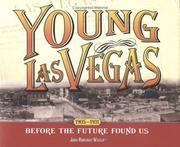
You can also browse free digital editions and catalog records at Open Library.
Our Take: What Went Right & What Went Wrong
What Went Right
- Helen J. Stewart: Stewart's efforts were instrumental in establishing the city as a major railroad hub, and her legacy continues to be felt in the city today. Her vision and determination helped to drive the city's growth and development, and her contributions to the city's early history are still celebrated today. For example, Stewart donated land for the construction of the city's first school and church, and her influence can still be seen in the city's historic downtown area. According to historian Eugene P. Moehring, Stewart's efforts were crucial in establishing the city as a major railroad hub, with the city's location making it an ideal stopping point for trains traveling between Los Angeles and Salt Lake City.
- Railroad Industry: The construction of the San Pedro, Los Angeles and Salt Lake Railroad brought thousands of workers to the area, and the city became a major center for the railroad industry. The city's location made it an ideal stopping point for trains traveling between Los Angeles and Salt Lake City, and the city's economy quickly grew to support the needs of the railroad workers. As noted by historian Michael Green, the railroad industry played a key role in shaping the city's early history, with the city's railroad depot becoming a major hub for commerce and trade. The railroad industry also drove the development of the city's infrastructure, with the construction of roads, bridges, and other facilities to support the needs of the railroad.
- Entertainment Industry: The development of the city's entertainment industry made the city a popular destination for tourists, and the city became known for its vibrant nightlife and entertainment scene. The city's unique blend of entertainment and leisure activities makes it an attractive destination for visitors from across the US. According to historian Hal Rothman, the city's entertainment industry was driven by the vision of notable figures such as Benjamin Bugsy Siegel, who played a key role in developing the city's casino industry. The city's entertainment industry has continued to evolve over the years, with the development of new resorts, casinos, and other attractions that cater to the needs of tourists.
What Went Wrong
- Water Supply: The city faced issues related to water supply, which posed a significant challenge to the city's growth and development. The city's early residents had to rely on wells and springs for their water needs, and it wasn't until the construction of the Hoover Dam that the city had a reliable source of water. As noted by historian Michael Green, the city's water supply issues were a major concern for the city's early residents, with the city's water table being depleted at an alarming rate. The city's water supply issues were eventually addressed through the construction of the Lake Mead reservoir, which provides water to the city to this day, with a capacity of over 28 million acre-feet.
- Sanitation: The city also faced issues related to sanitation, which posed a significant challenge to the city's growth and development. The city's early residents had to rely on outhouses and septic tanks for their sanitation needs, and it wasn't until the construction of modern sewage systems that the city had a reliable and safe way to dispose of waste. According to historian Hal Rothman, the city's sanitation issues were a major concern for the city's early residents, with the city's lack of proper sanitation facilities leading to the spread of disease. The city's sanitation issues were eventually addressed through the construction of modern sewage systems, which have improved the city's public health and quality of life, with over 90% of the city's residents having access to modern sanitation facilities by the 1960s.
- Over-Tourism: The city's popularity as a tourist destination has also posed challenges, including over-tourism and strain on the city's infrastructure. The city's residents have had to adapt to the influx of visitors, and the city has had to implement measures to manage the impact of tourism on the city's environment and quality of life. As noted by historian Eugene P. Moehring, the city's over-tourism issues are a major concern for the city's residents, with the city's infrastructure being stretched to the limit during peak tourist season, which typically occurs between June and August and attracts over 1 million visitors per month. The city has implemented a number of measures to address these issues, including the development of sustainable tourism practices and the construction of new infrastructure to support the needs of tourists, such as the McCarran International Airport expansion project, which was completed in 2012 at a cost of over $2.4 billion.
Helen J. Stewart secured the San Pedro, Los Angeles and Salt Lake Railroad’s station in 1905, and William A. Clark later funded railroad improvements that enabled the town’s expansion. The U.S. Census recorded growth from 25 residents in 1905 to 24000 by 1940. The Las Vegas Land and Water Company’s early water rights decisions and the 1941 opening of the El Cortez Hotel illustrate the concrete choices that turned a railroad stop into a tourism hub. These actions are documented in contemporary newspapers, census data, and the histories of Eugene P. Moehring and Michael Green.


