Cite this page
“My Lai Massacre — March 16, 1968.” thisDay, 16 Mar. 2026, thisday.info/blog/16-march-2026/. Accessed 3 Oct. 2026.
My Lai Massacre — March 16, 1968. (2026, March 16). thisDay. Retrieved October 3, 2026, from https://thisday.info/blog/16-march-2026/
“My Lai Massacre — March 16, 1968.” thisDay. March 16, 2026. Accessed October 3, 2026. https://thisday.info/blog/16-march-2026/.
What was My Lai Massacre?
The My Lai Massacre was a mass killing of unarmed Vietnamese civilians by American soldiers on March 16, 1968.
Key facts about the My Lai massacre
| Event | My Lai Massacre |
|---|---|
| Date | March 16, 1968 |
| Location | My Lai, Vietnam |
| Key Figure | Lieutenant William Calley |
| Significance | One of the most horrific atrocities committed during the Vietnam War |
| Legacy | Led to widespread outrage and changes in military protocol |
Overview
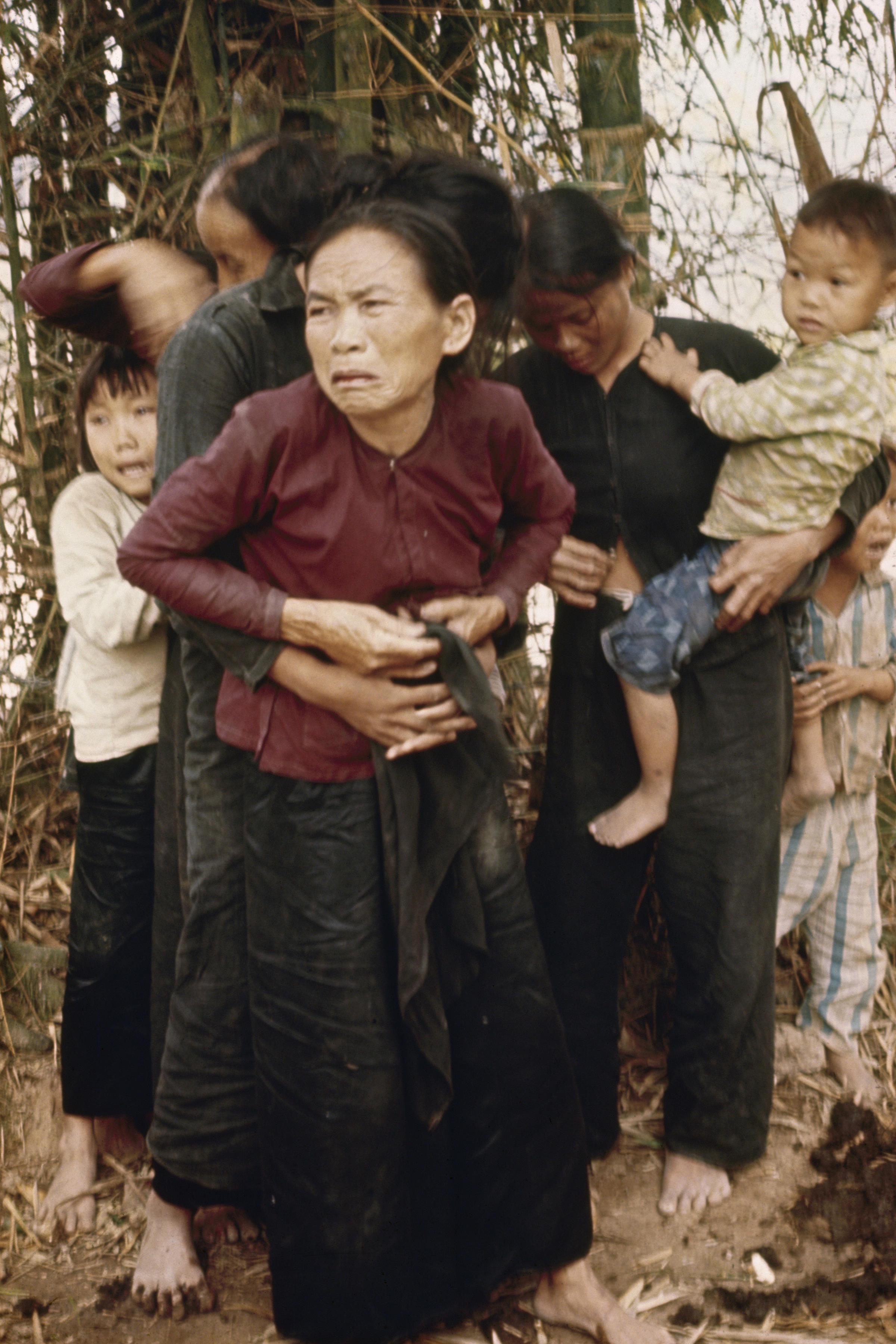
The My Lai Massacre occurred during the Vietnam War, a conflict that had been escalating since the early 1960s. On March 16, 1968, American soldiers from the 1st Battalion, 20th Infantry Regiment, 11th Infantry Brigade, entered the hamlets of My Lai and My Khe, searching for enemy forces. However, they found only civilians, including women, children, and the elderly.
The American soldiers, led by Lieutenant William Calley, began killing the civilians, despite the fact that they were unarmed and posed no threat. The massacre lasted for several hours, resulting in the deaths of hundreds of people. The incident was a gross violation of human rights and the laws of war.
The news of the massacre was initially suppressed by the US military, but it was later exposed by investigative journalist Seymour Hersh. The incident sparked widespread outrage and condemnation, both in the United States and around the world. It led to a re-examination of military ethics and accountability, and resulted in changes to military protocol.
The My Lai Massacre is considered one of the most significant events of the Vietnam War, highlighting the brutality and chaos of the conflict. It also raised important questions about the nature of war and the treatment of civilians, and led to a greater awareness of the importance of human rights and the laws of war.

Eyewitness Accounts
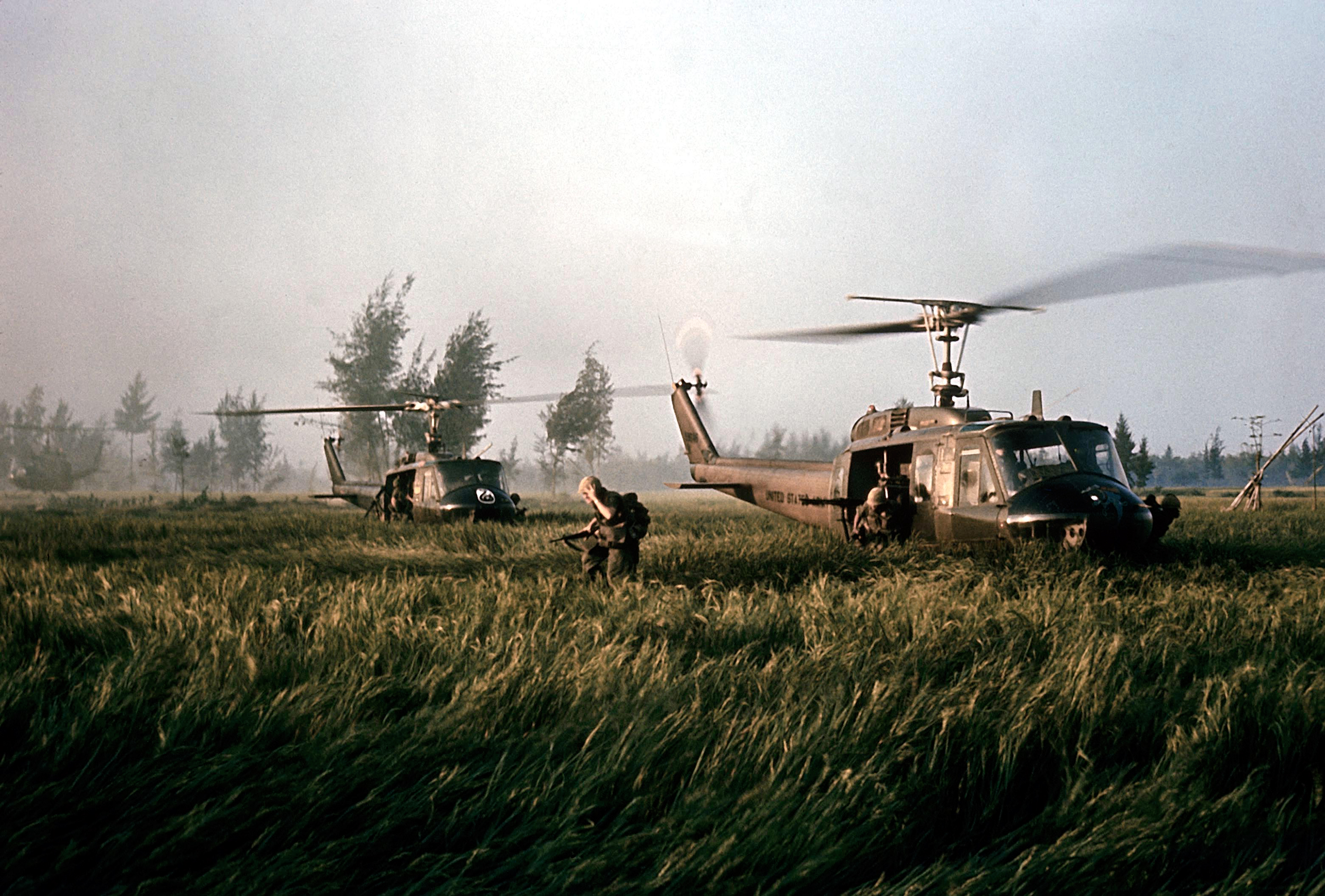
One of the most detailed accounts of the massacre comes from Ronald Haeberle, a photographer who was embedded with the American soldiers. Haeberle's photographs and testimony provide a chilling insight into the events of that day, and demonstrate the scale of the atrocity.
Other eyewitness accounts, including those from Vietnamese survivors and American soldiers who refused to participate in the massacre, also provide a harrowing picture of the events. These accounts highlight the brutality and senselessness of the killings, and demonstrate the failure of military leadership to prevent the atrocity.
Historians have extensively documented the My Lai Massacre, using a range of sources including eyewitness accounts, military records, and photographic evidence. While there are some discrepancies in the accounts, the overwhelming evidence confirms the scale and brutality of the massacre.
"They were shooting at people who were just sitting in their homes, or running away, or trying to hide."
Aftermath
The immediate aftermath of the massacre saw a cover-up by the US military, with efforts to suppress the news and downplay the scale of the atrocity. However, the incident was eventually exposed by investigative journalist Seymour Hersh, leading to widespread outrage and condemnation.
The medium-term consequences of the massacre included a re-examination of military ethics and accountability, and changes to military protocol. The incident also led to a greater awareness of the importance of human rights and the laws of war, and resulted in increased scrutiny of military actions.
The long-term legacy of the My Lai Massacre is complex and multifaceted. While it led to important changes in military protocol and a greater awareness of human rights, it also highlighted the darker aspects of human nature and the dangers of unchecked military power. The incident remains a powerful symbol of the brutality and chaos of war, and serves as a reminder of the importance of accountability and justice.
Legacy
The My Lai Massacre is a powerful reminder of the importance of human rights and the laws of war. It highlights the dangers of unchecked military power and the need for accountability and justice. The incident also serves as a warning about the dangers of groupthink and the importance of individual moral responsibility.
The My Lai Massacre remains relevant today, as a reminder of the importance of protecting civilians in conflict zones and promoting human rights. It also highlights the need for greater transparency and accountability in military actions, and the importance of learning from the past to prevent similar atrocities from occurring in the future.
As we reflect on the My Lai Massacre, we are reminded of the importance of empathy, compassion, and humanity. The incident serves as a powerful reminder of the need to protect human life and dignity, and to promote justice and accountability in all aspects of life.
Our Take: What Went Right & What Went Wrong
What Went Right
- Exposure of the Massacre: The exposure of the massacre by investigative journalist Seymour Hersh was a crucial step in bringing the incident to light and ensuring accountability. Hersh's reporting highlighted the scale and brutality of the atrocity, and demonstrated the importance of a free press in holding those in power to account.
- Changes to Military Protocol: The My Lai Massacre led to important changes in military protocol, including the development of new guidelines for the treatment of civilians in conflict zones. These changes have helped to reduce the risk of similar atrocities occurring in the future, and demonstrate the importance of learning from the past.
- Increased Awareness of Human Rights: The My Lai Massacre raised important questions about the nature of war and the treatment of civilians, and led to a greater awareness of the importance of human rights and the laws of war. This increased awareness has helped to promote a culture of respect for human life and dignity, and has contributed to the development of more humane and ethical military practices.
What Went Wrong
- Cover-up by the US Military: The initial cover-up of the massacre by the US military was a serious failure of accountability and transparency. The cover-up demonstrated a lack of respect for human life and dignity, and highlighted the dangers of unchecked military power.
- Lack of Accountability: The lack of accountability for the perpetrators of the massacre was a serious failure of justice. The incident highlighted the need for greater accountability and transparency in military actions, and demonstrated the importance of holding those in power to account for their actions.
- Failure of Military Leadership: The failure of military leadership to prevent the massacre was a serious failure of command and control. The incident highlighted the importance of strong and effective leadership in preventing atrocities, and demonstrated the need for greater emphasis on human rights and the laws of war in military training and protocol.
- Institutional Failure: The My Lai Massacre was also an institutional failure, highlighting the dangers of groupthink and the importance of individual moral responsibility. The incident demonstrated the need for greater transparency and accountability in military actions, and highlighted the importance of promoting a culture of respect for human life and dignity.
We think that the My Lai Massacre is a powerful reminder of the importance of human rights and the laws of war. The incident highlights the dangers of unchecked military power and the need for accountability and justice. As we reflect on this tragic event, we are reminded of the importance of empathy, compassion, and humanity, and the need to promote a culture of respect for human life and dignity. We believe that the My Lai Massacre serves as a warning about the dangers of groupthink and the importance of individual moral responsibility, and demonstrates the need for greater transparency and accountability in military actions.