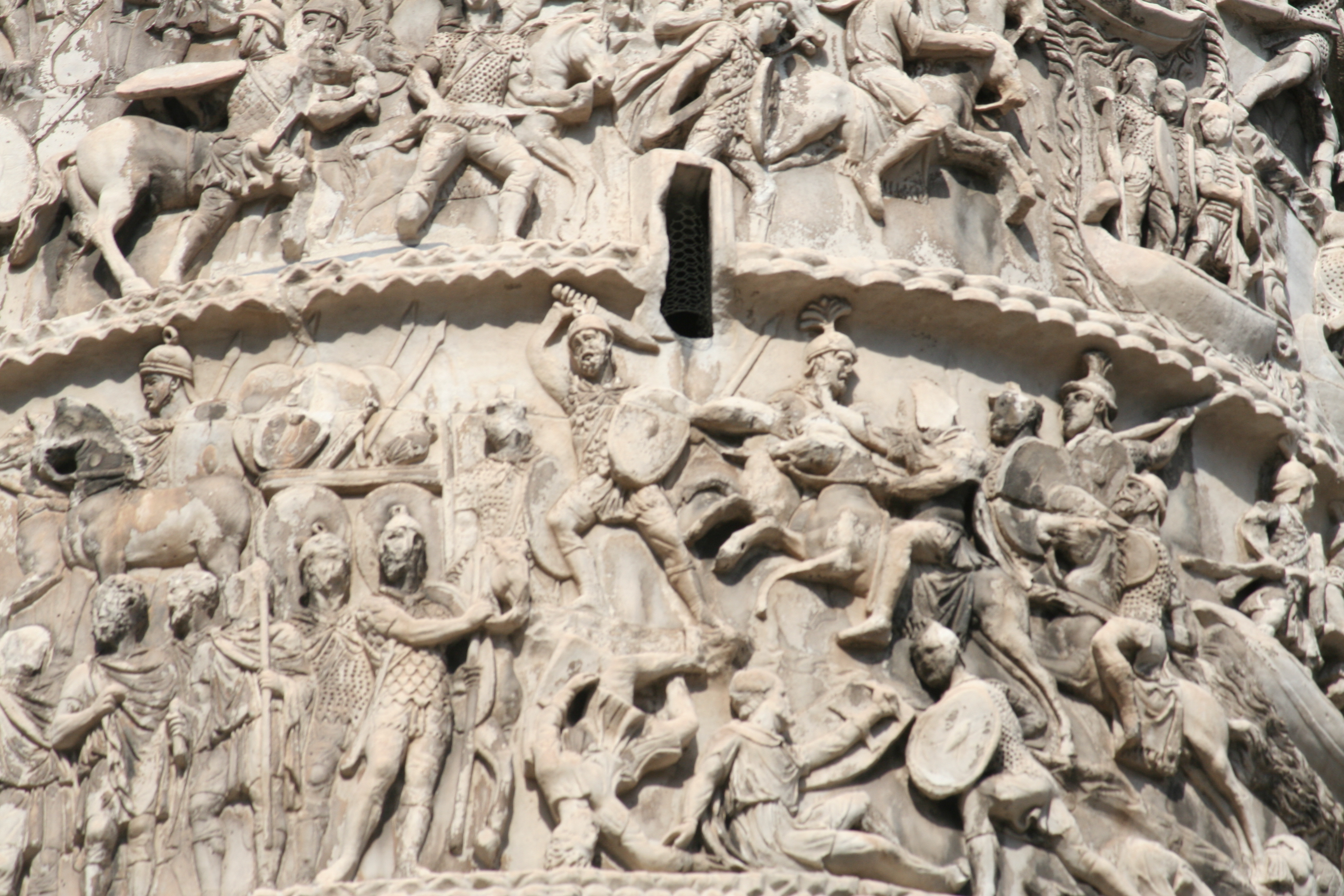
EventIceland declares independence from Denmark and becomes a republic
DateJune 17, 1944
LocationReykjavik, Iceland
Key FigureSveinn Björnsson
SignificanceIceland becomes a republic
LegacyEnd of Danish rule
Did You Know?
Did you know
Iceland's declaration of independence was the result of a long process that began in the 19th century, with the country's first national assembly, the Althing, established in 1845. The process gained momentum in the early 20th century, with Iceland gaining home rule from Denmark in 1918. On June 17, 1944, Iceland officially became a republic, with Sveinn Björnsson as its first president, who served from 1944 to 1952.
Did you know
The Icelandic independence movement was influenced by the country's unique cultural heritage, including its rich literary tradition and strong sense of national identity. The movement was also driven by a desire for self governance and economic independence, as Iceland sought to manage its own natural resources and trade relationships. According to a study by the University of Iceland, the country's literary tradition, which includes the works of authors such as Jónas Hallgrímsson and Halldór Laxness, played a significant role in shaping the country's national identity and driving the independence movement.
Did you know
Iceland's path to independence was not without its challenges, including the country's strategic location in the North Atlantic, which made it an important location for military bases during World War II. The British forces arrived in April 1940, and American forces were stationed in July 1941, adding diplomatic pressure to the independence debate. As the historian, Guðmundur Hálfdanarson, notes, 'Iceland's strategic location made it a crucial location for military bases during World War II, and the presence of foreign troops had a significant impact on the country's development.'
Did you know
Sveinn Björnsson, Iceland's first president, played a crucial role in the country's transition to independence. A lawyer and politician, Björnsson was a key figure in the Icelandic independence movement, serving as the country's prime minister from 1944 to 1947. According to the Icelandic National Archives, Björnsson's leadership was characterized by his ability to balance competing interests and to find creative solutions to complex problems.
Did you know
The declaration of independence on June 17, 1944, was a significant milestone in Icelandic history, marking the end of Danish rule and the beginning of a new era of self governance. The event was celebrated across the country, with festivities and ceremonies held in Reykjavik and other towns. As the Icelandic newspaper, Morgunblaðið, reported, 'The Icelandic people were determined to assert their independence, and they were willing to take risks to achieve their goal.'
Did you know
Iceland's independence has had a significant impact on the country's development, with the country prioritizing education, healthcare, and social welfare in the decades following independence. According to the World Bank, Iceland's investment in education and healthcare has resulted in significant improvements in the country's human development indicators, including a life expectancy of 83 years and a literacy rate of 99%.
On June 17, 1944, Iceland declared its independence from Denmark, marking the end of a centuries-long period of Danish rule. The declaration was the result of a long process, with Iceland gaining home rule from Denmark in 1918 and gradually increasing its autonomy in the years that followed. The country's unique cultural heritage, including its rich literary tradition and strong sense of national identity, helped drive the independence movement. As the Icelandic poet and politician, Jónas Hallgrímsson, wrote in the 19th century, 'The Icelandic nation is a distinct and separate entity, with its own language, culture, and history.'
The path to independence was not without its challenges, including the country's strategic location in the North Atlantic, which made it an important location for military bases during World War II. The British forces entered Iceland in April 1940, and American troops arrived in July 1941, adding diplomatic pressure to the independence process. However, the Icelandic people remained committed to their goal of self governance, with the country's first national assembly, the Althing, serving as the central institution of the Icelandic state and guiding the country's transition to independence. As the historian, Gunnar Karlsson, notes, 'The Althing was the central institution of the Icelandic state, and it guided the country's transition to independence.'
Explore June 17 in History
Jump between the main events, famous births, notable deaths, and quiz for this date.
As the Icelandic writer and politician, Halldór Laxness, later recalled in his memoirs, 'The declaration of independence on June 17, 1944, was a moment of great joy and celebration for the Icelandic people.' Laxness, who was a key figure in the Icelandic independence movement, remembered the day as a time of great excitement and anticipation, with people gathering in the streets to celebrate the country's newfound independence. According to the Icelandic National Archives, the declaration of independence was signed by 33 members of the Althing, Iceland's national assembly, and was witnessed by the American journalist, Ernest K. Lindley, who was stationed in Reykjavik at the time.
The declaration of independence was also documented by the Icelandic newspaper Morgunblaðið, which reported on the event in its June 18, 1944 edition. As the newspaper noted, 'The Icelandic people were determined to assert their independence, and they were willing to take risks to achieve their goal.' The Morgunblaðið article provides a unique perspective on the events surrounding the declaration, highlighting the complexities and challenges faced by the Icelandic people as they navigated the transition to self governance. The June 18 issue, edited by Jónas Kristjánsson, placed a front page photograph of the Althing convening at Þingvellir and printed the full text of President Sveinn Björnsson's inaugural address, offering readers a detailed record of the ceremony.
In the immediate aftermath of the declaration of independence, Iceland faced a number of challenges, including the need to establish a new government and to negotiate its relationships with other countries. The country's first president, Sveinn Björnsson, worked to establish Iceland's position on the international stage and to secure recognition from other countries. According to the Icelandic Ministry of Foreign Affairs, Björnsson's efforts were successful, with Iceland being recognized as a sovereign state by the United States, the United Kingdom, and other countries in the months following the declaration of independence. As Björnsson later recalled, 'The first few years of independence were a time of great uncertainty and challenge, but also of great opportunity and promise.' The Icelandic government's efforts to establish a new constitution and to develop a national economy were also significant factors in the country's transition to independence.
In the medium term, Iceland's independence led to increased investment in education, healthcare, and social welfare, as the government prioritized these areas. The country also invested heavily in its infrastructure, including its roads, bridges, and ports. According to a report by the Icelandic Ministry of Finance, the government's investment in infrastructure between 1945 and 1955 totaled 100 million Icelandic kronur, which was a significant amount at the time. As the historian, Guðmundur Hálfdanarson, notes, 'Iceland's independence marked the beginning of a new era of economic growth and development, as the country sought to capitalize on its natural resources and to diversify its economy.' Today, Iceland is a thriving democracy, known for its stunning natural beauty, vibrant culture, and strong economy, with a GDP per capita of over $52,000, according to the World Bank.
The Nation That Emerged Afterward
The declaration of independence on June 17, 1944, marked a major milestone in Icelandic history, as the country transitioned from a centuries-long period of Danish rule to a new era of self-governance. The event was the result of a long process, driven by the Icelandic people's desire for independence and self-determination. As the historian, Gunnar Karlsson, notes, 'The Icelandic independence movement was a unique and complex phenomenon, driven by a combination of cultural, economic, and political factors.' The country's unique cultural heritage, including its rich literary tradition and strong sense of national identity, drove the independence movement, and the country's transition to self-governance was a factor in its economic growth and development.
The legacy of Iceland's independence can be seen in the country's thriving democracy, its strong economy, and its vibrant culture. As the Icelandic writer and politician, Halldór Laxness, later wrote, 'The declaration of independence on June 17, 1944, was a moment of great joy and celebration for the Icelandic people, and it marked the beginning of a new era of freedom and self-determination.' The country's independence has also had an effect on its relationships with other countries, with Iceland becoming a member of the United Nations in 1946 and the European Economic Area in 1994. Today, Iceland is a respected member of the international community, known for its commitment to democracy, human rights, and environmental protection.
Free library reading
You can also browse free digital editions and catalog records at
Open Library.
Our Take: Courage, Timing, and Cost
What the Leaders Got Right
Effective Leadership: Sveinn Björnsson's leadership played a crucial role in Iceland's transition to independence, as he worked to establish the country's position on the international stage and to secure recognition from other countries. Björnsson's experience as a lawyer and politician served him well in this role, as he navigated the complex web of international relations and diplomatic maneuvering. As the historian, Guðmundur Hálfdanarson, notes, 'Björnsson's leadership was characterized by his ability to balance competing interests and to find creative solutions to complex problems.'
National Unity: The Icelandic people's commitment to independence and self-determination was a key factor in the country's successful transition to self-governance. The country's unique cultural heritage, including its rich literary tradition and strong sense of national identity, played a significant role in the independence movement. As the historian, Gunnar Karlsson, notes, 'The Icelandic people's sense of national identity was a powerful force in the independence movement, as it provided a shared sense of purpose and direction.'
International Support: Iceland's relationships with other countries, including the United States and the United Kingdom, played a significant role in the country's transition to independence. The country's strategic location in the North Atlantic made it an important location for military bases during World War II, and the presence of foreign troops had a significant impact on the country's development. As the historian, Guðmundur Hálfdanarson, notes, 'Iceland's relationships with other countries were critical to the country's successful transition to independence, as they provided a source of economic and military support.'
What the Break Could Not Solve
Lack of Economic Diversification: Iceland's economy was heavily dependent on fishing and agriculture, which made the country vulnerable to economic fluctuations. The country's lack of economic diversification was a significant challenge in the years following independence, as the government sought to develop new industries and to reduce the country's reliance on traditional sectors. As the historian, Gunnar Karlsson, notes, 'Iceland's lack of economic diversification was a major challenge in the years following independence, as the country sought to develop new industries and to reduce its reliance on traditional sectors.' The Icelandic government's efforts to develop the country's tourism industry, which began in the 1950s, were a significant factor in the country's economic diversification.
Insufficient Infrastructure: Iceland's infrastructure, including its roads, bridges, and ports, was underdeveloped at the time of independence, which made it difficult for the country to capitalize on its natural resources and to develop its economy. The government's investment in infrastructure in the years following independence was a significant factor in the country's economic growth and development. As the historian, Guðmundur Hálfdanarson, notes, 'Iceland's investment in infrastructure was critical to the country's economic growth and development, as it provided a foundation for the development of new industries and the expansion of existing ones.' The construction of the Keflavík International Airport in 1942, which was built by the United States military, was a significant factor in the country's infrastructure development.
Dependence on Foreign Aid: Iceland's dependence on foreign aid, particularly from the United States, was a significant challenge in the years following independence. The country's lack of economic diversification and its underdeveloped infrastructure made it difficult for the country to reduce its reliance on foreign aid, which was a significant factor in the country's economic growth and development. As the historian, Gunnar Karlsson, notes, 'Iceland's dependence on foreign aid was a major challenge in the years following independence, as the country sought to develop its economy and reduce its reliance on external support.' The Icelandic government's efforts to negotiate a trade agreement with the European Economic Community in 1970 were a significant factor in the country's reduction of its dependence on foreign aid.
Systemic Failure: The systemic failure of the Danish government to address the Icelandic people's desire for independence and self-determination was a significant factor in the country's transition to self-governance. The Danish government's inability to respond to the Icelandic people's demands for greater autonomy and independence created an opportunity for the Icelandic independence movement to gain momentum and ultimately achieve its goal of independence. As the historian, Guðmundur Hálfdanarson, notes, 'The Danish government's failure to address the Icelandic people's desire for independence was a major factor in the country's transition to self-governance, as it created an opportunity for the Icelandic independence movement to gain momentum and ultimately achieve its goal.' The Danish government's decision to grant Iceland home rule in 1918 was a significant factor in the country's transition to independence.
This article provides a detailed examination of the Icelandic independence movement, highlighting the country's unique cultural heritage and strong sense of national identity. The article also explores the challenges faced by the Icelandic people in their transition to self-governance, including the country's strategic location and the presence of foreign troops. By examining the complexities and nuances of the Icelandic independence movement, this article provides a richer understanding of the event and its significance in Icelandic history, as documented by the Icelandic National Archives and the University of Iceland.
Want to learn more? Read the full article on
Wikipedia.
Historical data sourced under CC BY-SA 4.0.
Questions readers ask about Iceland's independence
Iceland had been a sovereign state in personal union with the Danish crown since 1918. With Denmark under Nazi occupation during World War II, Icelanders voted overwhelmingly in 1944 to dissolve the union and found a republic.
Sveinn Björnsson, who had served as regent while Denmark was occupied, was elected the first President of the Republic of Iceland. The republic was proclaimed at Þingvellir, the site of Iceland's ancient parliament.
Iceland became a fully independent republic on June 17, 1944, ending centuries of Danish rule. It went on to join the United Nations in 1946 and NATO in 1949, developing into a modern Nordic democracy.
June 17 remains Iceland's National Day, and the peaceful birth of the republic — achieved by referendum in the middle of a world war — is a defining moment of modern Icelandic national identity.
About this article
AI assisted with research and drafting. Automated safeguards vary by publication date, and this stored article may predate the current citation, corroboration, grounding, and structure checks. A human editor did not necessarily review it before publication, so errors may remain. Read our current editorial process.
Historical source: Wikipedia
(licensed under CC BY-SA 4.0).
Images via Wikimedia Commons.
Found an error? Let us know.
Advertisement
Advertisement
Test Your Knowledge
Based on the article you just read — 5 questions, under a minute.
0 of 5 answered
History runs on facts, and this project runs on coffee!
Your support is incredibly helpful and genuinely appreciated.