
People in this story
Key facts about the Haitian Revolution
| Event | The Haitian slave revolution begins in Saint-Domingue, Haiti |
|---|---|
| Date | August 22, 1791 |
| Location | Saint-Domingue, Haiti |
| Key Figure | Toussaint Louverture |
| Source Detail | Plantation owners produced sugar as a commodity crop from cultivation of sugarcane, which required extensive labor |
| Source Subject | Haitian Revolution |
Reports From the Economic Front
Vincent Ogé led a revolt by free Mulattoes in 1790, pressuring the French Revolutionary government to grant them citizenship in May 1791, a move that destabilized Saint-Domingue and contributed to the slave revolt beginning on August 21, 1791. Toussaint Louverture emerged as the most prominent general during the prolonged conflict that ended with the colony’s independence on January 1, 1804. We note that this revolution stands as one of the only known slave rebellions in human history to result in a state ruled by former captives, a fact that underscores its unique place in the annals of resistance.
Historian Michel-Rolph Trouillot characterizes the historiography of the Haitian Revolution as being silenced by that of the French Revolution, suggesting the events in Haiti have received relatively little public attention in retrospect. The revolution was influenced by the French Revolution of 1789, which introduced concepts of human rights and universal citizenship, yet it involved multiple simultaneous revolutions among distinct groups within the colony. The white population, including forty thousand planters and petit blancs, remained committed to slavery despite calls for independence, while the thirty thousand free black people, many of whom were wealthier than some whites, navigated their own complex position. The enslaved population initiated the rebellion in 1791 and by 1803 had succeeded in ending both slavery and French control, demonstrating a multifaceted struggle for freedom.
Losses, Laws, and Institutional Fallout
The successful defense of the freedoms won by former slaves involved significant collaboration with already free people of color to secure independence from white European powers, ensuring that the abolition of slavery was a permanent structural change rather than a temporary cessation of hostilities. The former captives who ruled this new state demonstrated an ability to maintain their own freedom against external pressures, challenging long-held European beliefs regarding African inferiority and the inherent inability of slaves to govern themselves effectively. We observe that while the state was free from slavery, it was not entirely free from forced labor practices, a nuance that complicates the narrative of total liberation. The colony of Saint-Domingue, which had been under French control since the Treaty of Ryswick in 1697, saw its borders solidified only after the Dominican War of Independence in 1844, marking the final separation from Spanish claims on the eastern portion of Hispaniola.
The economic foundations of Saint-Domingue were deeply rooted in the production of sugar, coffee, indigo, and cotton, which generated immense wealth for France through an enslaved labor force working under brutal conditions. The colony produced more revenue for France than all thirteen North American colonies combined, making it the wealthiest overseas possession, with demand for sugar driving the construction of complex irrigation systems by French engineers starting in the 1730s. These systems increased sugarcane production, the most profitable commodity crop, while coffee, cocoa, and indigo plantations remained smaller and less profitable. The thirty thousand free black people, half of whom were mulattoes, often possessed greater wealth than the petit blancs, creating a complex social hierarchy that fractured during the revolution.
The System It Changed
This complex struggle for freedom resulted in the establishment of a sovereign state that was free from slavery and ruled by former captives. The revolution, which began with the burning of plantations in August 1791 and concluded with independence on January 1, 1804, dismantled French colonial rule in Saint-Domingue. Toussaint Louverture emerged as the most prominent general during the conflict, leading the defense of the new nation's freedoms. The event stands as one of the only known slave rebellions in human history to result in a state governed by former captives, challenging European beliefs about African inferiority and reshaping the Atlantic World.
Analysis: Haitian Revolution
What the evidence supports and leaves unresolved
What the record supports
- Economic Context Clarity: Saint-Domingue was France's wealthiest overseas colony in the 18th century, generating more revenue than all thirteen North American colonies combined. This specific economic comparison provides a concrete metric for understanding the high stakes of the conflict. The record details that this wealth derived from sugar, coffee, indigo, and cotton production, which relied heavily on an enslaved labor force. By anchoring the revolution in these specific economic outputs and revenue comparisons, the historical narrative gains a clear material basis for the ensuing social and political upheaval.
- Demographic Precision: The source provides precise demographic figures for the colony in 1789, noting forty thousand white residents, thirty thousand free black people, and a distinct enslaved population. It further specifies that half of the free black population were mulattoes, many of whom were wealthier than the petit blancs. The record distinguishes between white planters, artisans, free people of color, and the enslaved, highlighting the multifaceted nature of the society that experienced simultaneous revolutions influenced by the French Revolution of 1789.
- Historical Significance Framing: The source characterizes the Haitian Revolution as the largest slave uprising since Spartacus's revolt against the Roman Republic nearly nineteen centuries earlier. It explicitly states that the event challenged long-held European beliefs about alleged African inferiority and the ability of slaves to achieve and maintain freedom. The record notes that the organizational capacity and tenacity of the rebels shocked slave owners throughout the hemisphere. By linking the event to these specific historical comparisons and ideological challenges, the source provides a clear framework for understanding the revolution's broader impact on Atlantic history and racial hierarchies.
Limits and unresolved questions
- Date Discrepancy: The source records the revolt's start as August 21, 1791, creating a one-day discrepancy with the August 22 date in the event listing. The text provides no explanation for this difference or specific events occurring on the 22nd, leaving the canonical date unsupported by the provided narrative.
- Causality Limitations: The source states that Vincent Ogé's 1790 revolt pressured the French government to grant citizenship to free Mulattoes in May 1791, leading to further clashes that destabilized Saint-Domingue and led to the slave revolt. However, the source does not detail the specific mechanisms of this destabilization or the direct causal links between the citizenship grant and the August 1791 uprising. It describes the sequence of events but does not provide a comprehensive analysis of the political negotiations or specific incidents that bridged the gap between May 1791 and August 1791.
- Post-Independence Labor Details: In the Haitian Revolution source record, the source notes that the resulting state was free from slavery but not from forced labor, yet it does not elaborate on the nature, extent, or justification of this forced labor. It mentions the successful defense of freedoms and collaboration with free people of color but provides no specific details on the economic or social structures that permitted forced labor to persist after the abolition of slavery. The absence of these details leaves a critical gap in understanding the immediate post-revolutionary economic reality.
We are often told that history is written by the victors, yet here we see Michel-Rolph Trouillot’s assertion that the Haitian Revolution was “silenced” by the French Revolution, a historiographical erasure that persists despite the rebels’ proven organizational capacity. The fires lit on August 21, 1791, did not just burn sugar plantations; they incinerated the European myth of African inferiority. It is uncomfortable to confront that the world’s first Black republic was born from a successful insurrection that terrified slave owners across the hemisphere, yet its narrative remains marginalized. We must acknowledge that true sovereignty was forged not in diplomatic halls, but in the brutal, tenacious defense of freedom against overwhelming odds. The silence surrounding this victory is a choice, not an accident.
Evidence Map: How We Checked the Central Claim
What the sources verify and how they were used
This comparison separates the event page selected for the account from the independently verified page used to corroborate it.
Central claim checked: The Haitian slave revolution begins in Saint-Domingue, Haiti.
| Direct source | Verification role | Coverage |
|---|---|---|
| Haitian Revolution · Wikipedia Accessed 2026-08-22 | Selected event record | Supports the central claim shown above. |
| Haitian Revolution (1791-1804) · blackpast.org Accessed 2026-08-22 | Independent corroboration | Supports the central claim shown above. |
You Might Also Like
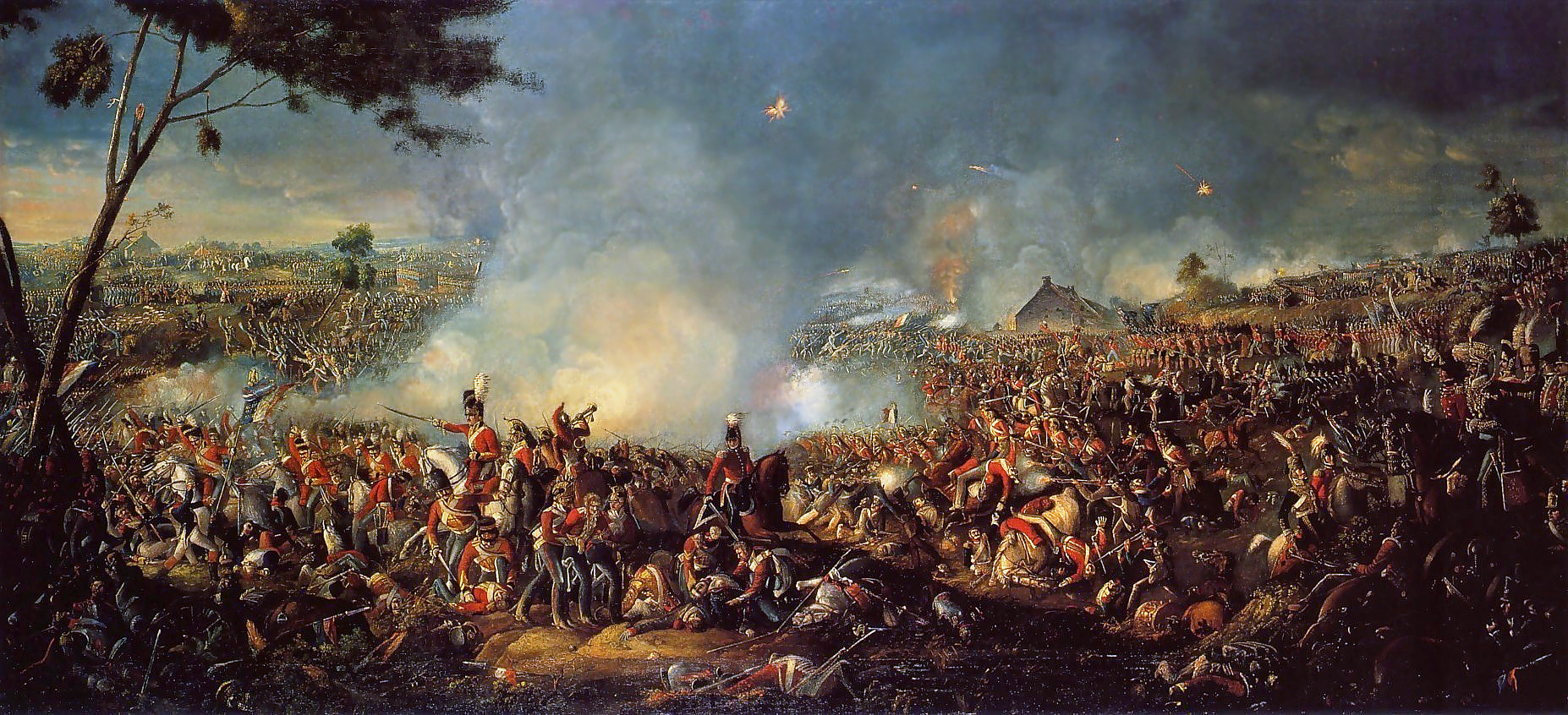


What started the Haitian Revolution?
The Haitian Revolution began on August 22, 1791, in Saint-Domingue, Haiti.
Key figures included Toussaint Louverture.
Saint-Domingue was France's wealthiest overseas colony in the 18th century, generating more revenue than all thirteen North American colonies combined.