
Cite this page
“Triangle Shirtwaist Factory Fire — March 25, 1911.” thisDay, 25 Mar. 2026, thisday.info/blog/25-march-2026/. Accessed 3 Oct. 2026.
Triangle Shirtwaist Factory Fire — March 25, 1911. (2026, March 25). thisDay. Retrieved October 3, 2026, from https://thisday.info/blog/25-march-2026/
“Triangle Shirtwaist Factory Fire — March 25, 1911.” thisDay. March 25, 2026. Accessed October 3, 2026. https://thisday.info/blog/25-march-2026/.
What was Triangle Shirtwaist Factory Fire?
The Triangle Shirtwaist Factory Fire was a devastating industrial disaster that occurred on March 25, 1911, in New York City.
Key facts about the Triangle Shirtwaist Factory fire
| Event | Triangle Shirtwaist Factory Fire |
|---|---|
| Date | March 25, 1911 |
| Location | New York City, USA |
| Key Figure | Clara Lemlich |
| Significance | Led to major labor reforms and improved worker safety |
| Legacy | Remembered as one of the deadliest industrial disasters in US history |
People in this story
Overview
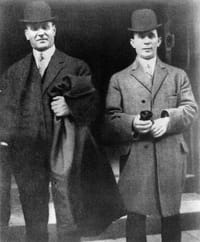
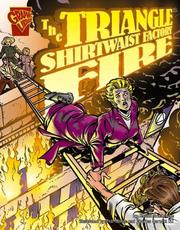
On March 25, 1911, a fire broke out at the Triangle Shirtwaist Factory in New York City, killing 146 workers, most of whom were young immigrant women. The tragedy shocked the nation and led to a major overhaul of labor laws and worker safety regulations. As historian Leon Stein noted, 'The Triangle fire was a watershed event in American labor history, marking a turning point in the struggle for workers' rights and social justice.'
The fire was a devastating example of the dangers faced by workers in the early 20th century. The factory's owners, Max Blanck and Isaac Harris, had locked the doors to prevent workers from taking breaks or stealing materials, trapping many inside as the fire spread. This egregious negligence, combined with the lack of fire safety measures and emergency exits, resulted in one of the deadliest industrial disasters in US history.




Eyewitness Accounts
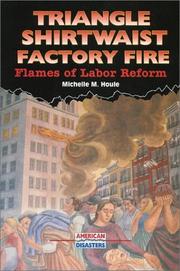
As eyewitness and journalist William Shepherd described, 'The scene was one of utter chaos and horror. The flames were spreading rapidly, and the workers were screaming and trying to escape. I saw girls jumping from the windows, their clothes on fire, and men trying to catch them.' Shepherd's account highlights the desperation and terror of the workers as they tried to flee the burning building.
Historian Steve Fraser notes that the Triangle Shirtwaist Factory Fire was not an isolated incident, but rather part of a larger pattern of exploitation and neglect of workers' safety. Fraser argues that the fire 'exposed the dark underbelly of industrial capitalism, where profits were prioritized over people's lives.' This perspective is supported by the fact that the factory's owners were aware of the fire hazards, but chose to ignore them in order to maximize profits.
"I saw girls jumping from the windows, their clothes on fire"
Aftermath
In the immediate aftermath of the fire, there was widespread outrage and demands for justice. The International Ladies' Garment Workers' Union, led by Clara Lemlich, organized protests and rallies, calling for better working conditions, higher wages, and stricter safety regulations. The New York State Factory Investigating Commission was established to investigate the fire and recommend reforms.
The long-term consequences of the Triangle Shirtwaist Factory Fire were far-reaching. The tragedy led to significant changes in labor laws, including the passage of the New York State Factory Investigating Commission's recommendations, which led to the creation of the New York State Department of Labor. The fire also inspired the development of the National Institute for Occupational Safety and Health (NIOSH) and the Occupational Safety and Health Administration (OSHA).
Legacy
The Triangle Shirtwaist Factory Fire was a pivotal moment in American labor history, marking a turning point in the struggle for workers' rights and social justice. The tragedy led to significant reforms and improvements in worker safety, but it also highlighted the ongoing struggle for workers' rights and the need for continued vigilance and activism.
Today, the Triangle Shirtwaist Factory Fire remains a powerful reminder of the importance of protecting workers' rights and ensuring safe working conditions. As we reflect on this tragic event, we are reminded of the need for continued activism and advocacy on behalf of workers everywhere.
Our Take: What Went Right & What Went Wrong
What Went Right
- Clara Lemlich's Leadership: Clara Lemlich's leadership and organizing skills were instrumental in the aftermath of the fire. She helped to galvanize the labor movement and push for reforms, including the creation of the New York State Factory Investigating Commission. Lemlich's actions demonstrate the importance of grassroots organizing and community leadership in driving social change.
- New York State Factory Investigating Commission: The New York State Factory Investigating Commission's recommendations led to significant reforms, including the creation of the New York State Department of Labor. The commission's work demonstrates the importance of government oversight and regulation in protecting workers' rights and ensuring safe working conditions.
- International Ladies' Garment Workers' Union: The International Ladies' Garment Workers' Union played a crucial role in the aftermath of the fire, organizing protests and rallies and pushing for reforms. The union's actions demonstrate the importance of collective action and solidarity in driving social change and protecting workers' rights.
What Went Wrong
- Factory Owners' Negligence: The factory owners, Max Blanck and Isaac Harris, were guilty of egregious negligence and prioritized profits over people's lives. Their actions demonstrate the dangers of unchecked capitalism and the need for stronger regulations and oversight to protect workers' rights.
- Lack of Government Oversight: The lack of government oversight and regulation contributed to the tragedy, allowing the factory owners to prioritize profits over safety. This highlights the need for stronger regulations and oversight to protect workers' rights and ensure safe working conditions.
- Systemic Failure: The Triangle Shirtwaist Factory Fire was a symptom of a broader systemic failure, in which the pursuit of profits was prioritized over people's lives. This failure highlights the need for a more fundamental transformation of the economic system, one that prioritizes human well-being and dignity over profits.
What strikes us about this event is the way it highlights the ongoing struggle for workers' rights and social justice. The Triangle Shirtwaist Factory Fire was a tragic reminder of the dangers of unchecked capitalism and the need for stronger regulations and oversight to protect workers' rights. As we reflect on this event, we are reminded of the importance of continued activism and advocacy on behalf of workers everywhere.


