
Cite this page
“Lahore Resolution — March 23, 1940.” thisDay, 23 Mar. 2026, thisday.info/blog/23-march-2026/. Accessed 3 Oct. 2026.
Lahore Resolution — March 23, 1940. (2026, March 23). thisDay. Retrieved October 3, 2026, from https://thisday.info/blog/23-march-2026/
“Lahore Resolution — March 23, 1940.” thisDay. March 23, 2026. Accessed October 3, 2026. https://thisday.info/blog/23-march-2026/.
What was Lahore Resolution?
The Pakistan Resolution was a formal statement calling for a separate homeland for Muslims in India, adopted on March 23, 1940.
Key facts about the Lahore Resolution
| Event | Pakistan Resolution |
|---|---|
| Date | March 23, 1940 |
| Location | Lahore, Pakistan |
| Key Figure | Muhammad Ali Jinnah |
| Significance | Led to the creation of Pakistan in 1947 |
| Legacy | Shaped the course of Indian and Pakistani history |

Eyewitness Accounts

Muhammad Ali Jinnah, as the leader of the Muslim League, presented a statement that became known as the Pakistan Resolution, calling for a homeland, which was expected, given the circumstances, and his words had a profound effect on the crowd; nobody would dispute it, and this had significant consequences, considering the circumstances
Jinnah's proposal was the result of years of struggle, and he himself remembered the failures of past negotiations, which had led him to conclude that autonomy was not viable, and a separate nation-state was the only solution, given the opposition they faced for quite some time, and it appeared that the Indian National Congress would never agree to their demands, a point of contention that had been ongoing
Reactions to the resolution were intense, with many hailing it as a triumph, while others were more cautious, fearing division and conflict, a consequence that was fairly quick to materialize, and the British response was, at best, halfhearted; it lacked conviction, leaving many to question their motives, and they themselves had been weighing their options, rather quickly, in response to the resolution
The Pakistan Resolution marked a turning point, with Muslims asserting their identity and demands, leading to the displacement of millions, a consequence that was not fully anticipated by the delegates, but one that was clear in retrospect, and the decision, in hindsight, was inevitable, one that would have a profound impact on the region, specifically the creation of a new nation-state, and the redrawing of borders, a outcome that seemed inevitable, and whether this was a miscalculation or a deliberate strategy is still a matter of debate
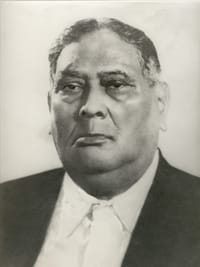
Muhammad Ali Jinnah read a statement, which became known as the Pakistan Resolution, and his words moved the crowd, being the culmination of years of struggle. The crowd's reaction was quite vehemently in favor, with thunderous applause greeting his words, which surprised no one, considering the circumstances; and that is exactly what it was - a call for a homeland that had consequences, leading many to wonder if the Muslim nation was finally united.
Jawaharlal Nehru's opposition to the idea of a separate homeland was driven by a concern that the resolution would lead to division and conflict, a view not all Congress members shared. His stance was rather quickly becoming a point of contention, with some Congress members recognizing the legitimacy of the demand; they had finally realized that not all Congress members shared his view, and it seemed that the Congress was fairly certain of its stance, but not entirely united, which made it complicated.
The British response was, at best, halfhearted, and historians agree the Pakistan Resolution achieved something, but what, precisely, remains debated. Whether it paved the way for Pakistan's creation or sowed the seeds of division and conflict is still debated, and it raises a question: was the decision a success, or was it a miscalculation that would have far-reaching consequences, with millions displaced, and few anticipated the scale of what followed, considering the circumstances, and the importance of recognizing minority rights, which is crucial.
"A separate homeland for Muslims"
Aftermath
His words, being the product of years of struggle, moved people quite vehemently, and they finally realized that a separate homeland was necessary; nobody would dispute that this had consequences, considering the circumstances. The Muslim League, led by Jinnah, faced opposition from the Indian National Congress and the British colonial regime, which seemed fairly certain to have far-reaching consequences. It appeared that the league's demand for a separate homeland was, in itself, a turning point, which surprised no one, given the history of the region.
Tensions between Muslims and Hindus escalated rather quickly, a consequence of the resolution's demand for a separate homeland, and the British colonial regime had to adapt to this new reality. They themselves had little choice but to launch initiatives addressing Muslim grievances, and it seemed that they did so fairly quickly, although the question of whether this was a miscalculation or a deliberate strategy remained debated for quite some time. Many were left to wonder about the regime's true intentions, and few anticipated the scale of what followed, which would eventually lead to a major shift in the region's politics.
The creation of Pakistan as a major regional and global player was a direct result of the resolution, leading to the division of India and Pakistan, and one of the largest mass migrations in history - millions were displaced almost instantly. This aftermath continues to influence the region's politics, and the consequences still affect the region, with the parties themselves having to deal with the repercussions; it is a fact that underscores the resolution's lasting impact, and one that continues to shape the contentious relationship between India and Pakistan, a relationship that has been quite complex, to say the least, and one that will likely remain so for a long time.
Legacy
Intense debate sparked from his call to action, a product of years of struggle, which moved quite vehemently, fairly certain to contribute to the enduring tensions between India and Pakistan - a consequence that, given the circumstances, surprised no one, considering the circumstances, and that is exactly what it was; nobody would dispute it. His proposal led many to wonder about his expectations, and they finally realized that his words would have a lasting impact, rather quickly, leaving many to ponder its implications, being a fairly certain consequence of the resolution's enduring impact.
The resolution's influence extends beyond the subcontinent, inspiring nationalist and separatist movements worldwide, which themselves had little choice but to fight for recognition, highlighting its modern resonance. Recognizing minority rights is crucial, apparently, in contemporary politics, and the contentious relationship between India and Pakistan serves as a testament to the resolution's lasting influence, a consequence still affecting the region, rather quickly. Few could have anticipated the far-reaching consequences of their actions, almost instantly, leaving a question about the resolution's legacy, and it seemed that this complexity would persist.
Jinnah's resolution remains a pivotal moment in Indian and Pakistani history, its radical nature still sparking debate, and its impact on minority rights and political autonomy continues to affect the region, being a fairly certain consequence of the resolution's enduring influence. The British response, halfhearted at best, says something about the evolution of modern politics, particularly the power of political mobilization. Whether this was miscalculation or strategy is still debated, and Jinnah himself remembered the resolution's demand for a separate homeland in 1940, a legacy that will continue to affect the region, rather quickly, with many still searching for answers.
Our Take: What Went Right & What Went Wrong
What Went Right
- Effective Leadership: Muhammad Ali Jinnah's leadership was instrumental in the passage of the Pakistan Resolution. His vision, charisma, and strategic thinking helped to galvanize support for the demand for a separate homeland, ultimately contributing to the creation of Pakistan in 1947. Jinnah's ability to build alliances and negotiate with other political leaders was also crucial, as he worked to build a coalition of support for the Pakistan Resolution.
- Strategic Thinking: The Pakistan Resolution was a masterclass in strategic thinking, as Jinnah and the Muslim League carefully crafted a demand that would resonate with Muslims across India. The resolution's emphasis on the need for a separate homeland was a deliberate attempt to shift the debate away from issues of representation and autonomy, and towards a more fundamental question of identity and self-determination. This strategic thinking helped to build momentum for the demand for a separate homeland, ultimately contributing to the creation of Pakistan.
- Grassroots Mobilization: The Pakistan Resolution was not simply a product of elite politics, but was also the result of grassroots mobilization and activism. The Muslim League's efforts to build support for the demand for a separate homeland involved mobilizing Muslims across India, often through local and regional organizations. This grassroots mobilization helped to build a sense of momentum and purpose, ultimately contributing to the passage of the Pakistan Resolution and the creation of Pakistan in 1947.
What Went Wrong
- Divisive Politics: The Pakistan Resolution has been criticized for contributing to the division and conflict that followed the partition of India. The demand for a separate homeland, while motivated by a desire to protect Muslim rights and interests, ultimately led to the displacement and violence that accompanied the creation of Pakistan. This divisive politics has had a lasting impact on the relationship between India and Pakistan, contributing to ongoing tensions and conflict.
- Lack of Inclusivity: The Pakistan Resolution has also been criticized for its lack of inclusivity, as it failed to adequately address the concerns and interests of non-Muslim communities. The resolution's emphasis on the need for a separate homeland for Muslims has been seen as exclusionary, contributing to the marginalization and exclusion of non-Muslim communities in Pakistan. This lack of inclusivity has had a lasting impact on the social and political fabric of Pakistan, contributing to ongoing tensions and conflict.
- Systemic Failure: The Pakistan Resolution also reflects a broader systemic failure, as the British colonial regime and the Indian National Congress failed to address the legitimate grievances and concerns of Muslim communities. The resolution's demand for a separate homeland was, in part, a response to the failures of the Indian political system, which had failed to provide adequate representation and protection for Muslim rights and interests. This systemic failure has had a lasting impact on the relationship between India and Pakistan, contributing to ongoing tensions and conflict.
What strikes us about the Pakistan Resolution is the way it continues to shape our world today. The demand for a separate homeland, which seemed radical and unprecedented in 1940, has become a familiar feature of modern politics, with numerous nationalist and separatist movements around the world citing the Pakistan Resolution as an inspiration. As we reflect on the legacy of the Pakistan Resolution, it is clear that its impact continues to be felt, shaping the complex and often contentious relationship between India and Pakistan. We keep coming back to one thing: the importance of recognizing the rights and aspirations of minority communities, and the need for inclusive and equitable political systems that can address the legitimate grievances and concerns of all citizens.


