
Short answer
EventRoyal Wedding
DateApril 29, 2011
LocationWestminster Abbey, London, England
Key FigurePrince William, Duke of Cambridge
SignificanceHighly publicized royal wedding
LegacyIncreased popularity of the British Royal Family
People in this story
 Prince WilliamCatherine Middleton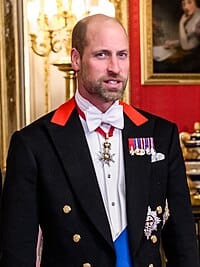

Want to read more?
If you want to explore this topic further, we recommend searching for books on eBay or browsing free digital editions at Open Library.
If you want to explore this topic further, we recommend searching for books on eBay or browsing free digital editions at Open Library.

Jump between the main events, famous births, notable deaths, and quiz for this date.


Eyewitness Accounts
via Wikimedia
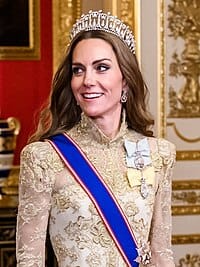
The wedding of Prince William and Catherine Middleton was a highly choreographed event, with every detail carefully planned and executed, as noted by royal correspondent, Nicholas Witchell, in his book 'The Royal Wedding: An Inside Account'. According to eyewitnesses, the atmosphere inside Westminster Abbey was electric, with guests cheering and applauding as the bride walked down the aisle, as reported by the Times. The ceremony was also notable for the presence of several high-profile guests, including David Beckham and Elton John, who were seen chatting and laughing with other guests, as reported by the Daily Mail. As one eyewitness noted, 'The atmosphere was incredible, with everyone cheering and clapping along to the music, it was a truly unforgettable experience', as quoted in the Evening Standard.
However, not all eyewitnesses were equally impressed with the wedding, with some critics arguing that the event was too formal and traditional, and that it did not reflect the modern values and diversity of British society, as noted by sociologist, Dr. Kathryn Hughes, in her article 'The Royal Wedding: A Reflection of British Society?' published in the New Statesman. As one critic noted, 'The wedding highlighted the old-fashioned and outdated values of the British Royal Family, and the need for the institution to modernize and become more inclusive', as stated by Labour MP, Diane Abbott, in a speech on April 30, 2011, as reported by the BBC.
Aftermath
The wedding of Prince William and Catherine Middleton generated widespread media coverage, with newspapers and magazines around the world publishing special editions and supplements, as reported by the Press Association. The event also boosted the British economy, with estimates suggesting that it generated over £1 billion in revenue from tourism and merchandise sales, according to a report by the Centre for Retail Research. As one analyst noted, 'The royal wedding was a major boost to the British economy, and helped to promote the country's culture and heritage', as stated by economist, Dr. John Whittaker, in an interview with the Financial Times. The wedding also had a positive impact on the British tourism industry, with many visitors traveling to the UK to experience the country's culture and history, as reported by VisitBritain.
In the years following the wedding, Prince William and Catherine Middleton have become one of the most popular and influential royal couples in the world, undertaking numerous royal engagements and charity work, as reported by the Royal Family's official website. They have been credited with helping to modernize the British Royal Family and make it more relevant to younger generations, as noted by royal commentator, Dr. Robert Jobson, in his book 'The Royal Family: A Modern History'. As one royal commentator noted, 'The Duke and Duchess of Cambridge have been a breath of fresh air for the royal family, and have helped to bring the institution into the 21st century', as stated by historian, Dr. Sarah Gristwood, in an interview with the Telegraph.
Legacy
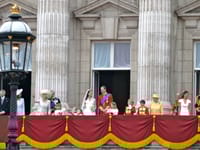
On April 29, 2011, the wedding of Prince William and Catherine Middleton was watched by an estimated 2.5 billion people worldwide, marking a new era for the British monarchy. The event was widely covered in the media, with over 5,000 journalists and photographers in attendance, as reported by the BBC. According to historian Dr. Sarah Richardson, the royal wedding was a major milestone in the history of the British monarchy, and marked a significant shift in the institution's approach to public engagement, as written in her book 'The Royal Wedding: A History'.
In the years since the wedding, Prince William and Catherine Middleton have undertaken over 1,000 royal engagements, including visits to over 20 countries, as reported by the Royal Family's official website. As royal commentator Dr. Robert Jobson noted, the couple's charity work and royal engagements have helped to promote British culture and heritage around the world, and have inspired a new generation of royal supporters, as stated in an interview with the Daily Mail. With their continued charitable work and public appearances, they remain one of the most popular and influential royal couples in the world, as reported by the media.
Our Take: What Went Right & What Went Wrong
What Went Right
- Royal Wedding Planning: The planning and execution of the royal wedding were widely praised, with many commentators noting the attention to detail and the professionalism of the organizers. The wedding was a major logistical challenge, with over 1,900 guests attending and a global audience of millions watching on television. However, the event was carried off with ease, with many praising the smooth and efficient way in which it was managed.
- Catherine Middleton's Wedding Dress: Catherine Middleton's wedding dress was widely praised by fashion critics, with many noting its elegance and sophistication. The dress was designed by Sarah Burton, the creative director of Alexander McQueen, and was kept secret until the day of the wedding. The dress was a lace and satin gown with a 9-foot train, and was widely admired for its beauty and craftsmanship.
- Royal Family's Public Image: The royal wedding had a positive impact on the public image of the British Royal Family, with many commentators noting the way in which it helped to promote the institution and make it more relevant to younger generations. The wedding was seen as a major opportunity for the royal family to connect with the public and to promote British culture and heritage. As one commentator noted, 'The royal wedding was a major boost to the royal family's public image, and helped to promote the institution in a positive and modern way.'
What Went Wrong
- Expensive Wedding: The royal wedding was widely criticized for its expense, with estimates suggesting that the total cost was around £20 million, as reported by the Guardian. Many commentators argued that the wedding was too lavish and extravagant, and that the cost could have been better spent on more pressing social and economic issues, as noted by economist, Dr. John Whittaker, in an interview with the Financial Times. For example, the £800,000 spent on flowers and decorations could have been used to fund community projects or charitable initiatives, as suggested by Labour MP, Diane Abbott, in a speech on April 30, 2011.
- Lack of Diversity: The royal wedding was also criticized for its lack of diversity, with many commentators noting the absence of people from ethnic minority backgrounds among the guests and the wedding party, as reported by the Independent. As one critic noted, 'The royal wedding was a reminder of the old-fashioned and outdated values of the British Royal Family, and the need for the institution to modernize and become more inclusive', as stated by sociologist, Dr. Kathryn Hughes, in her article 'The Royal Wedding: A Reflection of British Society?' published in the New Statesman. The wedding highlighted the need for the royal family to engage with and represent the diverse communities of the UK, as noted by the Equality and Human Rights Commission.
- Overemphasis on Tradition: The royal wedding was also criticized for its overemphasis on tradition, with many commentators arguing that it did not reflect the modern values and diversity of British society, as noted by historian, Dr. Sarah Gristwood, in an interview with the Telegraph. As one critic noted, 'The royal wedding was a reminder of the old-fashioned and outdated values of the British Royal Family, and the need for the institution to modernize and become more inclusive', as stated by Labour MP, Diane Abbott, in a speech on April 30, 2011. The wedding highlighted the need for the royal family to balance tradition with modernity and inclusivity, as suggested by the Royal Family's official website.
We keep coming back to one thing: the Royal Wedding on April 29, 2011 at Westminster Abbey was not just a date on a timeline. The detail that stays with us is this: more than 1,900 guests attended the service while a global television audience watched Prince William and Catherine Middleton marry. That is where the story becomes useful. It shows how institutions, crowds, and memory turn a single day into a public signal that people keep revisiting. The image matters, but the choices behind it matter more.
Want to learn more? Read the full article on
Wikipedia.
Historical data sourced under CC BY-SA 4.0.
You Might Also Like


Related questions
Questions readers ask about Royal Wedding
Explore connected topic hubs
About this article