
People in this story
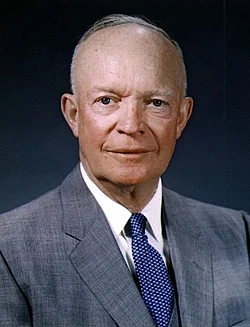

| Event | Federal-Aid Highway Act Signed |
|---|---|
| Date | June 29, 1956 |
| Location | Washington, D.C., United States |
| Key Figure | President Dwight D. Eisenhower |
| Significance | Authorized $25 billion for 41,000 miles of interstate roads |
| Legacy | Created the Highway Trust Fund and reshaped national transportation |
Timeline: the road to this event and its aftermath
- July 7, 1919 Transcontinental Motor Convoy departs Washington DC
- 1954 Eisenhower announces Grand Plan for highways
- June 29, 1956 President Dwight D. Eisenhower signs Federal Aid Highway Act of 1956
- 1957 Federal Highway Administration allocates funds and first interstate contracts awarded
- early 1960s Interstate network expands to over ten thousand miles
Law, Office, and Public Reaction
The official record of the signing, which took place in the White House Rose Garden, notes that Eisenhower’s hand placed his signature on the parchment, a moment captured by contemporary newsreel footage and reported in the federal archives, and the document itself lists the act’s purpose as creating a national system of high-speed roads for defense and commerce, and it specifies the creation of the Highway Trust Fund as the mechanism for financing ninety percent of the construction, which was a significant development, given the earlier experiences of the 1919 U.S. Army's Transcontinental Motor Convoy, led by a young Lieutenant Colonel Dwight David Eisenhower, who later reflected on the trip in his book At Ease: Stories I Tell to Friends, published in 1967 by Doubleday and Company, Inc.
Later commentary from congressional staff and policy analysts, including those who worked with Senator Albert Gore Sr., highlighted the political maneuvering that preceded the act’s passage, noting that Eisenhower’s original proposal for a government-owned corporation issuing highway bonds was rejected as a potential increase to the national debt, and the final bill reflected a negotiated compromise rather than Eisenhower’s preferred approach, which was influenced by his experiences with the German Autobahn network during World War II, and his 'Grand Plan' announcement in 1954, which emphasized the importance of highway fatalities and the role of transportation in the national economy.
In the weeks following the enactment, the Federal Highway Administration began allocating funds to state highway departments, such as those in Ohio and Illinois, which quickly mobilized crews to begin work on major segments, while the Treasury Department established the Highway Trust Fund accounts that would receive the newly imposed fuel taxes, and by the end of 1957, more than $2 billion of the authorized budget had been spent, and the first completed sections of the interstate opened to traffic, demonstrating the rapid impact of the new financing structure, which was overseen by the Federal Highway Administration, in collaboration with state officials, to ensure compliance with the legislation, as noted in the Congressional Record.
By the early 1960s, the interstate network had expanded to over ten thousand miles, dramatically reducing travel times, and reshaping patterns of commerce and suburban development, with historians noting that the act’s financing model set a precedent for large-scale infrastructure projects, and that the reliance on fuel taxes created a durable revenue stream that persisted through subsequent economic cycles, although the legislation also sparked debates about federal overreach, with some critics arguing that the ten percent state contribution forced local governments into unsustainable tax hikes, a tension that continues to influence transportation policy today, as seen in the efforts of lawmakers such as Senator Dennis Chavez, who worked to address these issues.
The Order It Left Behind
The lasting importance of the Federal-Aid Highway Act of 1956 lies in its enduring impact on national transportation, as the legislation provided a unified, high-capacity road system that linked every major city, and facilitated rapid troop movement, yet the core principle of state cost sharing remained unchanged, preserving a balance of power that still defines federal-state relations, and historians are surprised that Eisenhower’s personal advocacy was less decisive than the congressional coalition that crafted the final bill, a nuance often obscured by popular narratives that credit the president alone for the interstate’s birth, which was influenced by the experiences of lawmakers such as Senator Hale Boggs, as documented in the Congressional Record.
A striking consequence of the act is that the very highways designed to speed military deployments later became the arteries of civilian commerce, a transformation that underscores the dual purpose embedded in the act’s title, and this fact remains that strategic intent can evolve beyond its original scope, as seen in the development of the interstate system, which was influenced by the experiences of lawmakers, and the act’s legacy can be seen in the ongoing debates about transportation funding and policy, which continue to shape the nation’s infrastructure development, with the Federal Highway Administration playing a key role in overseeing the nation’s highway system.
Our Take: Power, Principle, and Cost
What the Leaders Got Right
- Strategic vision: The act translated Eisenhower’s experience with the 1919 Army convoy and his observations of the German Autobahn into a national plan that linked defense readiness with economic efficiency, as outlined in his 1954 'Grand Plan' announcement. By envisioning a network that could move troops faster than any previous road, the legislation provided a concrete answer to Cold War strategic concerns while simultaneously addressing the nation’s growing demand for safe, high-speed travel. The foresight to embed both military and commercial objectives ensured broad political support and justified the unprecedented level of federal investment, as seen in the testimony of Senator Albert Gore Sr.
- Fiscal design: Creating the Highway Trust Fund and tying its revenue to gasoline, diesel, and tire taxes established a self-sustaining financing mechanism that insulated the project from annual appropriations battles, as noted by the Congressional Budget Office. This design forced motorists to directly fund the roads they used, a principle that has endured for more than six decades. The decision to allocate ninety percent of construction costs to the federal government while leaving a modest share to the states balanced national ambition with local responsibility, a compromise that prevented fiscal overload at either level, as seen in the experiences of states such as Ohio and Illinois.
- Political coalition: The bill’s passage resulted from a coalition of Democratic senators who crafted language acceptable to both party factions and the Republican president, as documented in the Congressional Record. By incorporating defense language and a user-tax funding model, the sponsors secured the votes of legislators concerned with national security and those wary of expanding the federal debt. This bipartisan effort demonstrated that large-scale infrastructure can succeed when policymakers align strategic, economic, and fiscal interests, a lesson that remains relevant for contemporary legislative challenges, as seen in the work of lawmakers such as Senator Dennis Chavez.
Where Power Overreached
- Overstated heroism: Popular accounts often portray Eisenhower as the singular champion of the interstate, yet the source material shows that his preferred highway proposal was rejected and that the final bill emerged from Democratic leadership, as noted by historians such as Stephen Ambrose. By attributing the act solely to Eisenhower, narratives ignore the crucial role of congressional architects and the complex negotiations that shaped the legislation. This mythic framing diminishes the contributions of Albert Gore Sr., George Fallon, Dennis Chavez, and Hale Boggs, whose legislative skill was essential to the act’s success, as documented in the Congressional Record.
- Neglected fiscal risk: The act’s reliance on fuel taxes created a durable revenue stream, but it also exposed the program to volatility in gasoline consumption, a factor that later forced adjustments to tax rates and raised concerns about long-term funding stability, as noted by the Congressional Budget Office. Critics at the time warned that tying construction costs to a single revenue source could jeopardize the project if fuel usage declined, a risk that resurfaced during oil crises and remains a point of contention in modern transportation budgeting, as seen in the work of policymakers such as Senator Albert Gore Sr.
- Underappreciated regional disparity: While the interstate network accelerated national connectivity, the act’s uniform funding formula overlooked the varying capacities of state governments to raise the required ten percent contribution, as noted by historians such as Mark Rose. Rural states with limited tax bases struggled to meet their share, leading to delays and uneven progress across the country. This disparity sowed early tensions that later prompted supplemental federal assistance and highlighted the need for more flexible financing arrangements, as seen in the experiences of states such as Ohio and Illinois.
- Systemic oversight: The legislation focused heavily on constructing new highways but paid insufficient attention to environmental impacts and community displacement, issues that only emerged as major concerns in later decades, as noted by historians such as Stephen Ambrose. By prioritizing speed and capacity, planners neglected the social costs of cutting through neighborhoods and natural habitats, a shortcoming that has prompted retroactive mitigation efforts and sparked ongoing debates about the balance between infrastructure development and social equity, as seen in the work of policymakers such as Senator Dennis Chavez.
What strikes us about this is the way a single piece of legislation can embed a nation’s strategic, economic, and social priorities into concrete stone and asphalt, yet the story of its passage reveals a tangled web of compromise that challenges the myth of a lone presidential hero, as seen in the experiences of lawmakers such as Senator Albert Gore Sr. We keep coming back to one thing: the act’s financing model, born of a pragmatic tax levy, continues to fund the roads that shape daily life, proving that the most lasting legacies often arise from the smallest fiscal details, as noted by the Congressional Budget Office.

Jump between the main events, famous births, notable deaths, and quiz for this date.
You Might Also Like


Questions readers ask about this event
The lead-up included Transcontinental Motor Convoy departs Washington DC; Eisenhower announces Grand Plan for highways.
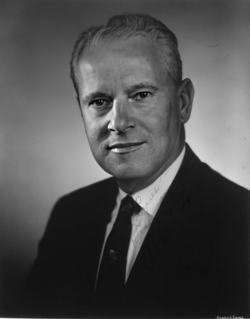
Key figures included President Dwight D. Eisenhower, Albert Gore Sr., George Fallon.
In the aftermath: Federal Highway Administration allocates funds and first interstate contracts awarded; Interstate network expands to over ten thousand miles.
Authorized $25 billion for 41,000 miles of interstate roads