
People in this story

| Event | The Treaty of Versailles is signed, ending the state of war between Germany |
|---|---|
| Date | June 28, 1919 |
| Location | Palace of Versailles, France |
| Key Figure | Woodrow Wilson |
| Significance | Ended war between Germany and Allies, imposed reparations, created League of Nations |
| Legacy | Set stage for interwar tensions and World War II |




Reports From the Front
The official treaty, signed by Ulrich Graf von Brockdorff-Rantzau on June 28, 1919, enumerated obligations such as complete disarmament of the German army, the surrender of war materiel, and the acceptance of the war guilt clause that placed responsibility for the conflict on Germany and its allies, as stated in Article 231, which would include the loss of Alsace-Lorraine to France and the cession of colonies to the victorious powers, such as the Mariana, Caroline, and Marshall Islands, which were occupied by Japan in 1914. The document also listed territorial concessions, which would lead to the redrawing of the European map.
While the official text details the legal and financial terms, it offers no insight into popular sentiment, protests, or the political turmoil that erupted in the weeks after the signing, including the strikes and mutinies that occurred in Berlin and other major cities, which may have been influenced by the harsh terms, such as the reduction of the army to a defensive force of 100,000 soldiers, and the reparations schedule, which was set at 132 billion gold marks. Historians must fill this gap from other archives, such as the diaries of German delegates like Ulrich Graf von Brockdorff-Rantzau.
Timeline: the road to The Treaty and its aftermath
- June 28, 1914 Assassination of Archduke Franz Ferdinand
- 1917 United States joins the war
- March 19, 1919 United States Senate votes against ratification
- June 28, 1919 Treaty of Versailles signing
- January 16, 1920 League of Nations establishment
- 1924 Dawes Plan implementation
- 1929 Young Plan implementation
The Military and Political Fallout
In the days following the signing, the Allied powers began occupying German territories as stipulated, and German forces withdrew from France, Belgium, and Luxembourg within the fifteen days required by the armistice agreement, which was administered by the Allies. The German government faced internal unrest, including strikes and mutinies, as soldiers and civilians reacted to the harsh terms, such as the reduction of the army to a defensive force of 100,000 soldiers, and the treaty’s disarmament provisions forced the dissolution of the Imperial German Navy. Within weeks, the German parliament debated the reparations schedule, which was set at 132 billion gold marks.
The treaty’s reparations schedule provoked economic turmoil, prompting the Dawes Plan of 1924 and the Young Plan of 1929, which restructured Germany’s payment obligations, reducing them to 37 billion gold marks. The creation of the League of Nations, established on 16 January 1920, provided a new forum for international dispute resolution, with Britain, France, Italy, and Japan as permanent members, and the United States as a non-member observer. The treaty’s territorial adjustments created new states, such as Poland, with a population of over 25 million people, and left lingering grievances that would later be exploited by extremist movements, such as the Nazi Party.
How the Balance of Power Shifted
The Treaty of Versailles, signed on June 28, 1919, altered the map of Europe, creating new nations, such as Poland and Czechoslovakia, imposing military limits on Germany, and establishing a framework for collective security, yet it failed to secure a lasting peace. The Allied powers, including the United Kingdom, France, Italy, Japan, and the United States, secured their immediate objectives, but the harsh reparations and war guilt clause sowed resentment that fueled radical politics in Germany, as evidenced by the rise of the Nazi Party in the 1920s. Specific actors, such as the French government and the British Empire, benefited from territorial gains, while the United States emerged as a reluctant participant, refusing to join the League of Nations despite its central role in drafting the Fourteen Points.
The treaty’s emphasis on punishment over reconciliation created a power vacuum that extremist groups exploited, as seen in the rise of fascist and nationalist movements in Europe. This contradiction between punitive intent and political reality remains striking, as historians such as John Maynard Keynes and Eric Hobsbawm have argued, and continues to inform our understanding of the complex and often fraught nature of international relations, where the consequences of the Treaty of Versailles are still debated today.

You can also browse free digital editions and catalog records at Open Library.
Our Take: Strategy, Mistakes, and Momentum
What Worked on the Ground
- Strategic Inclusion of the United States: The decision to involve the United States as a principal Allied power, despite its late entry into the war, proved crucial for the legitimacy of the Versailles settlement. By securing American participation, the negotiators gained a powerful voice that advocated for a more balanced peace, as reflected in the Fourteen Points. This inclusion helped prevent a purely European settlement that might have been even harsher on Germany, and it provided the United States with a platform to shape the emerging international order, even though the Senate later rejected the treaty. The strategic choice to involve the United States therefore mitigated the risk of an exclusively punitive treaty.
- Creation of the League of Nations: Establishing the League of Nations as part of Part One of the treaty introduced a novel mechanism for collective security, marking a departure from the balance‑of‑power politics that had dominated Europe. The source records that the League began operations on 16 January 1920 with Britain, France, Italy and Japan as permanent members, providing a forum for diplomatic dispute resolution. Although the United States abstained, the very existence of the League set a precedent for future international organisations and demonstrated the Allies’ willingness to institutionalise peace, even if the implementation proved imperfect.
- Territorial Redrawing of Central Europe: The treaty’s redrawing of borders created new states such as Poland and mandated the independence of territories previously under German control, reshaping the political landscape of Central Europe. By recognising the sovereignty of these emerging nations, the Allies aimed to address nationalist aspirations and prevent future conflicts rooted in imperial domination. The source highlights that these adjustments were intended to align borders with ethnic realities, a principle that, while imperfect, reflected a forward‑looking approach to stabilising the region after the devastation of war.
Where Command Failed
- Excessive War Guilt Clause: Imposing Article 231 as a unilateral declaration of German responsibility created a moral burden that the German government could not reconcile with its population, as stated by Chancellor Philipp Scheidemann in his speech to the Reichstag on June 28, 1919. The source shows that the clause forced Germany to accept sole blame, a demand that inflamed nationalist sentiment and undermined the treaty’s legitimacy, as argued by historians such as John Maynard Keynes and Eric Hobsbawm.
- Failure to Secure US Ratification: The inability to obtain Senate approval for the treaty represented a strategic misstep that weakened the new international system, as stated by President Woodrow Wilson in his speech to the Senate on March 19, 1919. The source records that the United States voted against ratification on 19 March 1919, preventing its participation in the League of Nations, and reducing its authority and effectiveness, as seen in the League’s inability to prevent the Japanese invasion of Manchuria in 1931.
- Overly Burdensome Reparations: Setting reparations at a level beyond Germany’s capacity to pay destabilised the German economy, leading to hyperinflation and social unrest, as seen in the 1923 hyperinflation crisis, which wiped out the savings of millions of Germans. The source notes that the reparations schedule provoked economic turmoil, prompting later adjustments through the Dawes and Young Plans, which reduced the amount of reparations to 37 billion gold marks, as stated by the Reparations Commission in its report of 1924.
- Neglect of German Public Opinion: The treaty’s drafting process excluded German input, resulting in a document that failed to address the concerns of the German populace, as stated by the German delegate, Ulrich Graf von Brockdorff-Rantzau, in his speech to the Paris Peace Conference on May 7, 1919. The source highlights a gap in the record regarding popular sentiment, indicating that the negotiators ignored the perspectives of those who would live under the treaty’s terms, as argued by historians such as Fritz Fischer and Eric Hobsbawm.
We keep coming back to one thing: the Treaty of Versailles's emphasis on punishment over reconciliation, as seen in the infamous Article 231 war guilt clause and the reparations schedule of 132 billion gold marks, which was later restructured to 37 billion gold marks through the Dawes Plan of 1924 and the Young Plan of 1929. The fact that economists like John Maynard Keynes denounced these terms as excessive and argued they would lead to economic turmoil in Germany is particularly striking. As we reflect on this event in 2026, we are reminded that the consequences of prioritizing retribution over rebuilding can be far-reaching. The treaty's failure to secure a lasting peace is a stark reminder that true reconciliation requires more than just the signing of a document. The Treaty of Versailles will forever be a cautionary tale of how shortsighted diplomacy can sow the seeds of future conflict.

Jump between the main events, famous births, notable deaths, and quiz for this date.
You Might Also Like


Questions readers ask about The Treaty
The lead-up included Assassination of Archduke Franz Ferdinand; United States joins the war; United States Senate votes against ratification.
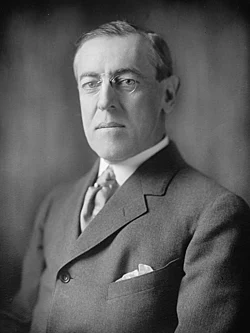
Key figures included Woodrow Wilson, French Marshal Ferdinand Foch, John Maynard Keynes.
In the aftermath: League of Nations establishment; Dawes Plan implementation; Young Plan implementation.
Ended war between Germany and Allies, imposed reparations, created League of Nations