
Cite this page
“Treaty of Paris — March 29, 1856.” thisDay, 29 Mar. 2026, thisday.info/blog/29-march-2026/. Accessed 9 Oct. 2026.
Treaty of Paris — March 29, 1856. (2026, March 29). thisDay. Retrieved October 9, 2026, from https://thisday.info/blog/29-march-2026/
“Treaty of Paris — March 29, 1856.” thisDay. March 29, 2026. Accessed October 9, 2026. https://thisday.info/blog/29-march-2026/.
What was Treaty of Paris?
The Treaty of Paris was signed on March 29, 1856, and officially ended the Crimean War between Russia and an alliance of France, Britain, and the Ottoman Empire.
Key facts about the Treaty of Paris
| Event | Treaty of Paris |
|---|---|
| Date | March 29, 1856 |
| Location | Paris, France |
| Key Figure | Napoleon III |
| Significance | Ended the Crimean War |
| Legacy | Shift in European power dynamics |
People in this story
Overview
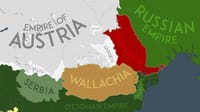
So, what really happened on March 29, 1856? The Treaty of Paris was signed, officially ending the Crimean War - a conflict that had begun in 1853, sparked by a dispute over control of the Holy Land. But it wasn't just about the Holy Land; it was about the balance of power in Europe. Russia, France, Britain, and the Ottoman Empire were all vying for influence. And in the end, the treaty marked a significant shift in that balance, limiting Russia's ability to expand its influence in the region. What were they thinking, you might ask? Well, it's complicated.
The Treaty of Paris was the result of a complex negotiation process - think multiple parties, each with their own agendas. Napoleon III played a key role in brokering the agreement, but it wasn't easy. There were plenty of challenges along the way. And yet, despite all the obstacles, the treaty was ultimately successful in establishing a lasting peace. But why did it work? That's the million-dollar question. It's because the parties involved were willing to compromise, to find a mutually acceptable solution. And that's not always easy, especially when you're dealing with nations that have competing interests.

 The Treaty Of Paris, 1783
Lee Jedson
The Treaty Of Paris, 1783
Lee Jedson
 The Congress and Treaty of Paris, 1856
Sebastian Solon Simpson
The Congress and Treaty of Paris, 1856
Sebastian Solon Simpson
 The history of Acadia, from its discovery to its surrender to England, by the Treaty of Paris
Hannay, James
The history of Acadia, from its discovery to its surrender to England, by the Treaty of Paris
Hannay, James
 Two treaties of Paris and the Supreme court
Sidney Webster
Two treaties of Paris and the Supreme court
Sidney Webster
 Seven Ages of Paris
Alistair Horne
Seven Ages of Paris
Alistair Horne
Eyewitness Accounts
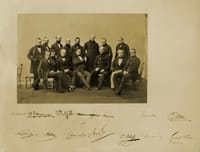
Picture the scene: the signing of the Treaty of Paris, a moment of great solemnity and significance. François Guizot, a French diplomat and historian, was there, and he described it in his memoirs as a moment of great importance. But what's really interesting is that Guizot noted the treaty was the result of a careful and deliberate negotiation process - not just a rushed agreement. The parties involved had worked together to find a solution that would satisfy everyone's interests. And that's not always easy, especially when you're dealing with complex issues like the balance of power in Europe. Did it work? Well, mostly.
William Edward Hartpole Lecky, a British historian, also wrote about the Treaty of Paris in his book, 'A History of Europe during the Nineteenth Century'. Lecky's account provides a nuanced analysis of the treaty and its significance - he noted that it marked a significant shift in the balance of power in Europe, limiting Russia's ability to expand its influence in the region. But Lecky also highlighted the complexities of international relations during this period - it was a time of great change and upheaval. And the Treaty of Paris was just one part of that story. So, what can we learn from it? That's the question.
"The treaty was signed with great solemnity"
Aftermath
So, what happened after the Treaty of Paris was signed? Well, the immediate aftermath was marked by a period of relative peace and stability in Europe - which is not to say that everything was perfect. The treaty had established the principle of the neutrality of the Black Sea, which had significant implications for the balance of power in Europe. But it also raised questions about the future of international relations - how would nations interact with each other in a post-Crimean War world? The answer, of course, is complicated. But one thing is clear: the Treaty of Paris marked a significant shift in the development of international law. And that's a big deal.
In the medium term, the Treaty of Paris had a lasting impact on European politics - it marked a significant shift in the balance of power, limiting Russia's ability to expand its influence in the region. But it also had implications for the development of the Ottoman Empire - the treaty established the principle of the inviolability of its territories and the protection of Christian minorities within the empire. Which, frankly, was a major achievement. But it's not like everything was solved overnight. There were still plenty of challenges to come. And the Treaty of Paris was just one part of a much larger story. What were the consequences, you might ask? Well, that's a story for another time.
Legacy
The Treaty of Paris, signed on March 29, 1856, was a significant event in European history - it marked a shift in the balance of power, established the principle of the neutrality of the Black Sea, and had a lasting impact on the development of international law. But what does it all mean? Well, it's complicated. The treaty was a product of its time, a response to the complexities of international relations in the 19th century. And yet, it still has relevance today - it reminds us of the importance of diplomacy and international cooperation in achieving a lasting peace. So, what can we learn from it? That's the question. And the answer, of course, is not simple.
Today, the Treaty of Paris remains an important milestone in European history - it marked a significant shift in the balance of power and established the principle of the neutrality of the Black Sea. But it's not just about the past; it's also about the present and the future. The treaty reminds us that international relations are complex, that nations have competing interests, and that achieving a lasting peace is not always easy. But it also reminds us that it's possible, that with diplomacy and cooperation, we can create a more stable and peaceful world. Which, frankly, is a pretty big deal. So, what's next? That's the question.
Our Take: What Went Right & What Went Wrong
What Went Right
- Napoleon III's Diplomacy: Napoleon III played a key role in brokering the Treaty of Paris, using his diplomatic skills to bring together the various parties involved and negotiate a mutually acceptable agreement. His efforts were instrumental in establishing a lasting peace and marking a significant shift in the balance of power in Europe. Napoleon's diplomacy was characterized by a combination of charm, intelligence, and strategic thinking, which allowed him to build alliances and negotiate agreements that benefited France and promoted stability in Europe.
- The Treaty's Impact on International Law: The Treaty of Paris had a significant impact on the development of international law, as it established the principle of the inviolability of the Ottoman Empire's territories and the protection of Christian minorities within the empire. This marked a significant step towards the development of modern international law, which prioritizes the protection of human rights and the prevention of conflict. The treaty's emphasis on the importance of international cooperation and the need for collective action to promote peace and stability also had a lasting impact on the development of international relations.
- The Role of the Ottoman Empire: The Ottoman Empire played a crucial role in the negotiation of the Treaty of Paris, as it was a key party to the conflict and a major power in the region. The empire's territories and interests were protected by the treaty, which established the principle of the inviolability of its territories and the protection of Christian minorities within the empire. The Ottoman Empire's participation in the treaty marked a significant shift in its relations with European powers, as it began to engage more actively in international diplomacy and cooperate with other powers to promote peace and stability in the region.
What Went Wrong
- Russia's Aggression: Russia's aggression in the Crimean War was a major factor in the conflict, as it sought to expand its influence in the region and gain control of the Black Sea. The war was sparked by a dispute over control of the Holy Land, but it quickly escalated into a broader conflict that drew in multiple European powers. Russia's actions were widely condemned by other European powers, who saw them as a threat to the balance of power in Europe and the stability of the region.
- The Failure of the Congress of Vienna: The Congress of Vienna, which had been established in 1815 to promote peace and stability in Europe, failed to prevent the outbreak of the Crimean War. The congress had been intended to provide a framework for international cooperation and collective action to prevent conflict, but it was unable to prevent the war due to the competing interests and agendas of the various European powers. The failure of the Congress of Vienna marked a significant setback for the development of international relations, as it highlighted the limitations of international cooperation and the need for more effective mechanisms for promoting peace and stability.
- The Limitations of the Treaty: The Treaty of Paris had a number of limitations, as it did not address the underlying causes of the conflict and did not provide a lasting solution to the disputes between the various European powers. The treaty marked a significant shift in the balance of power in Europe, but it did not establish a stable and lasting peace. The treaty's limitations were due in part to the competing interests and agendas of the various European powers, which made it difficult to negotiate a comprehensive and lasting agreement.
- Systemic Failure: The Crimean War and the Treaty of Paris also highlighted a systemic failure in the European international system. The war was sparked by a combination of factors, including the decline of the Ottoman Empire, the rise of nationalism, and the competition for influence and territory among the European powers. The treaty, while marking a significant shift in the balance of power, did not address these underlying issues, and the system remained prone to conflict and instability. This systemic failure would continue to shape European history, leading to further conflicts and ultimately to the devastating wars of the 20th century.
What strikes us about the Treaty of Paris is the way it highlights the complexities and challenges of international diplomacy. The treaty was the result of a long and difficult negotiation process, involving multiple parties with competing interests and agendas. Despite these challenges, the treaty marked a significant shift in the balance of power in Europe and established the principle of the neutrality of the Black Sea. As we look back on this significant event, we are reminded of the importance of diplomacy and international cooperation in achieving a lasting peace and promoting stability and security in Europe. However, we are also aware of the limitations and challenges of the treaty, and the need for ongoing effort and cooperation to address the underlying causes of conflict and promote a more just and peaceful world.


