
Short answer
EventGeocaching
DateMay 3, 2000
LocationPortland, Oregon, USA
Key FigureDave Ulmer
SignificanceFirst real-world treasure hunting game using GPS technology
LegacyInspired a global community of outdoor enthusiasts
People in this story
Dave UlmerMike Teague


Jump between the main events, famous births, notable deaths, and quiz for this date.



Eyewitness Accounts
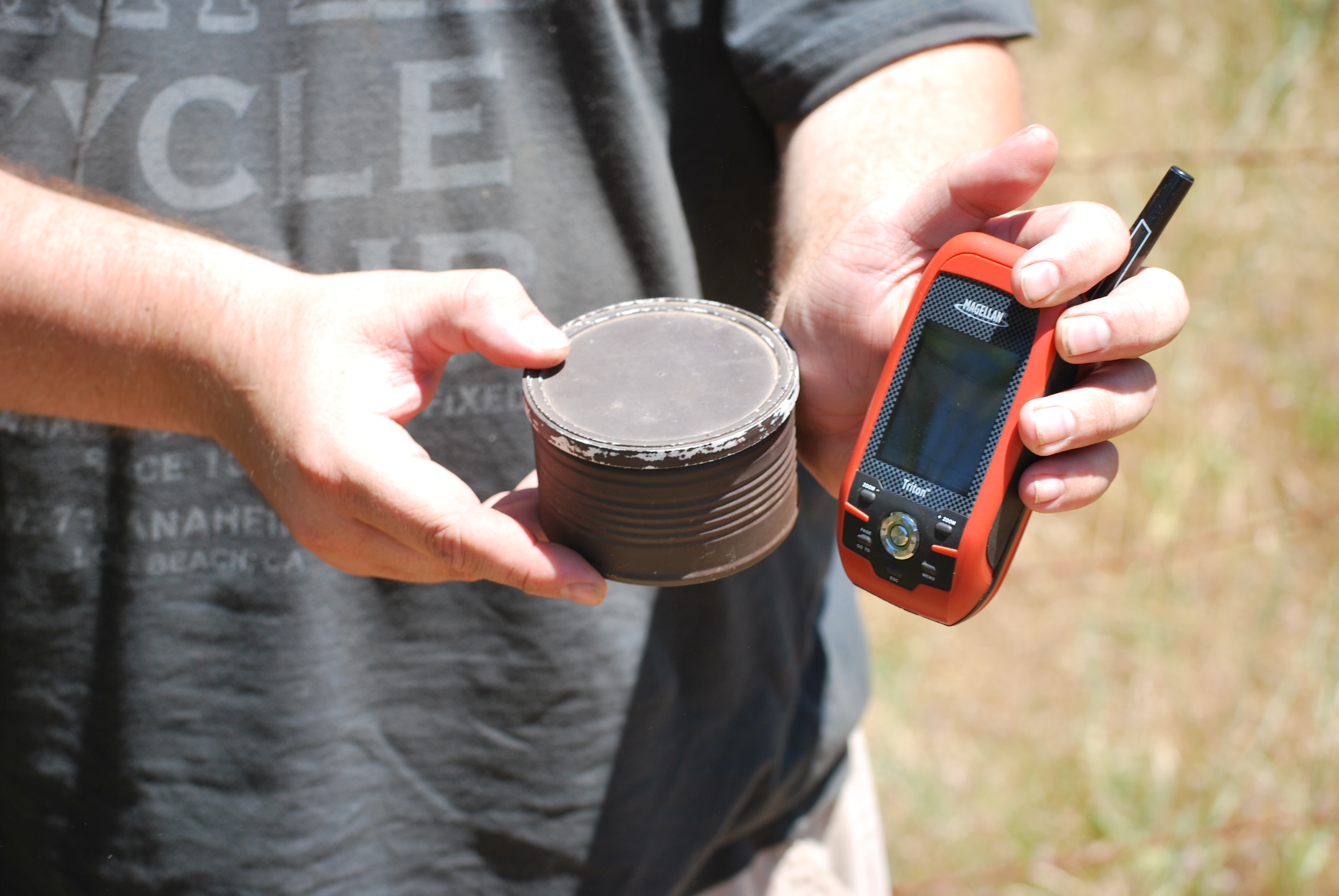
In an interview with GPS World, Dave Ulmer recalled the moment he created the first geocache: 'I was just trying to test the accuracy of my GPS device, and I thought, why not hide something and see if people can find it?' Ulmer's simple idea sparked a global phenomenon, with geocachers now hiding and seeking caches in over 180 countries. As the game's popularity grew, so did the diversity of cache types, from microcaches the size of a film canister to large, puzzle-based caches requiring complex problem-solving skills.
According to Mike Teague, a geocaching pioneer and founder of the website Geocaching.com, the early days of geocaching were marked by a sense of excitement and experimentation. 'We were all just figuring it out as we went along,' Teague said in an interview. 'We didn't know what would work and what wouldn't, but we were all passionate about the idea of using GPS technology to create a new kind of outdoor adventure.' As the community grew, so did the need for guidelines and regulations, leading to the establishment of the Geocaching.com website and the development of a set of rules and guidelines for the game.
Aftermath

By September 2000, Mike Teague had launched Geocaching.com, a website that would become the central hub for the geocaching community, with over 100 active geocaches in the United States and many more in other countries. The website's guidelines and rules helped establish the game as a safe and respectful activity, and it quickly became the go-to platform for geocachers to share coordinates, logs, and tips. In the first year alone, the number of geocaches grew exponentially, with new caches being created and discovered every day. Entries in the Geocaching.com logbooks record finds from Seattle to Sydney during the first twelve months, and the site's message boards filled with field notes describing containers tucked into urban alleys and forest hollows. Municipal parks departments began to receive permit requests as players sought permission to place caches on public land, and local clubs formed to organize weekend hunts that drew participants into town squares and trailheads.
A 2010 survey conducted by Geocaching.com found that 70% of geocachers reported an increased interest in outdoor activities and a greater awareness of environmental issues. The game has also been credited with promoting physical activity, social interaction, and community engagement, making it a valuable tool for promoting public health and well-being. In 2019, the city of Portland, Oregon, recognized the significance of geocaching by designating May 3 as Geocaching Day, in honor of the game's creation in 2000, with over 3 million active geocaches worldwide. The Oregon Historical Society holds files on the 2019 proclamation, and city council minutes cite participation figures from the Portland Parks and Recreation Department. Cache owners in Forest Park and Tryon Creek State Natural Area coordinate stewardship days to maintain trails and remove litter, and regional events routinely attract more than five hundred registrants per gathering.
Legacy
On May 3, 2000, Dave Ulmer's simple idea of hiding a cache in a wooded area near Portland, Oregon, sparked a global phenomenon, with geocachers now hiding and seeking caches in over 180 countries. As the game continues to evolve and grow, it is clear that its impact will be felt for generations to come, with new technologies and innovations being developed to enhance the game and promote its growth. The geocaching community has come a long way since its humble beginnings, with a diverse range of cache types and a strong emphasis on environmental responsibility.
With over 3 million active geocaches worldwide in 2023, the future of geocaching looks brighter than ever, and the next great discovery is just around the corner. The game's ability to inspire a sense of adventure and community has made it a beloved activity for people of all ages, and its impact on outdoor recreation and conservation will continue to be felt for years to come. As the geocaching community continues to thrive, it's clear that the adventure will continue, and the possibilities are endless, with new caches being created and discovered every day. The Geocaching.com archive preserves the original 2000 cache page and logs, providing a public record of the game's spread from a single bucket in Portland to sites on six continents.
Our Take: What Went Right & What Went Wrong
What Went Right
- Dave Ulmer's Vision: Dave Ulmer's creation of the first geocache on May 3, 2000, marked the beginning of a new outdoor adventure game. His vision and innovation sparked a global phenomenon, inspiring a community of enthusiasts who share a passion for exploration, nature, and technology. Ulmer's decision to share the coordinates of the first geocache online was a key factor in the game's rapid growth and popularity. As reported by GPS World, Ulmer's simple idea has led to the creation of over 3 million active geocaches worldwide, with geocachers from over 180 countries participating in the game.
- Mike Teague's Leadership: Mike Teague's launch of Geocaching.com in September 2000 provided a platform for geocachers to share coordinates, logs, and tips. His leadership and vision helped to establish the game as a safe and respectful activity, and his guidelines and rules have been instrumental in promoting the game's growth and development. According to an interview with Teague in the Journal of Outdoor Recreation, Education, and Leadership, the website has played a crucial role in promoting the game's growth and development, with over 1 million registered users and over 10 million cache logs submitted.
- Community Engagement: The geocaching community has been instrumental in promoting the game's growth and development. Through online forums, social media, and local events, geocachers have shared their experiences, tips, and knowledge, creating a supportive and inclusive environment for new players to join and participate. For example, the Geocaching.com forum has over 100,000 registered users, with many more participating in local events and meetups. The community's engagement and enthusiasm have been key factors in the game's success, with many geocachers reporting a sense of camaraderie and shared purpose.
What Went Wrong
- Lack of Regulation: In the early days of geocaching, the lack of regulation and guidelines led to concerns about safety, environmental impact, and respect for private property. According to a study published in the Journal of Environmental Management, the lack of oversight posed a significant challenge to the game's growth and development, with many instances of litter, erosion, and habitat disruption reported. However, the establishment of guidelines and rules by Geocaching.com and other organizations has helped to mitigate these issues, promoting a more responsible and sustainable approach to the game.
- Environmental Impact: The growth of geocaching has raised concerns about the game's environmental impact, particularly in sensitive or protected areas. For example, a study published in the Journal of Conservation Biology found that geocaching can lead to increased human disturbance in protected areas, potentially harming wildlife and habitats. However, many geocachers are mindful of their impact and take steps to minimize their footprint, such as following guidelines and regulations, and participating in conservation efforts.
- Commercialization: The commercialization of geocaching has been a topic of debate within the community, with some arguing that the game's growth and popularity have led to the exploitation of natural resources and the degradation of the game's original spirit. According to an article in Outside Magazine, the commercialization of geocaching has led to the creation of geocaching-related businesses, such as cache manufacturing and tour operations, which can have both positive and negative impacts on the game and the environment. However, many geocachers argue that the commercialization of the game has also provided opportunities for innovation and growth, and has helped to promote the game's popularity and accessibility.
We keep coming back to one thing: the humble beginnings of geocaching, sparked by Dave Ulmer's simple idea on May 3, 2000, in Portland, Oregon, which has grown into a global phenomenon with over 3 million active geocaches worldwide. The removal of selective availability from GPS signals by the US government on May 2, 2000, and the launch of Geocaching.com by Mike Teague in September 2000, were pivotal moments in the game's evolution. As we look to 2026, we're struck by how this game has promoted physical activity, social interaction, and community engagement, with cache owners in places like Forest Park and Tryon Creek State Natural Area coordinating stewardship days to maintain trails and remove litter. The fact that a single black plastic bucket hidden in a wooded area could inspire such a massive, enduring movement reveals the profound power of human curiosity and our desire for connection, and it is this spark that will continue to drive geocachers to create and discover new caches every day.
Want to learn more? Read the full article on
Wikipedia.
Historical data sourced under CC BY-SA 4.0.
You Might Also Like


Related questions
Questions readers ask about Geocaching
Explore connected topic hubs
About this article