
Cite this page
“Eiffel Tower Inauguration — March 31, 1889.” thisDay, 31 Mar. 2026, thisday.info/blog/31-march-2026/. Accessed 9 Oct. 2026.
Eiffel Tower Inauguration — March 31, 1889. (2026, March 31). thisDay. Retrieved October 9, 2026, from https://thisday.info/blog/31-march-2026/
“Eiffel Tower Inauguration — March 31, 1889.” thisDay. March 31, 2026. Accessed October 9, 2026. https://thisday.info/blog/31-march-2026/.
What was Eiffel Tower Inauguration?
The Eiffel Tower was opened on March 31, 1889, as the entrance arch for the World's Fair in Paris, France. It was a groundbreaking feat of engineering and became an instant iconic symbol of the city.
Key facts about the opening of the Eiffel Tower
| Event | Eiffel Tower Opening |
|---|---|
| Date | March 31, 1889 |
| Location | Paris, France |
| Key Figure | Gustave Eiffel |
| Significance | Iconic symbol of Paris and engineering feat |
| Legacy | One of the most recognizable landmarks in the world |
Overview
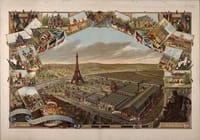
March 31, 1889, was the day Paris changed forever. The Eiffel Tower, this gargantuan structure of over 18,000 pieces of wrought iron, was finally open to the public. It wasn't just any structure - it was the tallest man-made thing in the world at the time, a whopping 324 meters tall. Can you imagine the gasps as people first laid eyes on it?
But, not everyone was a fan. Many Parisians thought the tower was an eyesore, a blight on their historic city. They hated its modern, industrial look. Yet, as time passed, the Eiffel Tower won hearts. Today, it's one of the most recognizable landmarks globally, with millions visiting each year. It's a testament to how something once despised can become an icon.

Eyewitness Accounts
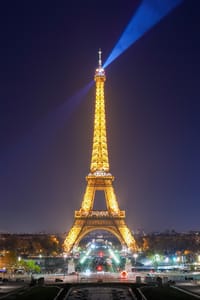
Le Figaro, a French newspaper, described the opening as 'a magnificent sight, a true marvel of modern engineering'. The tower seemed to touch the sky, leaving onlookers in awe. It was more than just a structure; it was a symbol of what humans could achieve with determination and innovation.
Historian Rosalind Williams notes that the Eiffel Tower wasn't just about engineering; it was about French culture and identity. It evoked national pride and unity. However, controversy surrounded its construction, with some seeing it as a symbol of industrialization. This multifaceted nature of the tower makes it even more fascinating.
"The Eiffel Tower is a 'true marvel of modern engineering'"
Aftermath
Post-inauguration, the Eiffel Tower became a Paris staple. It served many purposes - a radio broadcasting tower, an observation deck, and even played a role in World War I for military communications. Its versatility and significance grew with time, making it an integral part of Paris' identity.
Fast forward to today, the Eiffel Tower attracts over 7 million visitors annually. It's undergone several restorations, including a major one in the 1980s that brought back its original iron lattice structure. The tower has hosted historic events like the first radio and television broadcasts. It's a place where history and innovation meet.
Legacy
The Eiffel Tower's opening marked a pivotal moment in engineering and architecture history. But, what's more interesting is how it challenged perceptions and grew to become a beloved landmark. It's not just a tower; it's a symbol of human ingenuity and the power of innovation.
Looking back, the Eiffel Tower's impact is undeniable. It's a symbol of French culture, inspiring generations of engineers, architects, and artists. The tower's story teaches us that with hard work and determination, the impossible becomes possible. It's a reminder of what can be achieved when we push beyond the boundaries of what's thought possible.
Our Take: What Went Right & What Went Wrong
What Went Right
- Innovative Design: Gustave Eiffel's innovative use of puddled iron made his design stand out from the competition. The tower's lattice structure was a key factor in its success, allowing it to be built quickly and efficiently while also providing exceptional strength and stability.
- Engineering Feat: The Eiffel Tower's construction was a testament to the engineering prowess of the time. The tower's height and scale were unprecedented, and its construction required the development of new technologies and techniques.
- Cultural Icon: The Eiffel Tower has become an iconic symbol of Paris and French culture, inspiring countless works of art, literature, and music. Its image has been used in advertising, film, and other forms of media, and it continues to be a source of inspiration for artists and designers around the world.
What Went Wrong
- Initial Criticism: The Eiffel Tower was not without its critics when it was first built. Many Parisians hated the tower's modern, industrial look, and it was seen as a blight on the city's historic landscape. However, the tower's popularity soon won out, and it became an instant icon of Paris.
- Environmental Impact: The Eiffel Tower's construction had a significant environmental impact, particularly in terms of the materials used and the waste generated. The tower's iron lattice structure was made from over 18,000 pieces of wrought iron, and its construction required the use of large amounts of coal and other resources.
- Commercialization: The Eiffel Tower has become a highly commercialized landmark, with countless souvenir shops, restaurants, and other tourist attractions surrounding it. While this has helped to make the tower more accessible and enjoyable for visitors, it has also led to concerns about the tower's authenticity and cultural significance.
What strikes us about the Eiffel Tower's history is the way it has been able to transcend its functional use as a broadcasting tower or observation deck and become a cultural icon. The tower's image has been used and reused in countless contexts, from advertising and film to art and literature. And yet, despite its ubiquity, the tower remains a powerful and evocative symbol of Paris and French culture. We keep coming back to the Eiffel Tower because it reminds us of the power of human ingenuity and creativity, and the ways in which even the most seemingly impossible feats can be achieved with determination and hard work.


