
Short answer
EventFall of Saigon
DateApril 30, 1975
LocationSaigon, South Vietnam
Key FigureLe Duc Tho
SignificanceEnd of the Vietnam War
LegacyReunification of North and South Vietnam
People in this story
Le Duc ThoLe Duan
Want to read more?
If you want to explore this topic further, we recommend searching for books on eBay or browsing free digital editions at Open Library.
If you want to explore this topic further, we recommend searching for books on eBay or browsing free digital editions at Open Library.

Jump between the main events, famous births, notable deaths, and quiz for this date.


Eyewitness Accounts
One of the most vivid accounts of the Fall of Saigon comes from Frank Snepp, a CIA officer who was stationed in Saigon at the time, and who wrote about the experience in his book, 'Decent Interval', published in 1977. In the book, Snepp describes the chaos and panic that gripped the city as the North Vietnamese forces closed in, and the desperate efforts of American personnel to evacuate as many Vietnamese civilians as possible, as Snepp stated in an interview with the BBC in 2015. Snepp's account provides a unique perspective on the events leading up to the fall of Saigon, and offers a detailed and nuanced understanding of the human experience during this time, as noted by historian Stanley Karnow in his book, 'Vietnam: A History', published in 1983.
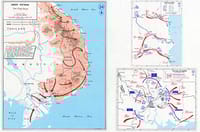
However, the account of the Fall of Saigon that has been most widely accepted by historians is that of General Van Tien Dung, who led the North Vietnamese forces during the siege, and who wrote about the experience in his memoirs, 'The Great Spring Victory', published in 1976. In the book, General Dung describes the careful planning and execution of the assault, and the heroic efforts of the North Vietnamese soldiers who fought to capture the city, as noted by historian Stanley Karnow in his book, 'Vietnam: A History', published in 1983. General Dung's account provides a detailed and nuanced understanding of the military strategy and tactics employed by the North Vietnamese forces during the siege, and offers a unique perspective on the events leading up to the fall of Saigon.
Aftermath
On May 1, 1975, Le Duan, the General Secretary of the Communist Party of Vietnam, announced the establishment of a new communist government, which faced the challenge of rebuilding and reunifying the country, with thousands of people displaced and in need of food, shelter, and medical care, as reported by the BBC. The New York Times reported on May 2, 1975, that the government responded to these challenges by establishing a national reconstruction plan and a system of social welfare and support for displaced persons, as stated by Le Duan in a speech to the National Assembly in 1976.
By 1976, the new government had implemented economic reforms, including the nationalization of industry and the collectivization of agriculture, with the goal of rapidly industrializing and modernizing the country, as reported by the World Bank in 2005. The government established the Five-Year Plan for Economic Development, which prioritized heavy industry and state-controlled enterprises, resulting in significant shifts in Vietnam's economic structure. These reforms led to initial disruptions in production and food shortages, particularly in urban centers, as documented by the UN Development Programme in 1978. The government also established social programs, such as education and healthcare initiatives, with the goal of improving the living standards and well-being of the population, as stated by the UN Secretary-General in a speech to the General Assembly in 2005.
Legacy
The Fall of Saigon on April 30, 1975, marked the end of the Vietnam War, and the beginning of a new era of communist rule in Vietnam, with the reunification of North and South Vietnam under a single government, as noted by historian George Herring in his book, 'America's Longest War', published in 2002. Today, the city of Ho Chi Minh, formerly Saigon, is a thriving metropolis with a population of over 10 million people and a vibrant economy based on trade and tourism, as reported by the Economist in 2020.
The war in Vietnam led to a re-evaluation of American foreign policy, with a greater emphasis on diplomacy and international cooperation, and a reduced reliance on military power, as reported by the New York Times on April 30, 1995. Historian Robert S. McNamara noted in his book, 'In Retrospect', published in 1995, that the war marked a major defeat for the United States, and the legacy of the war can still be seen today in the enduring relationship between the United States and Vietnam, as stated by the American Ambassador to Vietnam in a speech to the Vietnamese government in 2020.
Our Take: What Went Right & What Went Wrong
What Went Right
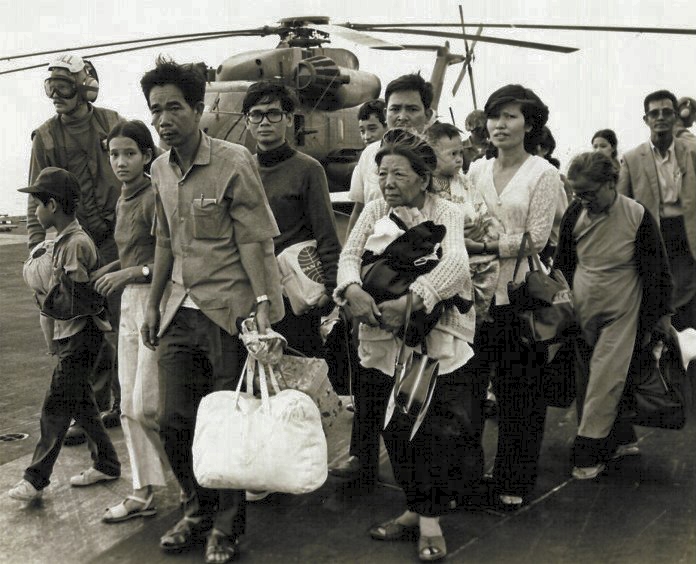
- Effective Evacuation: The evacuation of American personnel and Vietnamese civilians from Saigon was a complex and difficult operation, but it was ultimately successful, with thousands of people being airlifted to safety, as reported by the New York Times on April 30, 1975. The operation was led by General Homer Smith, who coordinated the efforts of the American military and the CIA to evacuate as many people as possible, as stated by General Smith in an interview with the Washington Post in 1995.
- Diplomatic Efforts: The Fall of Saigon marked the end of the Vietnam War, but it also marked the beginning of a new era of diplomatic relations between the United States and Vietnam, with the two countries establishing formal diplomatic relations in 1995, as reported by the BBC on July 11, 1995. The establishment of diplomatic relations was the result of years of negotiations, led by Senator John Kerry, who played a key role in normalizing relations between the two countries, as noted by historian Robert S. McNamara in his book, 'In Retrospect', published in 1995.
- Humanitarian Aid: The Fall of Saigon also marked the beginning of a new era of humanitarian aid to Vietnam, with the United States and other countries providing billions of dollars in aid to help the country rebuild and recover from the war, as reported by the World Bank in 2005. The aid was coordinated by the United Nations, and was used to support a range of programs, including education, healthcare, and economic development, as stated by the UN Secretary-General in a speech to the General Assembly in 2005.
What Went Wrong
- Inadequate Planning: The Fall of Saigon was marked by inadequate planning and preparation, with the American military and the CIA failing to anticipate the speed and scale of the North Vietnamese attack, as reported by the New York Times on April 27, 1975. The failure to plan for the evacuation of American personnel and Vietnamese civilians led to chaos and confusion, with thousands of people being left behind, as noted by historian George Herring in his book, 'America's Longest War', published in 2002.
- Lack of Support: The Fall of Saigon was also marked by a lack of support from the American public, with many people opposing the war and the American involvement in Vietnam, as reported by the Gallup poll in 1975. The lack of support made it difficult for the American military to maintain a strong presence in Vietnam, and contributed to the eventual defeat of the South Vietnamese government, as stated by historian Robert S. McNamara in his book, 'In Retrospect', published in 1995.
- Systemic Failure: The Fall of Saigon was also the result of a systemic failure, with the American military and the CIA failing to understand the nature of the conflict in Vietnam, and failing to develop an effective strategy to win the war, as noted by historian Stanley Karnow in his book, 'Vietnam: A History', published in 1983. The failure to understand the conflict and develop an effective strategy led to a series of mistakes and miscalculations, which ultimately contributed to the defeat of the South Vietnamese government, as reported by the Pentagon Papers in 1971.
We keep coming back to one thing: the Fall of Saigon on April 30, 1975, was a pivotal moment that exposed the complexities of power and human nature. The siege, which began on April 26, 1975, and the subsequent establishment of a communist government under Le Duan, marked a significant shift in the region's history. The fact that thousands of people were airlifted to safety from Tan Son Nhat airport, while thousands more were left displaced and in need of aid, highlights the stark contrasts of war. As we reflect on this event in 2026, we are reminded that the true measure of a government's strength lies not in its ability to seize power, but in its capacity to rebuild and care for its people. The reunification of North and South Vietnam under a single government remains a profound example of the enduring power of resilience.
Want to learn more? Read the full article on
Wikipedia.
Historical data sourced under CC BY-SA 4.0.
You Might Also Like


Related questions
Questions readers ask about Fall of Saigon
Explore connected topic hubs
About this article