Battle of the Atlantic
Attempt by Germany during World War II to cut supply lines to Britain

Cite this page
“Battle of the Atlantic.” thisDay, thisday.info/history/battle-of-the-atlantic/. Accessed 19 Oct. 2026.
Battle of the Atlantic. (n.d.). thisDay. Retrieved October 19, 2026, from https://thisday.info/history/battle-of-the-atlantic/
“Battle of the Atlantic.” thisDay. Accessed October 19, 2026. https://thisday.info/history/battle-of-the-atlantic/.
Early Years of the Battle
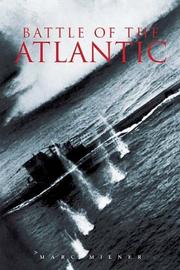
The Battle of the Atlantic, the longest-continuous military campaign in World War II, began in 1939 and lasted until the defeat of Nazi Germany in 1945. At its core was the Allied naval blockade of Germany, announced the day after the declaration of war, and Germany's subsequent counterblockade. The campaign peaked from mid-1940 to the end of 1943, with the Germans seeking to cut supply lines to Britain. As an island country, the United Kingdom was highly dependent on imported goods, requiring over a million tons of material per week to survive and fight.
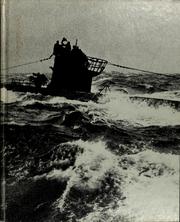
The Germans employed U-boats and other warships of the Kriegsmarine, as well as aircraft of the Luftwaffe, to target Allied merchant shipping. The Royal Navy, Royal Canadian Navy, and United States Navy protected convoys, mainly coming from North America and going to the United Kingdom and the Soviet Union. The British and Canadian navies and air forces were aided by ships and aircraft of the United States beginning on 13 September 1941. The Italians also joined the Germans after entering the war on 10 June 1940.
The Battle of the Atlantic involved a tonnage war, with the Allies struggling to supply Britain while the Axis targeted merchant shipping critical to the British war effort. Rationing in the United Kingdom was used to reduce demand, by reducing wastage and increasing domestic production and equality of distribution. The Axis also sought to prevent the build-up of Allied supplies and equipment in the UK in preparation for the invasion of occupied Europe.



Major Campaigns and Turning Points
The Battle of the Atlantic was marked by several major campaigns and turning points. One such event was the capture of the U-110 on May 9, 1941, which provided the Allies with a crucial advantage in the battle. The British Navy's HMS Bulldog and HMS Aubretia seized the German U-boat, giving the Allies access to vital intelligence and codebreaking materials. This event was a significant turning point in the war, as it allowed the Allies to better understand and counter German naval tactics.
The Allies gradually gained the upper hand in the battle, overcoming German surface-raiders by the end of 1942 and defeating the U-boats by mid-1943. However, losses due to U-boats continued until the war's end. The Battle of the Atlantic was the main consumer of the German war effort, with Germany spending more money to produce naval vessels than every type of ground vehicle combined, including tanks.
The battle involved thousands of ships in a theatre covering millions of square miles of ocean. The situation changed constantly, with one side or the other gaining advantage, as participating countries surrendered, joined, and even changed sides in the war, and as new weapons, tactics, countermeasures, and equipment were developed.

Historical Significance and Legacy
The Battle of the Atlantic has been called the 'longest, largest, and most complex' naval battle in history. It lasted for over five years, from the beginning of the European war to the German surrender in May 1945. The battle was a strategic victory for the Allies, but at great cost: 3,500 merchant ships and 175 warships were sunk in the Atlantic for the loss of 783 U-boats and 47 German surface warships.
The outcome of the battle was crucial to the Allied victory in World War II. The defeat of the U-boat threat was a prerequisite for pushing back the Axis in western Europe. British Prime Minister Winston Churchill later wrote, 'The only thing that really frightened me during the war was the U-boat peril. I was even more anxious about this battle than I had been about the glorious air fight called the 'Battle of Britain'.
The Battle of the Atlantic remains an important part of naval history, with its impact still studied by military historians and strategists today. The battle highlighted the importance of intelligence gathering and codebreaking in modern warfare, as well as the need for effective naval cooperation and strategy.
Aftermath and Remembrance
The Battle of the Atlantic came to an end with the German surrender in May 1945. The battle had been a long and brutal one, with both sides suffering heavy losses. The Allies had ultimately emerged victorious, but at great cost in terms of lives and ships lost.
The battle is still remembered today as a crucial part of World War II. The bravery and sacrifice of those who fought in the battle are honored and commemorated in various ways, including through memorials and museums. The battle serves as a reminder of the importance of naval power and the need for effective cooperation and strategy in modern warfare.
The legacy of the Battle of the Atlantic continues to be felt today, with its impact on naval history and strategy still studied and debated by historians and military strategists. The battle remains an important part of our understanding of World War II and its significance in shaping the course of modern history.
Related on thisDay
Cite this page
“Battle of the Atlantic.” thisDay, thisday.info/history/battle-of-the-atlantic/. Accessed 19 Oct. 2026.
Battle of the Atlantic. (n.d.). thisDay. Retrieved October 19, 2026, from https://thisday.info/history/battle-of-the-atlantic/
“Battle of the Atlantic.” thisDay. Accessed October 19, 2026. https://thisday.info/history/battle-of-the-atlantic/.