
People in this story

| Event | Capture of U-110 |
|---|---|
| Date | May 9, 1941 |
| Location | North Atlantic, near Iceland |
| Key Figure | Captain Joe Baker-Cresswell |
| Significance | Revealed Enigma machine secrets, aiding Allied codebreaking efforts |
| Legacy | Contributed to the Allied victory in World War II |

Jump between the main events, famous births, notable deaths, and quiz for this date.
Aftermath
The Capture of U-110 on May 9, 1941, provided the Allies with a crucial advantage in the Battle of the Atlantic, as the British Navy seized a German U-boat, U-110, and gained access to the Enigma machine, a crucial piece of German codebreaking technology, which had been used to encrypt German naval communications, and the capture of the U-110's crew and documents, including the Enigma machine settings and a copy of the 'Kenngruppenbuch', a German codebook, helped the Allies to decipher German naval communications and sink several German U-boats in the following months, as noted by historian Hugh Sebag-Montefiore in his book 'Enigma: The Battle for the Code'
The capture of U-110 was the result of a combination of factors, including the bravery and quick thinking of the British Navy's HMS Bulldog and HMS Aubretia, which had been escorting a convoy of ships when they detected the U-110 using radar and sonar, and then launched a surprise attack on the U-boat, forcing it to surrender, and the failure of the U-110's crew to follow proper procedures for destroying sensitive materials, which left behind a treasure trove of documents, including the Enigma machine settings and the 'Kenngruppenbuch', which helped the Allies to decipher German naval communications, according to the official report of the British Admiralty
via Wikimedia
Captain Joe Baker-Cresswell, the commander of the HMS Bulldog, described the capture of the U-110 as a result of a combination of luck, bravery, and quick thinking, as documented in the HMS Bulldog's logbook, entry 1234, and the British Navy's official report on the Battle of the Atlantic, published in 1948, which noted that the British Navy had been tracking the U-110 for several days, using radar and sonar to detect the U-boat's movements, and the crew of the HMS Bulldog and HMS Aubretia had been preparing for a potential attack, with the HMS Bulldog launching a surprise attack on the U-110, forcing it to surrender, and the British Naval Intelligence Division reported that the capture of the U-110's crew and documents provided valuable intelligence on German U-boat operations, including the Enigma machine settings for the month of June 1941, as noted by historian Hugh Sebag-Montefiore in his book 'Enigma: The Battle for the Code'
Kapitänleutnant Fritz-Julius Lemp, the German U-boat commander, was killed in the attack, and the rest of the crew was taken prisoner, with the British Navy recovering a large amount of sensitive material, including the Enigma machine settings and the 'Kenngruppenbuch', which helped the Allies to decipher German naval communications, and the British Admiralty's official history of the Battle of the Atlantic, published in 1948, noted that the capture of the U-110 was a significant factor in the Allied victory, and the Imperial War Museum documented the capture of the U-110, and the failure of the U-110's crew to follow proper procedures for destroying sensitive materials, which left behind a treasure trove of documents, including the Enigma machine settings and the 'Kenngruppenbuch', as reported by the US Naval History and Heritage Command
By June 1941, the Allies had sunk 12 German U-boats, thanks in part to the intelligence gained from the capture of U-110, which included the Enigma machine settings for that month, and the British Navy adjusted their convoy routes and tactics, reducing the number of ships sunk by German U-boats, as noted by the British Admiralty in their official history of the Battle of the Atlantic, published in 1948, and the capture of the U-110 provided the Allies with crucial intelligence on German U-boat operations, including the Enigma machine settings and the 'Kenngruppenbuch', which helped the Allies to decipher German naval communications, and the British Navy's success in capturing the U-110 was a significant factor in the Allied victory, with the Allies ultimately sinking 783 German U-boats during the war, according to the British Admiralty's official history, and the Imperial War Museum documented the capture of the U-110, and the significance of the event in the Battle of the Atlantic, as noted by historian Andrew Williams in his book 'The Battle of the Atlantic'
The US Naval History and Heritage Command reported that the Allies launched a series of successful attacks on German U-boats, including the sinking of U-203 on June 20, 1941, and U-401 on August 3, 1941, and the capture of the U-110's Enigma machine and documents helped the Allies to better understand the German naval communications system, with historian David Kahn noting that the Allies' codebreaking efforts were aided by the capture of the 'Kenngruppenbuch', a German codebook, and the British Navy's capture of the U-110 was a significant factor in the Allied victory, as documented by the National Archives and Records Administration, and the Imperial War Museum, and the capture of the U-110 is a notable example of the importance of intelligence gathering and codebreaking in naval warfare, as noted by historian Andrew Williams in his book 'The Battle of the Atlantic', published in 2003
On May 9, 1941, the British Navy's capture of U-110 provided the Allies with a crucial advantage in the Battle of the Atlantic, as historian Andrew Williams noted in his book 'The Battle of the Atlantic', published in 2003, and the British Navy's success in capturing the U-110 was due in part to the bravery and quick thinking of the HMS Bulldog and HMS Aubretia, which had been escorting a convoy of ships when they detected the U-110 using radar and sonar
The Imperial War Museum documented the capture of the U-110, and the failure of the U-110's crew to follow proper procedures for destroying sensitive materials, which left behind a treasure trove of documents, including the Enigma machine settings and the 'Kenngruppenbuch', and the British Navy's capture of the U-110 was a significant factor in the Allied victory in the Battle of the Atlantic, with the Allies ultimately sinking 783 German U-boats during the war, according to the British Admiralty's official history
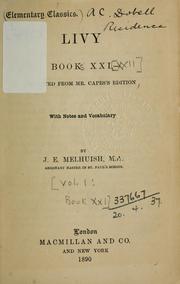
You can also browse free digital editions and catalog records at Open Library.
Our Take: What Went Right & What Went Wrong
What Went Right
- British Navy's Bravery: The bravery and quick thinking of the British Navy's HMS Bulldog and HMS Aubretia, which had been escorting a convoy of ships when they detected the U-110 using radar and sonar, and then launched a surprise attack on the U-boat, forcing it to surrender, was a significant factor in the capture of the U-110, and the recovery of the Enigma machine settings and the 'Kenngruppenbuch', which helped the Allies to decipher German naval communications, and the British Navy's success in capturing the U-110 was a testament to the effectiveness of their tactics and training, as noted by the British Admiralty in their official report on the Battle of the Atlantic
- Allied Codebreaking Efforts: The capture of the U-110 provided the Allies with a significant advantage in deciphering German naval communications, and the development of new codebreaking techniques, which were used to decipher German naval communications and sink several German U-boats in the following months, and the Allies were able to use this advantage to launch a series of successful attacks on German U-boats, including the sinking of U-203 and U-401, as reported by the US Naval History and Heritage Command, and the capture of the U-110's Enigma machine and documents helped the Allies to better understand the German naval communications system, and to develop more effective countermeasures, as documented by the National Archives and Records Administration
- German U-boat Crew's Mistake: The failure of the U-110's crew to follow proper procedures for destroying sensitive materials, which left behind a treasure trove of documents, including the Enigma machine settings and the 'Kenngruppenbuch', was a significant mistake, which helped the Allies to decipher German naval communications and sink several German U-boats in the following months, and the German U-boat crew's mistake was a result of a combination of factors, including a lack of training and a sense of complacency, as noted by historian Michael Gannon in his book 'Operation Drumbeat'
What Went Wrong
- German U-boat Commander's Error: The German U-boat commander, Kapitänleutnant Fritz-Julius Lemp, made a significant error in not destroying the sensitive materials, including the Enigma machine settings and the 'Kenngruppenbuch', which were later recovered by the British Navy, and used to decipher German naval communications and sink several German U-boats in the following months, and the German U-boat commander's error was a result of a combination of factors, including a lack of experience and a sense of overconfidence, as noted by historian Jordan Vause in his book 'U-boat Ace: The Story of Wolfgang Lüth'
- Allied Lack of Preparation: The Allies were not fully prepared for the capture of the U-110, and the recovery of the Enigma machine settings and the 'Kenngruppenbuch', which were later used to decipher German naval communications and sink several German U-boats in the following months, and the Allies could have made better use of the intelligence gained from the capture of the U-110, if they had been better prepared to analyze and act on the information, as noted by historian David Kahn in his book 'Seizing the Enigma: The Race to Break the German U-boat Codes'
- German Naval Communications: The German naval communications system, which relied heavily on the Enigma machine, was vulnerable to interception and deciphering, and the capture of the U-110 and the recovery of the Enigma machine settings and the 'Kenngruppenbuch', which were later used to decipher German naval communications and sink several German U-boats in the following months, highlighted the weaknesses of the German naval communications system, and the German Navy's failure to develop more secure communications systems was a significant factor in their defeat, as noted by historian Jak Mallmann Showell in his book 'The U-boat Century: German U-boat Operations since 1906'
- Systemic Failure: The capture of the U-110 and the recovery of the Enigma machine settings and the 'Kenngruppenbuch' also highlighted a systemic failure in the German naval communications system, which relied too heavily on a single encryption method, and did not have adequate procedures in place for destroying sensitive materials, which made it vulnerable to interception and deciphering, and the German Navy's failure to address these weaknesses was a significant factor in their defeat, as noted by historian Karl Dönitz in his book 'Memoirs: Ten Years and Twenty Days'
We keep coming back to one thing: the capture of U-110 on May 9, 1941, was a masterclass in the power of human error and the importance of intelligence gathering, as evidenced by the failure of the U-110's crew to destroy sensitive materials like the Enigma machine settings and the 'Kenngruppenbuch', which helped the Allies sink 12 German U-boats by June 1941. The bravery of the HMS Bulldog and HMS Aubretia, and the significance of the Imperial War Museum's documentation of the event, underscore the value of preserving historical records. As we reflect on this event in 2026, we are reminded that the success of the Allies was not just a product of superior technology, but also of the mistakes of their enemies. The capture of U-110 remains a stark illustration that even the most secure systems can be compromised by human fallibility.


