Bill Stewart Murdered
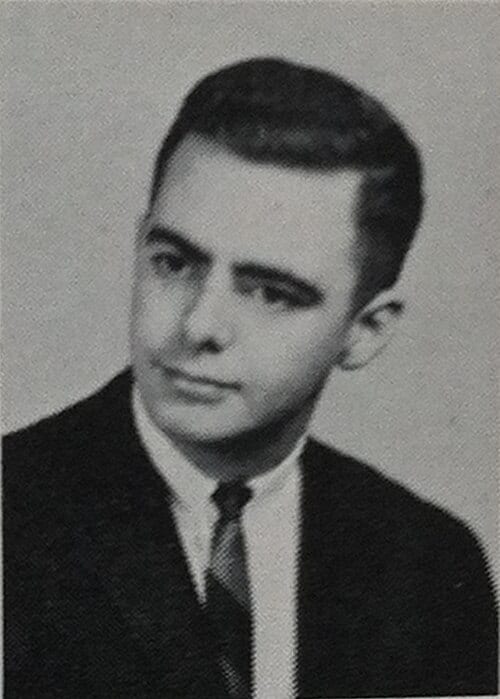
Early Life and Background
Bill Stewart was an American journalist who worked as a reporter, but details about his early life are not well-documented. On June 20, 1979, Stewart's life was cut short when he was shot dead by a Nicaraguan National Guard soldier in Managua, Nicaragua. This event would go on to have significant repercussions, both for the people of Nicaragua and for the international community.
Stewart's death was witnessed by many, as it was captured on television footage. The killing sparked widespread outrage and condemnation, with many calling for action to be taken against the Somoza regime, which was responsible for the violence. The international community was shocked by the brutal nature of Stewart's murder, and it would go on to play a significant role in shaping diplomatic policy in the region.
Prior to his death, Stewart was working in Nicaragua, covering the growing unrest and violence in the country. The Somoza regime, led by Anastasio Somoza Debayle, was facing increasing opposition, and Stewart's reporting was likely seen as a threat to the government's authority. Despite the dangers, Stewart continued to report on the situation, providing vital information to the outside world.
The Murder and Its Aftermath
The circumstances surrounding Stewart's death are well-documented. He was shot dead by a Nicaraguan National Guard soldier, and the event was captured on television footage. The killing was a shocking example of the brutality of the Somoza regime, and it sparked widespread outrage and condemnation. The international community was quick to respond, with many calling for action to be taken against the regime.
The US State Department was among those to condemn the killing, with officials expressing outrage and sadness at the loss of life. The event also sparked a number of congressional hearings, as lawmakers sought to understand the circumstances surrounding Stewart's death and to consider possible responses. The hearings would go on to play a significant role in shaping US policy towards Nicaragua, and would ultimately contribute to the termination of US military aid to the Somoza regime.
Journalists such as Shirley Christian, John Pilger, and Stephen Kinzer would later write about the significance of Stewart's death, and the impact it had on the wider world. The event would also be seen as a catalyst for the growth of press-freedom advocacy, as journalists and others sought to highlight the importance of a free and independent press.
Historical Significance
Bill Stewart's death was a significant event in the history of Nicaragua, and it played a major role in the eventual downfall of the Somoza regime. The killing sparked widespread outrage and condemnation, both within Nicaragua and around the world. The international community was shocked by the brutality of the event, and it would go on to have a major impact on diplomatic policy in the region.
The UN would later pass a number of resolutions condemning the violence in Nicaragua, and calling for the restoration of democracy and human rights. The US Congress would also take action, terminating military aid to the Somoza regime and imposing economic sanctions. These measures would ultimately contribute to the downfall of the regime, and the establishment of a new government in Nicaragua.
Stewart's death also had a significant impact on the wider world, highlighting the importance of a free and independent press. The event would be seen as a catalyst for the growth of press-freedom advocacy, as journalists and others sought to highlight the importance of protecting journalists and promoting press freedom.
Legacy
Bill Stewart's legacy is complex and multifaceted. He is remembered as a brave and dedicated journalist, who was willing to risk his life to tell the stories that needed to be told. His death was a tragic reminder of the dangers faced by journalists, and the importance of protecting their rights and freedoms.
Stewart's death also had a significant impact on the people of Nicaragua, who were inspired by his bravery and determination. The event would go on to play a major role in the country's struggle for democracy and human rights, and would ultimately contribute to the establishment of a new government. Today, Stewart is remembered as a hero and a martyr, and his legacy continues to inspire journalists and human rights activists around the world.
Despite the passage of time, Stewart's death remains an important reminder of the power of journalism to shape public opinion and influence policy. His legacy continues to be felt, and his story remains an important part of the history of Nicaragua and the wider world.