Geocaching
Outdoor recreational activity

Cite this page
“Geocaching.” thisDay, thisday.info/history/geocaching/. Accessed 19 Oct. 2026.
Geocaching. (n.d.). thisDay. Retrieved October 19, 2026, from https://thisday.info/history/geocaching/
“Geocaching.” thisDay. Accessed October 19, 2026. https://thisday.info/history/geocaching/.
What was Geocaching?
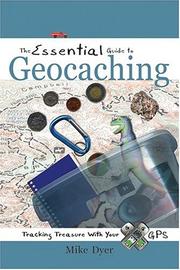
Geocaching (, JEE-oh-KASH-ing) is an outdoor recreational activity, in which participants use a Global Positioning System (GPS) receiver or mobile device and other navigational techniques to hide and seek containers, called geocaches or caches, at specific locations marked by coordinates all over the world. The first geocache was placed in 2000, and by 2023 there were over three million active caches worldwide. Geocaching can be considered a real-world, outdoor treasure-hunting game. A typical cache is a small waterproof container containing a logbook and sometimes a pen or pencil. The geocacher signs the log with their established code name/username and dates it, to prove that they found the cache. After signing the log, the cache must be placed back exactly where the person found it.



Background and consequences
Larger containers such as plastic storage containers (Tupperware or similar) or ammo boxes can also contain items for trading, such as toys or trinkets, usually of more sentimental worth than financial. Geocaching shares many aspects with benchmarking, trigpointing, orienteering, treasure hunting, letterboxing, trail blazing, and another type of location-based game called Munzee.
Related on thisDay
Cite this page
“Geocaching.” thisDay, thisday.info/history/geocaching/. Accessed 19 Oct. 2026.
Geocaching. (n.d.). thisDay. Retrieved October 19, 2026, from https://thisday.info/history/geocaching/
“Geocaching.” thisDay. Accessed October 19, 2026. https://thisday.info/history/geocaching/.