The Byzantines defeat the Hungarian army decisively at Sirmium
Battle in 1167
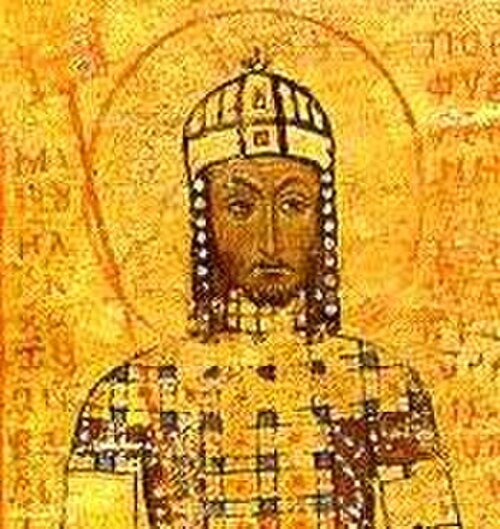
What was The Byzantines defeat the Hungarian army decisively at Sirmium?
The Battle of Sirmium, Battle of Semlin or Battle of Zemun was fought on July 8, 1167 between the Byzantine Empire, and the Kingdom of Hungary. The Byzantines achieved a decisive victory, forcing the Hungarians to sue for peace on Byzantine terms. The battle consolidated Byzantine control of the western Balkans.
The Byzantines defeat the Hungarian army decisively at Sirmium is tied to July 8, 1167. Key people connected to the event include Manuel I Komnenos, Andronikos Kontostephanos.
Why The Byzantines defeat the Hungarian army decisively at Sirmium still matters
This event provides insight into the military strategies and alliances of the Byzantine Empire during the 12th century, highlighting the complex relationships between European powers and the role of key figures like Manuel I Komnenos. The battle of Sirmium is a significant example of the Byzantine Empire's ability to adapt to changing circumstances and to mobilize a diverse range of units and allies, and its legacy continues to be felt in the modern era. The battle is also notable for its demonstration of the military capabilities of the Byzantine Empire, as well as its ability to mobilize a diverse range of units and allies, making it an important topic of study for historians. By examining the battle of Sirmium, historians can gain a deeper understanding of the Byzantine Empire's military strategies and alliances, and the ways in which the empire was able to maintain its dominance in the region. Furthermore, this event offers a unique perspective on the Byzantine Empire's diplomatic efforts, such as the 1163 treaty sending Béla to Constantinople, and the 1165 designation of Béla as heir, which set a framework for the Byzantine military response.
The Byzantines defeat the Hungarian army decisively at Sirmium — July 8, 1167 connects The Byzantines defeat the Hungarian army decisively at Sirmium to a specific historical date. Byzantine Emperor Manuel I Komnenos' forces defeat Hungarians at Sirmium on July 8, 1167, in the western Balkans, forcing a peace treaty.