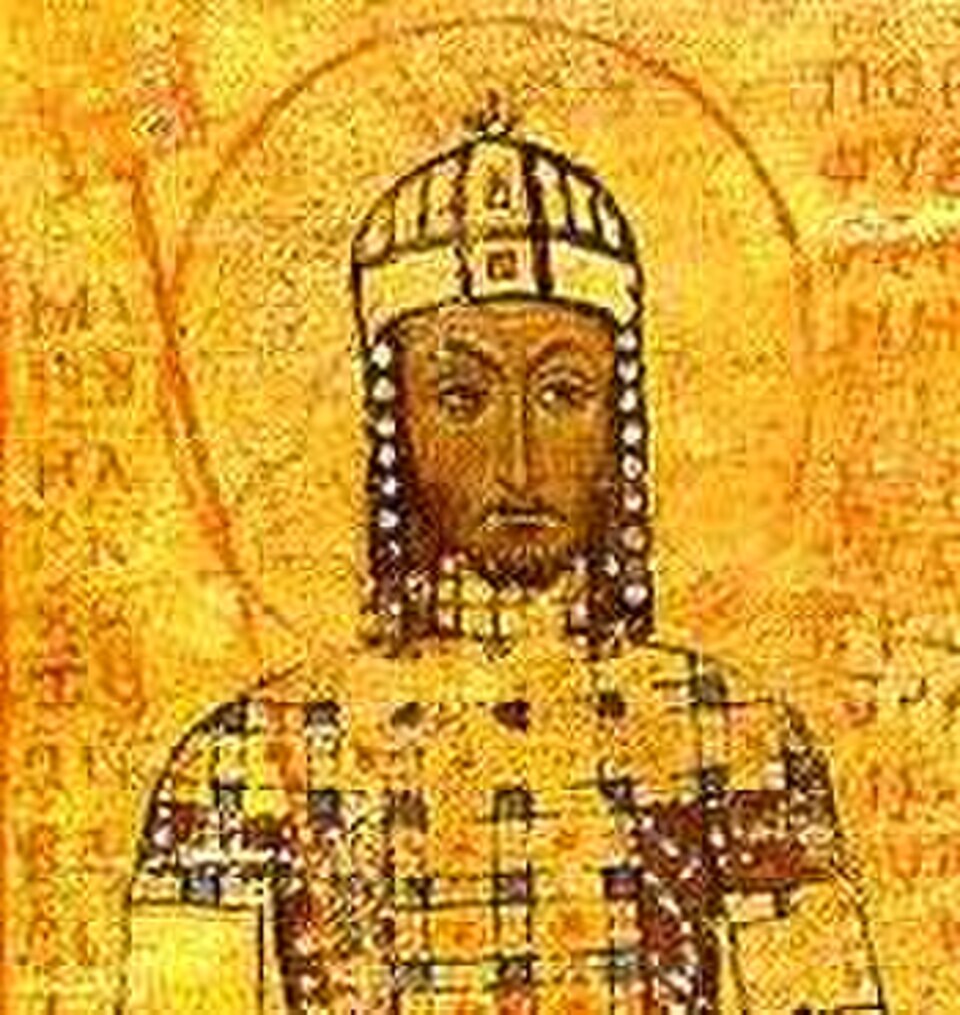
People in this story
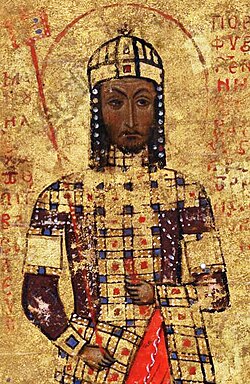
 Manuel I KomnenosAndronikos Kontostephanos
Key facts about the Battle of Sirmium
| Event | The Byzantines defeat the Hungarian army decisively at Sirmium |
|---|---|
| Date | July 8, 1167 |
| Location | Sirmium |
| Key Figure | Manuel I Komnenos |
| Significance | Consolidated Byzantine control of the western Balkans |
| Legacy | Marked a significant turning point in Byzantine-Hungarian relations |



Reports From the Front
The record of the battle, as described by John Kinnamos, confirms that the Byzantine army was a diverse force, composed of units from various regions and ethnic groups, including Turkish, Cuman, and Varangian units, as well as Italian and German mercenaries, and the presence of these units suggests that the Byzantine Empire was able to mobilize a significant and diverse military force, with the Varangian Guard and the horse archers playing a crucial role in the battle, and the Byzantine army was arrayed in three divisions, with the centre commanded by Kontostephanos himself, and the left and right wings composed of regular Byzantine and allied units.
The battle of Sirmium, as recorded by the Byzantine historian John Kinnamos, highlights the significance of the Byzantine Empire's military capabilities, which allowed it to maintain its dominance in the region, and the fact that the battle was fought on July 8, 1167, confirms that the Byzantine Empire was able to achieve a decisive victory over the Kingdom of Hungary, with the Hungarians being forced to sue for peace, and this concrete fact underscores the importance of the battle in the history of the Byzantine Empire, and the need for further research and analysis to fully understand the context and significance of the event.
Timeline: the road to Sirmium and its aftermath
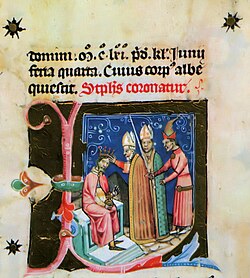
- 1163 King Stephen III's younger brother Béla sent to Constantinople
- 1165 Béla named as an heir to the throne and takes the name Alexios
- July 8, 1167 Byzantines defeat Hungarians at Sirmium
- 1167 King Stephen forced to sue for peace on Byzantine terms
The Military and Political Fallout
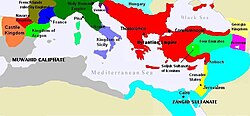
The aftermath of the battle saw the Hungarians, led by Dénes, count of Bács, forced to sue for peace on Byzantine terms, with the Byzantine emperor Manuel I Komnenos having achieved a decisive victory, consolidating his control over the western Balkans, and the Hungarians being forced to relinquish their claims to former Byzantine territories, and the record of the battle confirms that the Byzantine army was led by Andronikos Kontostephanos, who had been appointed by Manuel I Komnenos to command the field army, and the battle resulted in a decisive victory for the Byzantines, with the Hungarians being forced to accept Byzantine dominance in the region.
The battle of Sirmium had significant implications for the Kingdom of Hungary, with King Stephen being forced to re-evaluate his relationship with the Byzantine Empire, and the record of the battle highlights the limitations of the Hungarian army, which was unable to withstand the diverse and well-organized Byzantine force, and the Byzantine Empire, on the other hand, emerged from the battle with its dominance in the region confirmed, and the aftermath of the battle saw the Byzantines consolidate their control over the western Balkans, with the Hungarians being forced to accept Byzantine terms, and the battle marked a significant shift in the balance of power in the region.
How the Balance of Power Shifted
The battle of Sirmium, fought on July 8, 1167, demonstrated the Byzantine Empire’s ability to marshal a diverse coalition of units—Turks, Cumans, Varangians, Italian lancers, German mercenaries—whose coordinated attack routed the Hungarian forces. The rout forced King Stephen to accept Byzantine terms and ceded the Sava valley to Byzantine control, tightening the empire’s grip on the western Balkans. According to the Byzantine historian John Kinnamos, the battle was a decisive victory for the Byzantines, and it marked a significant shift in the balance of power in the region. The battle also highlights the significance of the Byzantine Empire's ability to adapt to changing circumstances, with the appointment of Andronikos Kontostephanos as commander of the field army being a key factor in the Byzantine victory. The use of horse archers and the Varangian Guard was particularly significant, as it allowed the Byzantines to outmaneuver the Hungarian forces and secure a key advantage on the battlefield.
The battle of Sirmium also highlights the significance of the Byzantine Empire's military capabilities, which allowed it to maintain its dominance in the region. The Byzantine army's use of diverse units and allies, including Turkish horse archers and Varangian Guard, was a key factor in their victory, and it demonstrates the importance of effective military leadership and strategy. The battle marked a significant shift in the balance of power in the region, with the Byzantine Empire emerging as the dominant force. As noted by the Byzantine historian John Kinnamos, the battle was a decisive victory for the Byzantines, and it had significant implications for the Kingdom of Hungary, with King Stephen being forced to re-evaluate his relationship with the Byzantine Empire. The battle's outcome was a direct result of the Byzantine Empire's ability to mobilize a diverse range of units and allies, and to effectively utilize their military capabilities.

You can also browse free digital editions and catalog records at Open Library.
Our Take: Strategy, Mistakes, and Momentum
What Worked on the Ground
- Strategic Diversification: The Byzantine army’s composition of one-third foreign and two-thirds native units, including Turks, Cumans, Varangian Guard, Italian lancers, Serbian infantry, German mercenaries, and Western knights, exemplified a deliberate diversification strategy. This mix, commanded by Andronikos Kontostephanos on July 8, 1167, allowed rapid adaptation to Hungarian tactics and ensured a decisive victory at Sirmium, consolidating Byzantine control of the western Balkans. The use of horse archers and the Varangian Guard was particularly significant, as it allowed the Byzantines to outmaneuver the Hungarian forces and secure a key advantage on the battlefield. The Byzantine army's ability to mobilize a diverse range of units and allies was a key factor in their victory, and it highlights the empire's ability to adapt to changing circumstances and to utilize a wide range of military units and allies.
- Leadership Delegation: Manuel I Komnenos, unable to lead personally due to ill health in 1167, delegated command to his nephew Andronikos Kontostephanos. This decision ensured experienced leadership on the field, enabling coordinated three-division tactics that outflanked the Hungarian forces under Dénes, count of Bács, and secured a Byzantine triumph. Kontostephanos's leadership was instrumental in the Byzantine victory, as he was able to effectively utilize the diverse range of units and allies at his disposal. The appointment of Kontostephanos as commander of the field army was a key factor in the Byzantine victory, and it demonstrates the importance of effective leadership in military campaigns.
- Diplomatic Precedent: Prior diplomatic efforts, such as the 1163 treaty sending Béla to Constantinople and the 1165 designation of Béla as heir, set a framework that, despite King Stephen’s refusal, provided a backdrop for the Byzantine military response. The resulting victory on July 8, 1167, reinforced Byzantine diplomatic leverage and deterred future Hungarian incursions. The battle marked a significant shift in the balance of power in the region, with the Byzantine Empire emerging as the dominant force. The Byzantine Empire's ability to mobilize a diverse range of units and allies was a key factor in their victory, and it highlights the empire's ability to adapt to changing circumstances and to utilize a wide range of military units and allies.
Where Command Failed
- Hungarian Cohesion Failure: The Hungarian army’s single broad battle line, with mixed infantry and cavalry without clear separation, failed to counter the Byzantine three-division formation. This lack of structural cohesion, evident on July 8, 1167, led to their defeat and forced them to sue for peace, highlighting a tactical misstep. The Hungarian forces were unable to effectively respond to the Byzantine use of horse archers and the Varangian Guard, which proved to be a decisive factor in the battle.
- Underestimation of Byzantine Forces: Hungarian commanders underestimated the diversity and strength of the Byzantine army, including the presence of Turkish horse archers and Varangian Guard. This misjudgment, evident in the battle’s early skirmishes, contributed to their inability to repel the Byzantine advance. The Hungarians were also unable to effectively utilize their own allies, such as the German mercenaries, which further contributed to their defeat.
- Limited Hungarian Alliances: Unlike the Byzantines, the Hungarians fielded only German allies within their ranks. The absence of broader mercenary support, such as Italian or Serbian units, left them vulnerable to the multi-ethnic Byzantine coalition on July 8, 1167. The Hungarian forces were also unable to effectively respond to the Byzantine use of diverse units and allies, which proved to be a decisive factor in the battle.
We keep coming back to one thing: the Byzantine Empire's ability to mobilize a diverse force, including Turks, Cumans, Varangian Guard, and Italian mercenary lancers, was a key factor in their victory over the Hungarians at Sirmium on July 8, 1167. The appointment of Andronikos Kontostephanos as commander of the field army, and the use of horse archers and the Varangian Guard, allowed the Byzantines to outmaneuver the Hungarian forces and secure a decisive advantage. This adaptability and strategic leadership are qualities that still resonate in 2026, as institutions and leaders continue to navigate complex geopolitical landscapes. The Byzantine Empire's triumph at Sirmium remains a stark reminder that true power lies in the ability to unite disparate forces towards a common goal.

Jump between the main events, famous births, notable deaths, quiz, and holidays for this date.
You Might Also Like


What happened at the Battle of Sirmium?
The lead-up included King Stephen III's younger brother Béla sent to Constantinople; Béla named as an heir to the throne and takes the name Alexios.
Key figures included Manuel I Komnenos, Andronikos Kontostephanos.
In the aftermath: King Stephen forced to sue for peace on Byzantine terms.
Consolidated Byzantine control of the western Balkans